

Clean vs. Legacy Sports Drinks: A 2026 Ingredient and Performance Breakdown
A science-backed guide to how clean sports drinks compare with legacy brands on
ingredients, electrolytes, sugar, and real athletic performance

Legacy sports drinks like Gatorade and Powerade were built for performance, but not for clean labels.
Today's athletes want both.
They want hydration that supports hard practices, long tournament days, and real recovery without loading up on artificial dyes, artificial sweeteners, or ingredient lists that read like a chemistry quiz.
This breakdown compares old-school sideline staples with the new wave of clean hydration, shows where A-GAME fits, and helps athletes, parents, and coaches choose the right bottle for the next practice, game, or workout.
Let's Define What People Mean by "Clean" Sports Drinks in 2026
"Clean" gets thrown around a lot in beverage marketing, and that is exactly why it needs a clear definition.
In 2026, most athletes and parents use the term clean sports drinks to mean a few specific things: no artificial dyes, no artificial sweeteners, and little to no chemical preservatives.
They also tend to look for recognizable ingredients, natural flavors, and sweeteners that feel less processed than the formulas that have dominated coolers and convenience stores for years.
That does not mean every clean drink is identical. Some lean hard into wellness positioning and end up functioning more like enhanced water. Others try to balance clean-label priorities with performance needs like sodium replacement and recovery support.
That distinction matters.
A drink can sound healthy on the front of the bottle, then underdeliver where athletes actually need help. A low-sugar drink with barely any sodium may be fine for casual sipping, but not nearly as useful during two-a-days, tournament weekends, or long sessions in the heat.
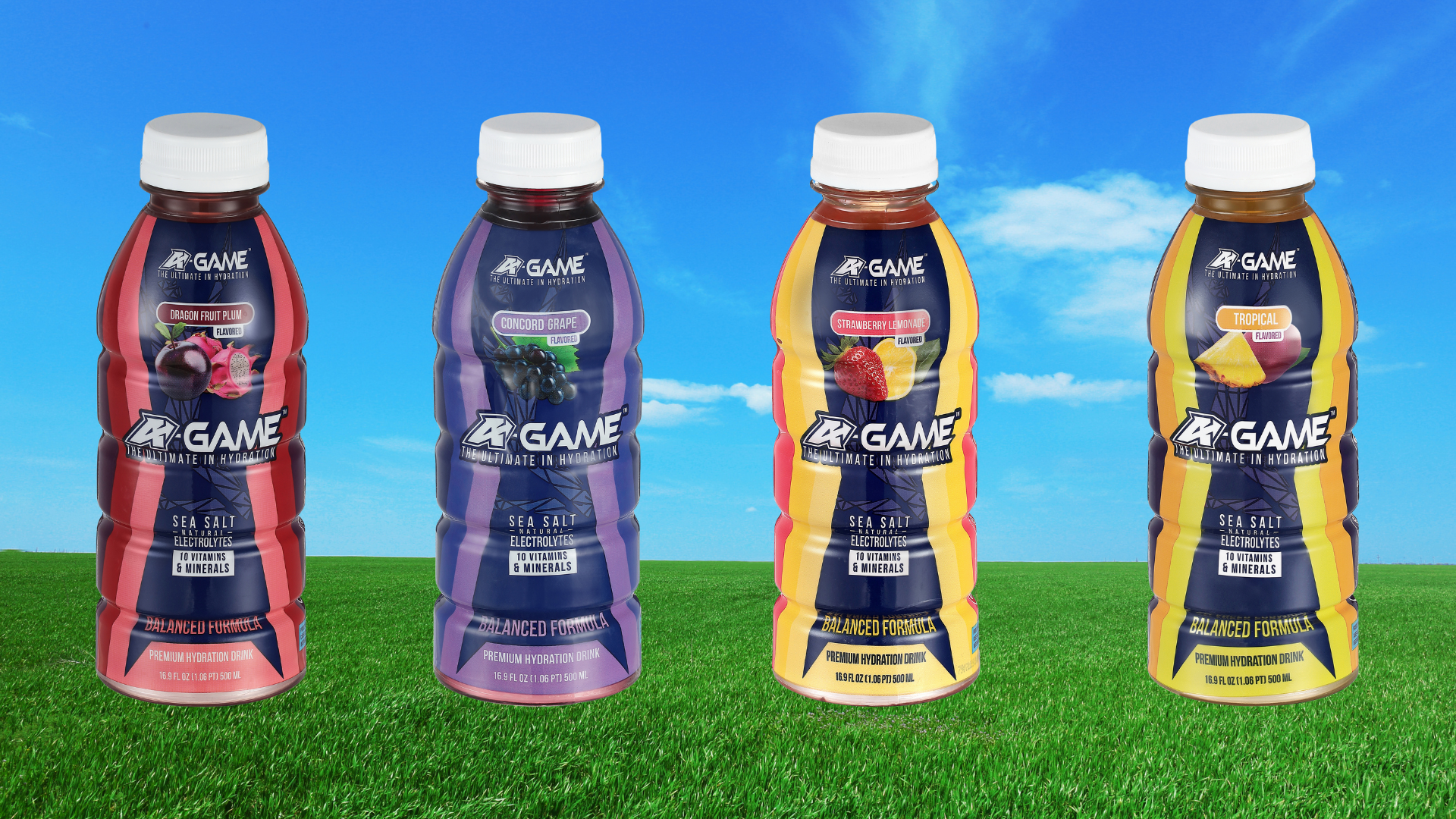
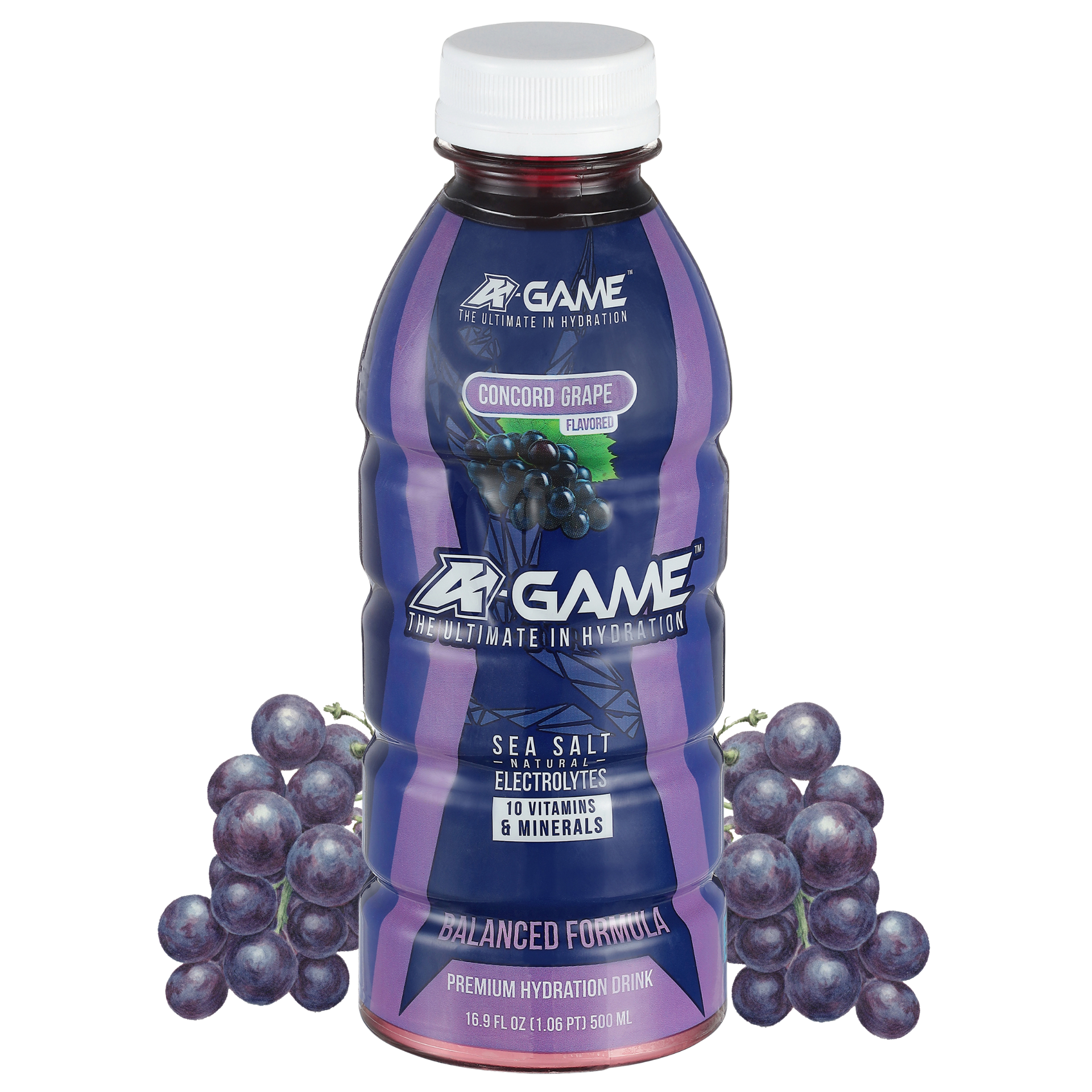
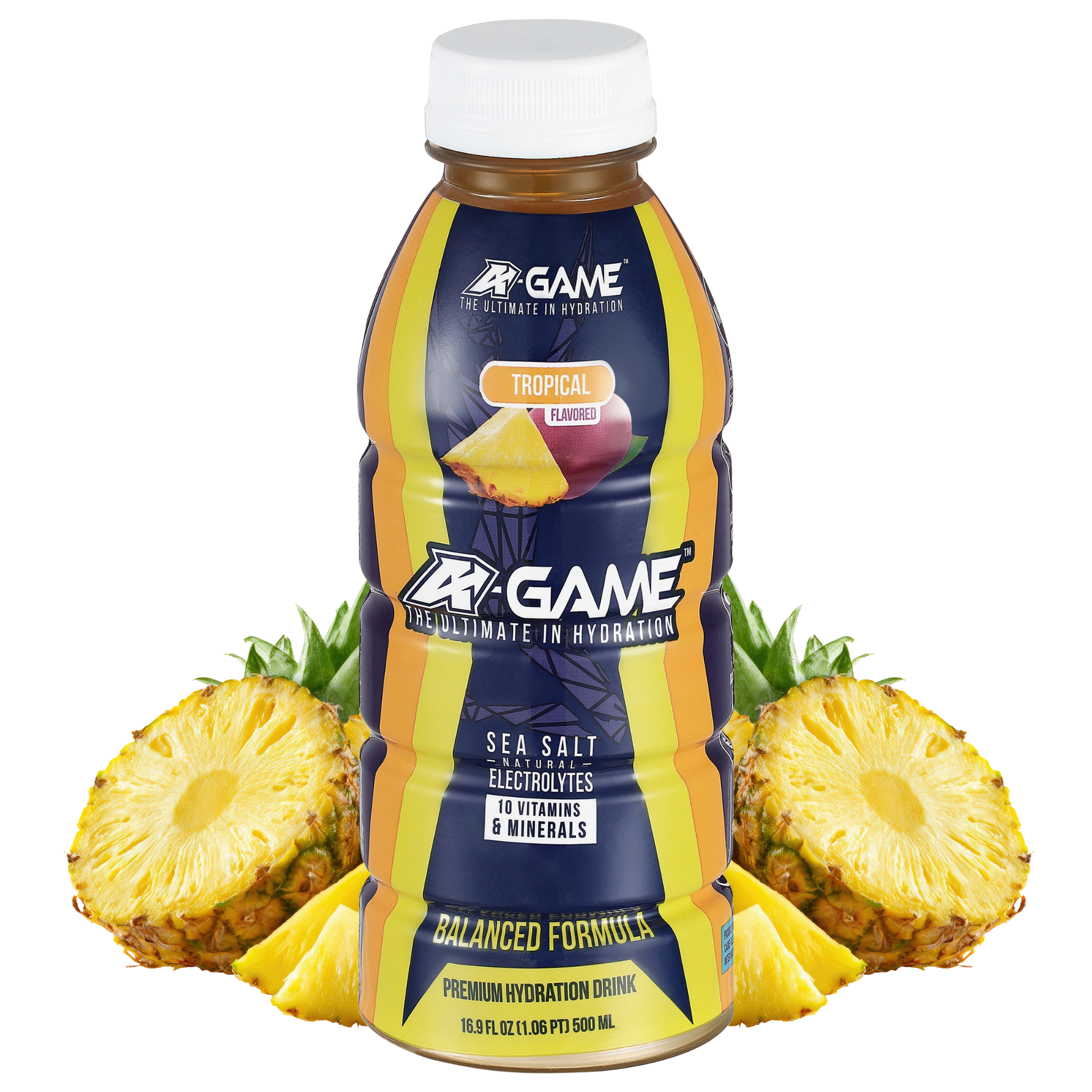
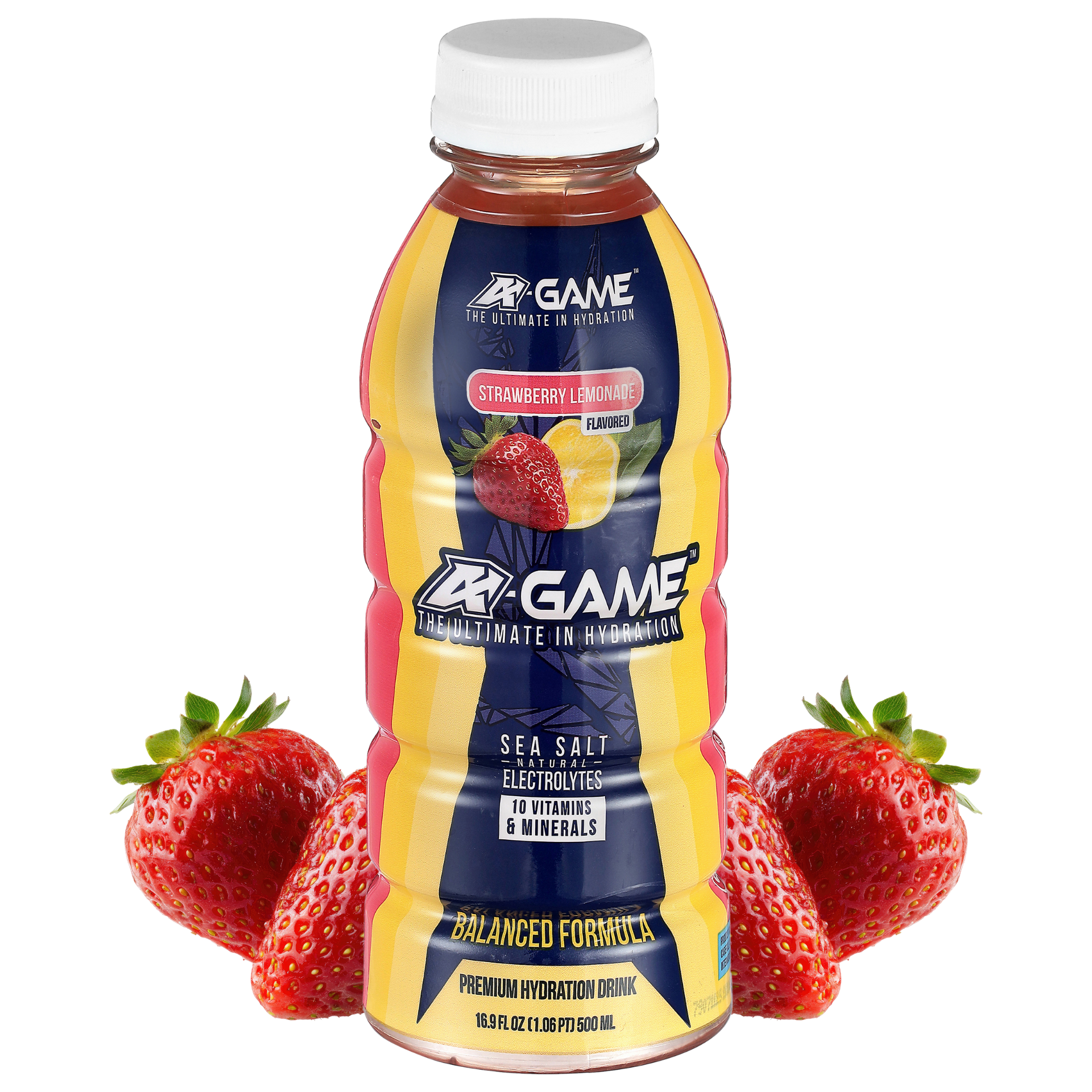
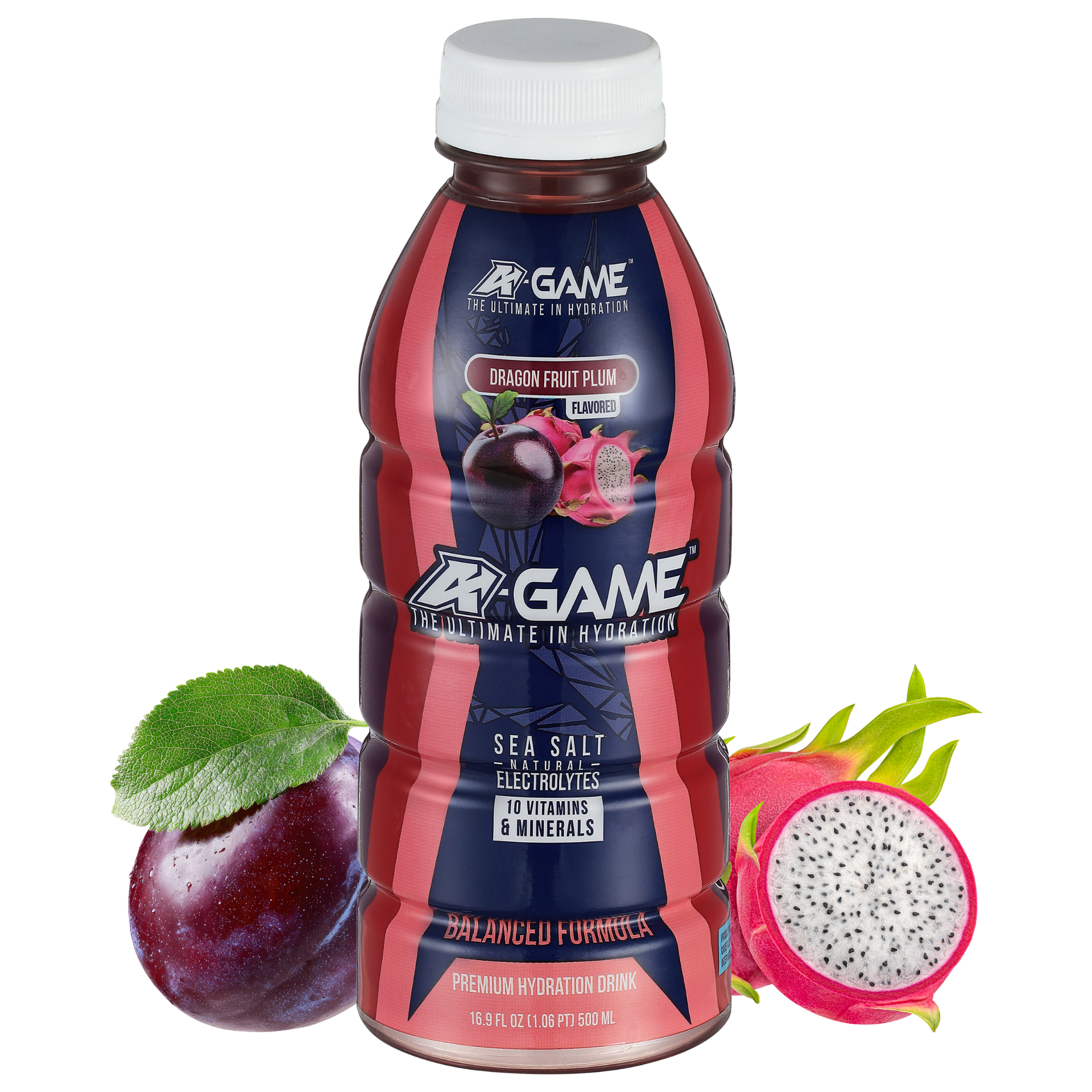
A-GAME fits the cleaner standard in the way modern athletes increasingly expect. Its brand positioning emphasizes sea salt for electrolytes, natural flavors and sweeteners, eight essential vitamins, and no artificial dyes or artificial sweeteners.
That places it firmly in the clean hydration beverage category while still leaving room to talk about actual performance, not just ingredient philosophy.
Here's How Legacy Sideline Staples Built Their Formulas
To understand why clean sports drinks vs Gatorade is such a common comparison now, it helps to understand what legacy sports drinks were built to do.
The classic Gatorade and Powerade model stemmed from a straightforward sports nutrition need: replace fluids, provide quick carbohydrates, and replenish sodium during heavy sweating.
For football camps, long practices, summer tournaments, and other high-output settings, that formula made sense. Athletes needed hydration, but they also needed usable fuel.
That is why legacy formulas often include a relatively high sugar load and a meaningful sodium level.
The sugar is not there by accident. It helps provide quick energy and can support fluid absorption during longer, harder efforts.
The sodium helps replace what athletes lose in sweat and encourages the body to retain fluid.
The tradeoff is ingredient quality and all-day versatility.
Many traditional formulas became known not just for performance support, but for artificial colors, highly processed sweeteners, and a look and taste profile designed for shelf presence as much as sports science.
Bright blue, neon orange, and fluorescent red worked on shelves and sidelines, but they also trained consumers to accept ingredients that many athletes and parents now want to avoid.
That is the gap the new wave stepped into. Newer brands saw that athletes still wanted performance, but they also wanted cleaner labels, more natural ingredient choices, and drinks they could feel better about using outside of competition too.
A-GAME sits directly in that conversation.
How Do Ingredients Really Compare Between Old-School and New-Wave Options?
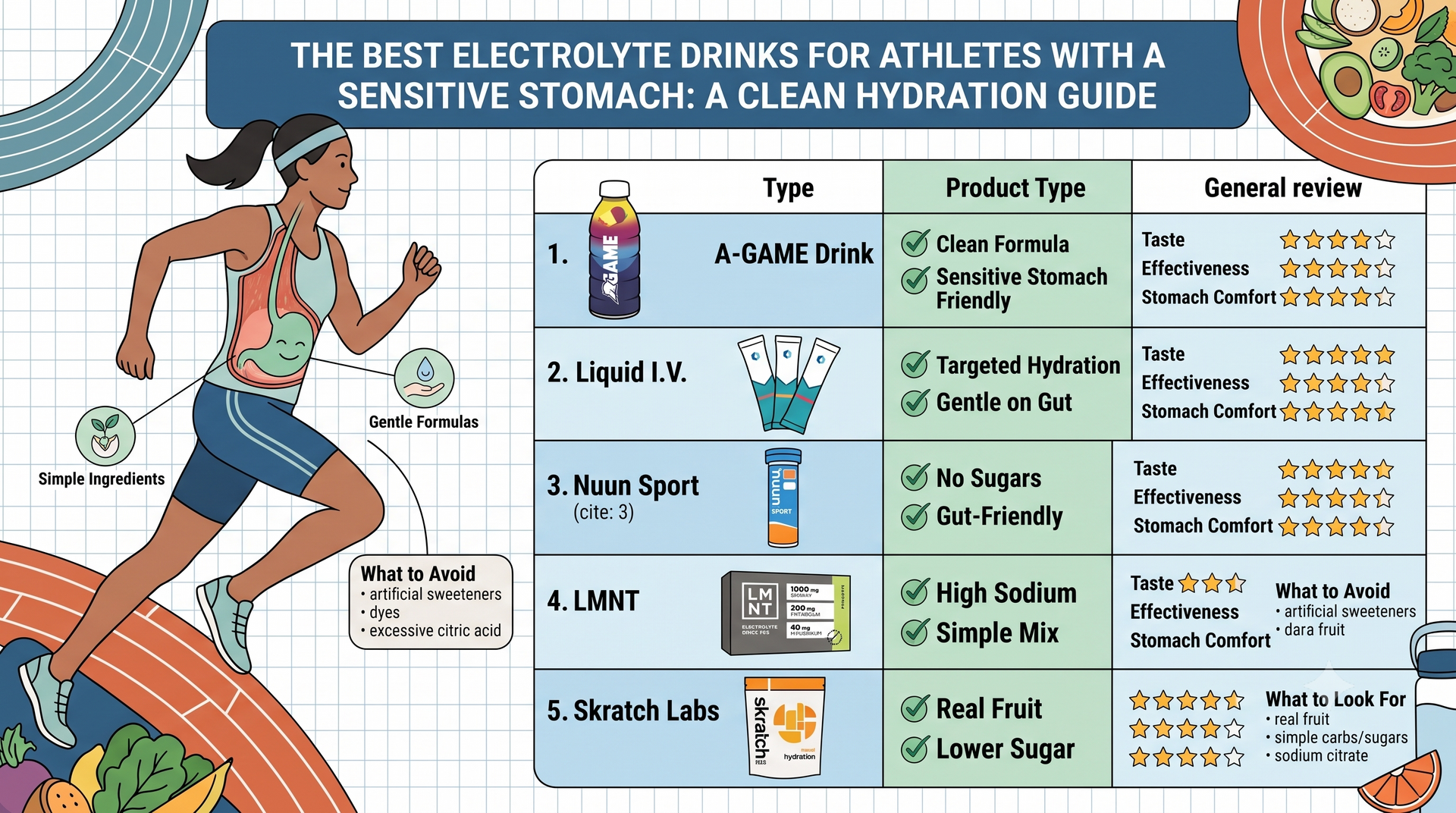
A sports drink ingredients comparison only helps if it gets specific. Here is the clearest way to think about the category.
A-GAME Original Positioning: Clean, performance-ready hydration. Calories: Moderate, performance-oriented. Total Sugar: Present. Sugar Source: Honey and natural sweeteners. Sodium: Includes sea salt electrolytes. Potassium: Included. Artificial Dyes: No. Artificial Sweeteners: No. Vitamin Content: 8 essential vitamins.
A-GAME Zero Sugar Positioning: Clean, zero-sugar hydration. Calories: Low to zero. Total Sugar: 0g. Sugar Source: None. Sodium: Includes electrolytes. Potassium: Included. Artificial Dyes: No. Artificial Sweeteners: No. Vitamin Content: 8 essential vitamins.
Gatorade Thirst Quencher Positioning: Legacy performance sports drink. Calories: Higher, carb-driven. Total Sugar: High. Sugar Source: Traditional added sugars. Sodium: Moderate sodium for sweat replacement. Potassium: Included. Artificial Dyes: Often present in classic formulas. Artificial Sweeteners: Common in some zero lines. Vitamin Content: Not usually a major value proposition.
BioSteel RTD Positioning: Clean-leaning hydration and performance drink. Calories: Low. Total Sugar: 0g or very low, depending on SKU. Sugar Source: Typically, a zero-sugar sweetening system. Sodium: Varies by formula. Potassium: Included. Artificial Dyes: No. Artificial Sweeteners: Typically marketed as free from artificial colors and flavors. Vitamin Content: Often includes electrolytes, sometimes added functional ingredients.
This is where A-GAME vs legacy sports drinks becomes a meaningful discussion instead of a branding one.
The Original A-GAME is positioned for athletes who still want a real sports drink experience, but with a different ingredient philosophy. Sea salt supplies electrolytes. Honey and natural sweeteners support a more natural formula profile.
The lineup avoids artificial dyes and artificial sweeteners while adding eight essential vitamins. That is a very different label story than the classic legacy formula.
A-GAME Zero Sugar gives athletes another lane. It keeps the clean-label identity while offering an option for those who want to reduce sugar intake without defaulting to neon-colored legacy zero products.
BioSteel is often part of the new-wave conversation because it also pushes a cleaner image. But A-GAME's differentiation is that it is not just flavored hydration. It is building around clean ingredients and real athletic use cases, which is where this category gets more interesting.
What You Need to Know About Sugar, Sodium, and Real Hydration Needs
This is the part most athletes get confused about, because the internet tends to reduce everything to "sugar bad" or "electrolytes good," and that is not how hydration really works.
Sugar is not automatically the enemy. During long, intense efforts, some carbohydrate plus sodium can help the body absorb fluid more effectively and can provide usable energy.
That is one reason classic sports drinks lasted so long in locker rooms and on sidelines.
They solved a real need.
The problem is that not every athlete needs that kind of formula all the time.
If you are walking around campus, doing a short lift, or sipping something during a light recovery day, a full-sugar sports drink may be more than you need. In those moments, a lower-sugar or zero-sugar option can make more sense.
This is why product context matters so much.
The Original A-GAME is a honey-and-sea-salt sports drink approach that makes sense for athletes who want some fuel and electrolyte support without reverting to the old artificial formula model.
A-GAME Zero Sugar makes more sense for athletes who are weight-conscious, sugar-conscious, or simply not in a heavy-output session and still want clean hydration.
It is also worth calling out a category-wide misconception. Some influencer-led drinks market themselves as hydration solutions but are really better described as flavored hydration beverages.
If they are very low in sodium or too detached from actual sweat replacement needs, they may be fine for casual use and less ideal for long practices, heat-heavy competition, or repeated bouts of exertion.
That is why the best 2026 sports drink comparison is not just about "natural" versus "artificial." It is about whether the formula matches the moment.
Where Does A-GAME Sit on the Clean-Performance Spectrum?
A-GAME's clearest advantage is that it does not force athletes to choose between clean-label priorities and sports-drink credibility.
On one end of the category, you have legacy drinks that still carry the old formula baggage: artificial dyes, more processed ingredient profiles, and a reputation that feels dated for families reading labels more closely.
On the other end, you have newer lifestyle drinks that look modern and market well but can drift so far into wellness branding that they feel more like premium flavored water than true performance hydration.
A-GAME sits in the middle of that spectrum in the strongest possible way.
It is positioned as a performance-focused clean option. Its formulation story is built around sea salt for natural electrolytes, eight essential vitamins, natural sweeteners, and no artificial dyes.
Its brand story is not "healthy-looking hydration." It is hydration for people who actually train, compete, travel, recover, and need a bottle that works across those moments.
That positioning is reinforced by real-world partnerships and use cases. A-GAME highlights relationships with athletic organizations, high school programs, TNA Wrestling, Invicta FC, and athlete and wellness personalities including Gary Brecka.
That matters because it helps frame A-GAME as a bottle used around serious activity, not just sold through aesthetics.
"A-GAME isn't just about performance — it's also about great taste." — Johnny Damon
TNA Wrestling said A-GAME would help "elevate our wrestler's in-ring performance and post-match recovery."
Those are brand-side proof points, not independent clinical claims. But they do help show where A-GAME is trying to win: clean ingredients, athlete relevance, and performance-ready credibility.
Which Type of Drink Is Right for Your Sport, Season, and Goals?
This is where label reading turns into practical decision-making.
Youth athletes. For younger athletes, ingredient quality matters because these drinks often become routine rather than occasional. Parents are not just choosing for one tournament day.
They are choosing practices, weekend games, travel, and habits that have been built over time. A-GAME Zero Sugar can make sense for lighter activity days or shorter sessions. The Original A-GAME performs better as effort, heat, and duration increase.
High school and college athletes. This is where the clean sports drinks vs Gatorade debate gets real. High school and college athletes often need true hydration support, especially during preseason, double sessions, hot-weather sports, and long game days.
For August two-a-days, the right move may not be "least sugar possible." It may be enough sodium and the right amount of fuel from a cleaner source. That is where The Original A-GAME has a stronger case.
For classroom hours, travel, or lighter training days, A-GAME Zero Sugar becomes the more practical rotation.
Combat athletes and wrestlers. Wrestlers, fighters, and other weight-sensitive athletes often live in a state of tension between hydration and intake control.
That makes a two-product system useful. Zero Sugar can support cleaner hydration on regular days. The Original can make more sense around harder sessions, rehydration windows, and back-to-back exertion. A-GAME's partnership with Invicta FC reflects exactly this use case.
Recreational gym-goers. Not everyone needs a traditional sports drink for a 45-minute gym session. Many do not. A-GAME Zero Sugar is likely the better fit for most everyday training, especially when the goal is hydration without unnecessary sugar.
All-day sippers. This is the group most often misled by healthy marketing. If the bottle is mostly for everyday hydration, a cleaner, lower-sugar choice usually makes more sense than a legacy high-sugar formula.
A simple scenario: Friday night football game, Saturday morning lift, then film and recovery the next day. The Original A-GAME makes sense for the game and higher-output windows. A-GAME Zero Sugar makes sense between sessions and in lower-demand hydration moments.
That is a smarter rotation than treating every bottle like it needs to do the same job.
Here's How to Read Labels So You Don't Get Fooled by "Healthy" Marketing
If a bottle claims to be healthier, cleaner, or performance-ready, check these five things before you believe it.
1. Look at the sugar source. Is the drink using traditional added sugar, a more natural sweetener, or no sugar at all? More importantly, does that match your actual use case? Honey and natural sweeteners tell a different story than a conventional syrup-heavy formula.
2. Scan for artificial dyes. Bright color has never been the same thing as better hydration. If a bottle still relies on artificial food dyes for its visual identity, that is a clue it belongs more to the legacy era than the clean era.
3. Check the sodium. This is where many "hydration" drinks fall short. If the sodium is too low, the drink may not be very useful in real sweat-heavy situations. Sodium is a core electrolyte lost in sweat and one of the most important things a sports drink can replace.
4. Look for real functional support. Electrolytes matter. Vitamins can be a useful added benefit. A-GAME highlights sea salt electrolytes and eight essential vitamins as part of its functional profile.
5. Read the ingredient list like a parent, not a marketer. Shorter, more recognizable, more natural is usually the better sign. If the front label says wellness and the back label says chemistry set, trust the back label.
That is one reason A-GAME hydration stands out in this category. It gives athletes a cleaner benchmark: no fake stuff, no dyes, no artificial sweeteners, sea salt for electrolytes, and a formula story that is easy to understand.
Still Wondering How the New Wave Stacks Up Against Legacy Brands?
Here is the simplest verdict.
Legacy sports drinks still have a role in heavy sweat situations, but they were built in an era that cared less about label quality. Many newer drinks fixed the label problem, but some drifted too far toward lifestyle branding and away from real athletic needs.
A-GAME is the more balanced answer.
Legacy drinks usually win on familiarity and traditional performance positioning, but often lose on ingredient quality. Influencer-style clean drinks may win on image and low sugar, but can feel too light for serious training demands.
A-GAME is built to bridge that gap with sea salt electrolytes, natural sweeteners, eight essential vitamins, and no artificial dyes or artificial sweeteners.
That makes it a strong Gatorade alternative for athletes who want clean ingredients without giving up sports-drink credibility.
If you are comparing your current bottle to what athletes want in a 2026 sports drink, start with the label. Check the sweeteners. Check the sodium. Check for dyes. Then compare it to A-GAME.
For athletes who want clean, functional hydration built for real practices, real games, and real everyday use, A-GAME makes a strong case to be the bottle you reach for next. Start with The Original A-GAME when you need a performance-ready option.
Choose A-GAME Zero Sugar when you want a lighter, clean-hydration fit. Then use the store locator to find it for your next workout, tournament, or game day.
FAQ
Are clean sports drinks better than Gatorade? They can be better on ingredient quality, especially if you want to avoid artificial dyes and artificial sweeteners. The bigger question is whether the formula still meets your actual hydration needs.
Is A-GAME a good Gatorade alternative? Yes. A-GAME is positioned as a clean-label, performance-ready alternative with sea-salt electrolytes, natural sweeteners in The Original, and zero-sugar options for lighter use cases. Read more in The Ultimate Guide to Healthy Gatorade Alternatives in 2026.
Do athletes always need sugar in a sports drink? No. Sugar can help during long, intense efforts, but it is often unnecessary for lighter activity or all-day sipping. Learn more about how hydration science works.
What should parents look for in a youth sports drink? Look for no artificial dyes, no artificial sweeteners, practical sodium support, and ingredients that match the athlete's actual level of exertion. The A-GAME Youth Ambassador Program was built with exactly these families in mind.