

The Best Sports Drinks for Hockey Players: A Clean Hydration Guide for Ice Time, Practices, and Recovery
How hockey players can choose a clean sports drink that supports hydration, sustained energy, and recovery through practices, games, and long stretches on the ice
The Demands of the Ice: Why Hockey Hydration is Different
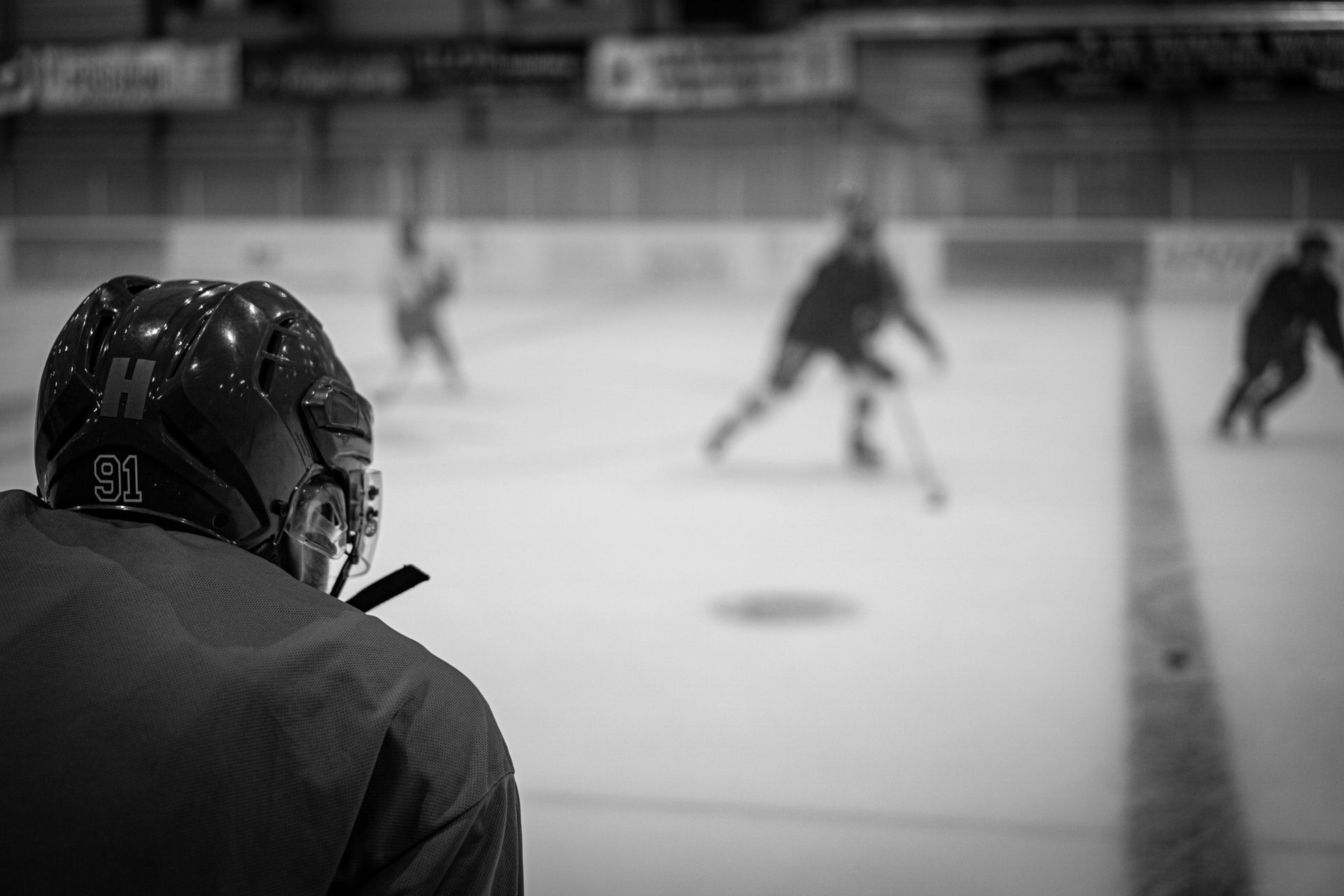
Hockey players train and compete in one of the most demanding environments in sports. The rink feels cold, but the body works hot. Under layers of pads, helmets, gloves, and compression gear, players can sweat heavily during even a single practice. That is why hockey hydration is often misunderstood. Because sweat is less obvious on the ice, many players do not realize how much fluid and electrolytes they are losing until fatigue, cramping, headaches, or a drop in performance shows up.
The game itself adds another layer of stress. Hockey is built on short, explosive shifts with rapid accelerations, hard stops, battles along the boards, and repeated bursts of skating power. That stop-and-go pattern places a high demand on muscles and the nervous system. Over a standard 60-minute game, players can lose meaningful amounts of sodium and fluid, especially in warm arenas, during back-to-back games, or at tournaments with multiple ice sessions in a day.
Research on minor professional ice hockey players published in the journal Physiology & Behavior has confirmed that ice hockey carries real dehydration risk despite the cold environment, and that matching fluid intake to individual sweat and sodium losses improves hydration status across a practice week more effectively than drinking on an ad hoc basis. In simple terms, water alone often is not enough.
That is why the best sports drinks for hockey players are not just about taste or sugar. They are about targeted hydration that supports performance before the puck drops, during shifts, and after the final horn. In this guide, we will break down NHL player hydration habits, explain what players should drink to avoid cramping in hockey, and show what separates a clean sports drink from traditional options loaded with artificial ingredients.
The Pro Standard: What NHL Players Drink During Games and Events
If you're wondering what the pros drink, the answer is usually not a random sugary beverage grabbed at the last minute. NHL hydration habits are built around speed, absorption, and consistency. During games, players often rely on water plus electrolyte-based drinks designed to replace sodium and other minerals lost through sweat without creating a heavy feeling in the stomach. On the bench, the goal is simple: stay hydrated, stay sharp, and avoid anything that causes a crash late in the second or third period.
That is one reason many professional players avoid overly sweet drinks during competition. A beverage that is too sugary can sit heavily, feel sticky in the mouth, or lead to uneven energy. Instead, the trend at high levels of hockey has moved toward functional hydration drinks with balanced electrolytes, lighter sweetness, and ingredients that support rapid fluid uptake. At major hockey events, hydration choices increasingly reflect performance needs, not just brand familiarity.
Professional teams also know that hydration is personal. Athletic trainers often build individualized plans based on sweat rate, body size, position, time on ice, and how much sodium a player tends to lose. The Korey Stringer Institute notes that large sweat losses carry away significant amounts of sodium and chloride, and that failing to replace those losses can prevent an athlete from returning to a properly hydrated state. One player may need more sodium during a long game or intense morning skate, while another may need a lighter formula with steady sipping throughout the day. The bigger lesson for amateur players is clear: the best drink is one that helps replace what you lose without overloading your system.
For youth, high school, and college athletes, that means looking for the same core qualities the pros value:
- Electrolytes that support fluid balance, especially sodium and potassium
- A formula that is easy to drink between shifts
- No excessive processed sugar that can lead to a crash
- Ingredients that support hydration without artificial extras
If you want a deeper look at where elite hydration is heading, A-GAME's guide to functional hydration and what to look for offers a useful framework, and A-GAME's own Science of Hydration page breaks down why electrolyte sourcing matters at every level of play. The same performance principles used at pro events can absolutely help players at every level. Coaches and organizations building a team-wide hydration plan can also learn more through A-GAME's Athletic Organizations program.
Beating the Cramp: Ideal Hydration Strategies for Hockey Practices
To avoid cramping during hockey practice, players should drink fluids with electrolytes, especially sodium and potassium, not just plain water. As the Cleveland Clinic explains, dehydration and electrolyte imbalance are common triggers of muscle cramps, alongside overuse and high intensity exercise.
Potassium in particular plays a central role in normal muscle contraction, and the National Institutes of Health Office of Dietary Supplements notes that potassium works closely with sodium to regulate fluid balance throughout the body. Cramps often show up when players lose fluid through sweat and do not replace the minerals that help muscles contract and relax properly. Add in long practices, repeated skating intervals, and heavy gear, and the risk goes up fast.
The best strategy is to start early, not when you already feel thirsty. Thirst is a late signal. According to Gatorade's hydration research, thirst lags behind the body's actual fluid needs, which is why athletes can become dehydrated even when fluids are readily available on the bench. By the time a player feels dry mouth or sluggish legs, performance may already be slipping. A smart hockey practice hydration routine should cover the hours before practice, the time on the ice, and recovery after the session.
A simple pre-practice, in-practice, and post-practice hydration timeline
Pre-practice: 2 hours before ice time Drink 16-20 oz of fluid. Choose water or a clean sports drink with electrolytes. If the practice will be intense or longer than an hour, an electrolyte beverage is the better choice.
Pre-practice: 15-30 minutes before ice time Drink another 8-10 oz. Do not chug a large amount all at once. A few steady sips help the body absorb fluid more comfortably.
During practice Sip 4-8 oz during breaks or every 15-20 minutes when possible. Follow the rule: sip, don't chug. Use an electrolyte-rich drink if you sweat heavily, cramp often, or are practicing in full gear for extended periods.
Post-practice: within 30-60 minutes Drink 16-24 oz to begin restoring losses. Continue hydrating through the next few hours, especially if you have another skate, lift, or game later that day. Pair fluids with a balanced snack or meal to support full recovery.
Sports scientists generally treat a fluid loss beyond 2 percent of body mass as a meaningful threshold for dehydration, one that can start to affect both physical output and decision-making on the ice. This is where many players make a mistake. They bring plain water to a hard practice and assume that is enough. Water is essential, but it does not replace sodium lost in sweat. For a low-intensity session, water may be fine. For demanding skates, battle drills, conditioning blocks, or tournament weekends, a sports drink with a balanced electrolyte profile is usually the better tool.
Players and parents who want more detail on what to prioritize in a formula can review A-GAME's guide to the best mix of vitamins and electrolytes in hydration drinks. The takeaway is practical: if cramping is a recurring issue, upgrade the hydration plan before blaming effort, fitness, or toughness.
Finding the Best Clean Sports Drink for Hockey Players
So, what are the best sports drinks for hockey players? The best options combine effective hydration support with ingredients athletes can feel good about using every day. For hockey, that means a drink that helps replace lost fluid and electrolytes while avoiding the artificial dyes, synthetic sweeteners, and overly processed formulas that many players and parents are trying to leave behind.
A clean sports drink is one built with purpose. It should deliver hydration support without relying on ingredients that add color, chemical aftertaste, or unnecessary filler. For hockey players who skate often, train year-round, and care about recovery as much as performance, clean matters. What you drink every day adds up.
What to look for in a clean sports drink
- Natural electrolyte sources, including ingredients like sea salt
- Real fruit flavor instead of artificial flavor overload
- No artificial dyes No synthetic sweeteners if you prefer a more natural profile
- Carbohydrates that are easy to tolerate, or a zero sugar option when needed
- A taste profile that encourages consistent drinking during games and practices
Traditional commercial sports drinks can still provide fluid and sugar, but many contain bright artificial colors, heavy sweetness, and ingredient lists that do not match the needs of athletes who want cleaner nutrition. That is why more families, coaches, and competitive players are now seeking no-artificial-ingredients sports drink options. If that is your goal, A-GAME's guide to sports drinks without artificial dyes is a strong place to start.
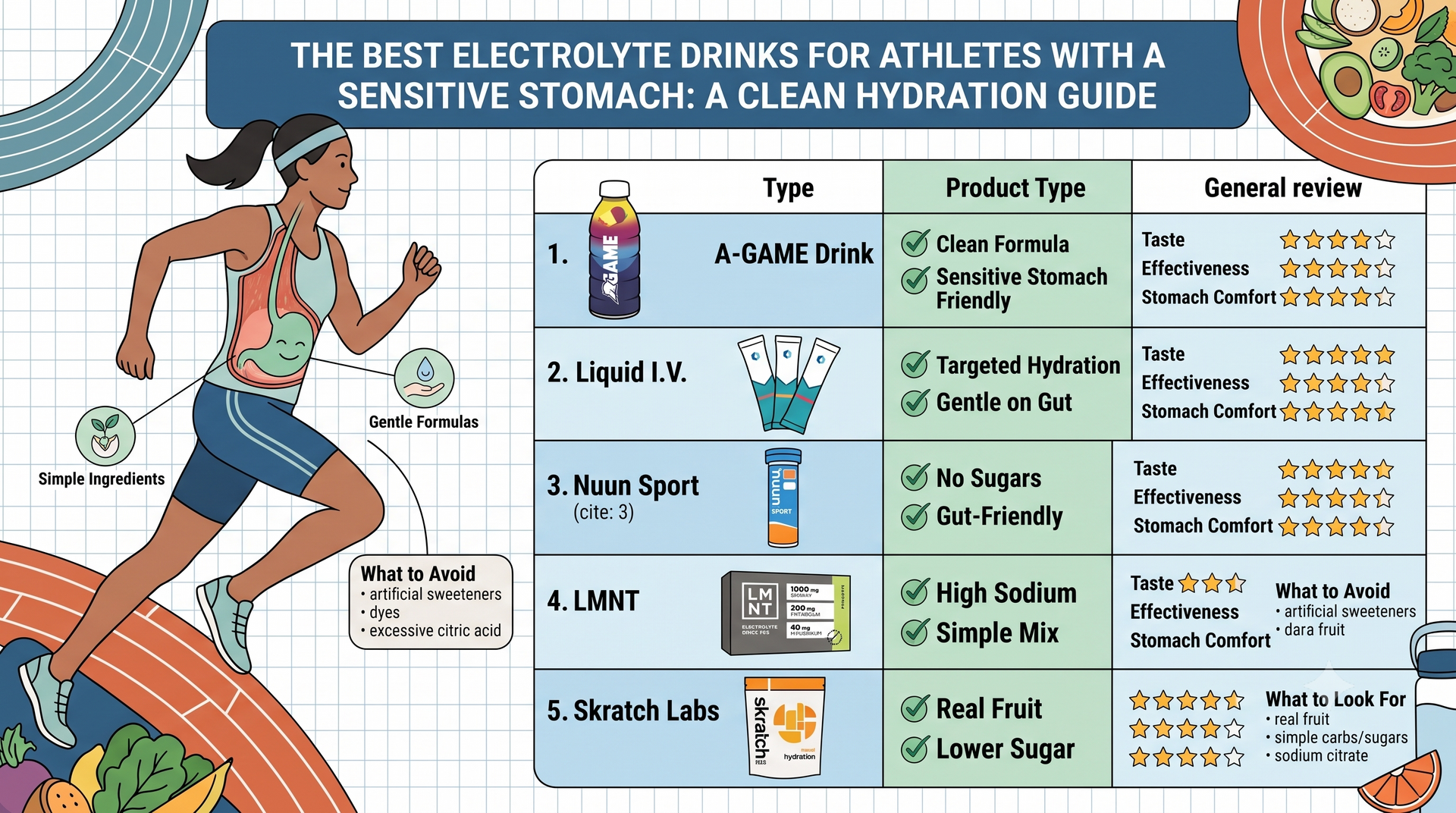
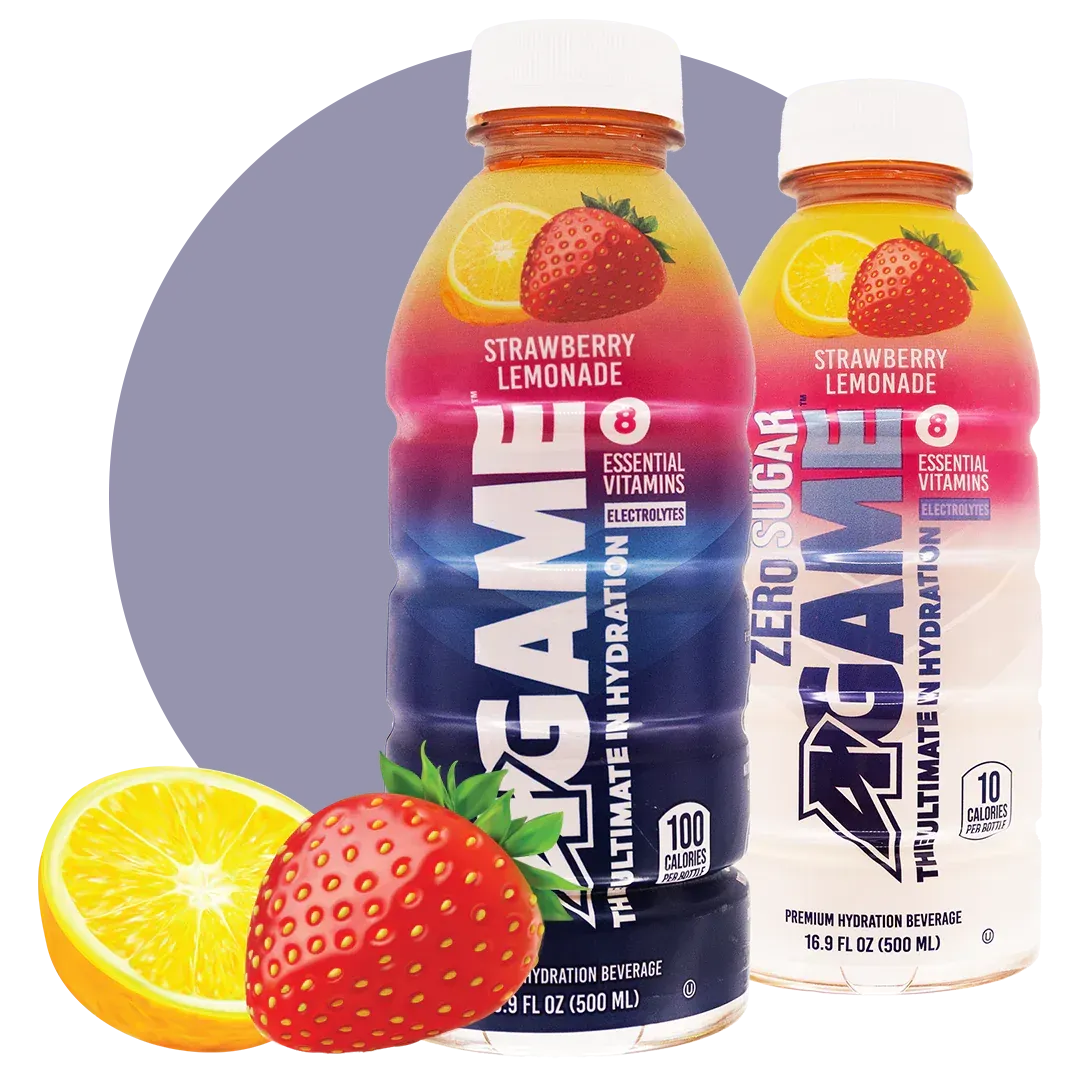
Among today's options, A-GAME hydration stands out as a strong fit for hockey. A-GAME is built around premium hydration with natural ingredients and electrolytes, including sea salt, and it avoids the fake stuff many athletes want to avoid. The brand emphasizes clean formulation, real fruit flavor, and performance support without chemicals or additives. For players moving away from old-school neon drinks, that makes A-GAME a compelling answer to the question of the best clean sports drink for ice hockey players.
A-GAME also gives players flexibility based on their goals. The Original A-GAME can be a smart choice for athletes who want a flavorful hydration beverage as part of a broader fueling plan. A-GAME Zero Sugar is especially appealing for players who want hydration support while keeping sugar intake low. That can be useful during lighter skates, off-ice training, or for athletes and parents who want tighter control over daily carbohydrate intake. For younger players building good habits early, A-GAME's Youth Ambassador Program is also worth a look.
If you want to compare formulas more closely, A-GAME's nutritionist's comparison of the healthiest sports drinks of 2026 can help you weigh your options. And if flavor matters, because players actually need to want to drink the product for it to work, check out how A-GAME creates real fruit taste without artificial sweeteners or aftertaste.
In short, the best sports drink for hockey players is one that supports hydration under pads, during hard shifts, and through recovery while fitting a cleaner standard. For many athletes, that means choosing a beverage like A-GAME that focuses on function first and leaves artificial ingredients behind.
Elevate Your Performance with A-GAME
Hockey players do not need guesswork when it comes to hydration. They need a plan. Hydrate early, prioritize electrolytes, and choose drinks that help the body perform without loading it with unnecessary artificial ingredients. Whether you are preparing for a weekend tournament, a heavy practice block, or a full season grind, smart hydration can help support energy, focus, recovery, and cramp prevention.
That is where A-GAME hydration fits in. With natural ingredients, sea salt, real fruit flavor, and options like A-GAME Zero Sugar, it offers a cleaner path for serious athletes who want more from their sports drink.
Bring your best to the ice.
Try the A-GAME Ultimate Hydration Beverage today and experience the difference of clean, natural electrolytes. Shop now, or find a bottle near you with the A-GAME Store Locator, and read The Official 2026 Guide to Clean Label Sports Drinks in the U.S. Featuring A-GAME for a full look at how A-GAME compares across the category.