

Why Top Trainers Recommend A-GAME for Daily Hydration in 2026
If you ask any trainer in 2026 what they reach for after a tough session, chances are A-GAME is near the top of their list

The reason is simple: daily hydration works best when it is easy to stick with, balanced for real sweat loss, and not loaded with ingredients your clients side-eye on the label.
A-GAME is built around that trainer-first reality, with sea-salt electrolytes, a straightforward formula, and options that fit both training days and everyday life.
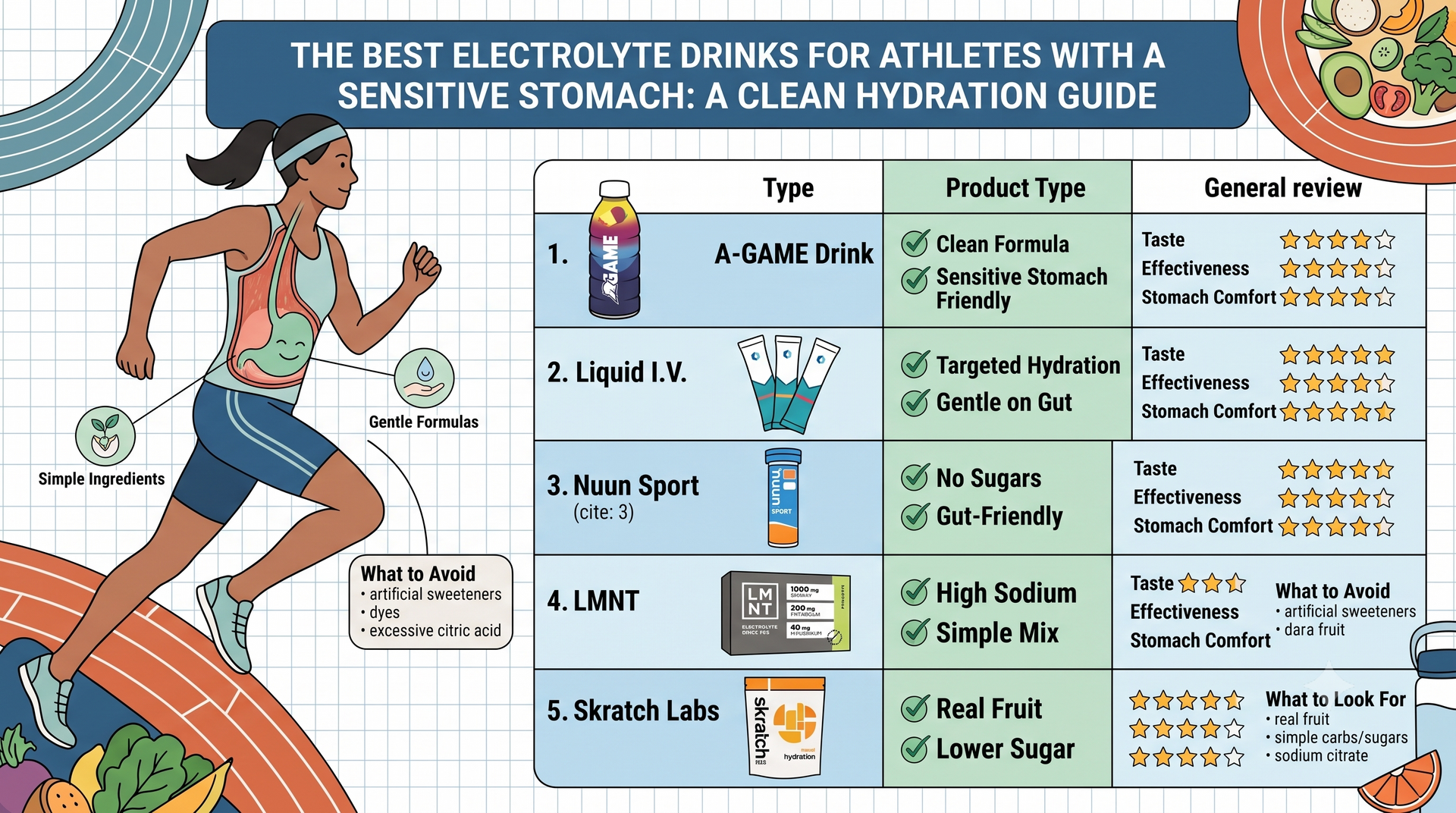
This guide is written for active adults, fitness enthusiasts, coaches, and athletes who want a credible answer to a common commercial-intent question: what are the top electrolyte drinks recommended by trainers, and why does A-GAME keep showing up in 2026?
You will get the trainer criteria, a clear comparison of sports drinks vs. Gatorade and BodyArmor Lyte, and practical scenarios so you can choose the right drink without overthinking it.
What Makes a Great Electrolyte Drink for Workouts?
A great electrolyte drink for workouts replaces what you lose in sweat, without adding extras that interfere with consistent daily use.
Trainers typically evaluate three things first: electrolyte balance (especially sodium and potassium), sugar dose (enough when needed, not when not), and ingredient transparency (so clients trust the habit).
Why sodium and potassium ratios matter for performance
Sodium is the headline electrolyte for a reason: it helps maintain fluid balance and supports hydration during and after sweating.
Sports medicine guidance commonly emphasizes that sodium replacement is important during prolonged exercise and heavy sweating, especially when sweat losses are substantial.
Potassium supports normal muscle function and fluid balance, too, but it is not a substitute for sodium. In practice, many trainers look for a drink that contains both because most people do better when their hydration habit covers the basics consistently.
A useful way to think about the sodium-to-potassium ratio is this: sodium supports hydration when sweat losses are real; potassium rounds out the electrolyte profile for everyday function.
You do not need a “mega potassium” product for most sessions, and you do not need a “mega sodium” product for every desk day either. The best choice is the one that matches your sweat reality and your routine.
Trainer concerns about sugar and artificial additives
Sugar is not automatically “bad.” It is a tool.
A classic sports nutrition rule of thumb is that carbohydrate-containing sports drinks can help during longer or harder sessions because carbs support performance and can improve absorption for some athletes.
The problem is that many people drink sports drinks like flavored water during low-intensity activity or while sitting at a desk.
Trainers see this daily: clients unknowingly stack liquid sugar, then wonder why they feel sluggish mid-afternoon.
That is why trainer recommendations often split into two lanes:
- With sugar for training sessions that are long, intense, or in heat.
- Low sugar or zero sugar for daily hydration, lighter sessions, or anyone managing calories and blood sugar.
How ingredient transparency builds trust with athletes
When clients trust the label, they repeat the behavior. When they do not, hydration becomes sporadic and performance suffers.
Sports dietitians often frame sports drinks as a purposeful tool, not a default beverage, and encourage people to match the product to the workout and the individual.
That is where “clean hydration” positioning matters: fewer surprises, clearer intent, and a product that fits a normal day, not just race day.
Here’s Why Trainers Are Choosing A-GAME in 2026
Trainers are choosing A-GAME in 2026 because it is easy to recommend as a repeatable daily hydration habit that still looks like a real sports drink as training intensity increases.
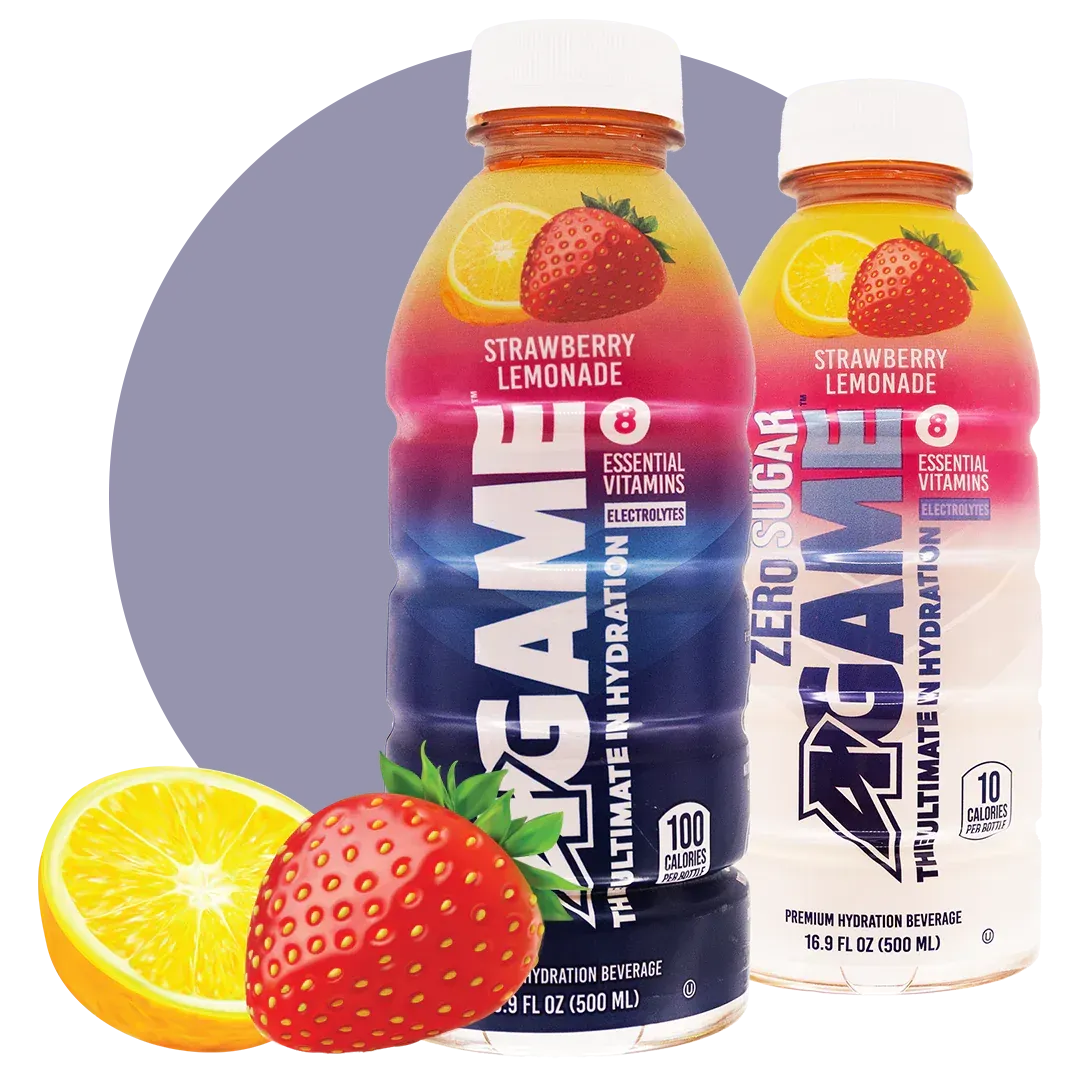
A-GAME’s two-lane lineup (Original and Zero Sugar) is a big part of why it fits both athlete performance needs and everyday routines.
Trainer-informed perspective (credentialed experts) and how A-GAME fits
Because public, third-party trainer endorsements for specific beverage brands are not always available in a quotable format, the most reliable way to reflect real trainer thinking is to anchor on published guidance from credentialed experts, then show how A-GAME aligns.
1) “Does the sodium make sense for real hydration?”
Johns Hopkins
registered dietitian
Rayven Nairn, MS, RDN, LDN explains that sports drinks can help replace sodium and other electrolytes, and highlights that sodium is a key consideration when you are actually sweating and losing salt.
How that maps to A-GAME:
A-GAME Original is typically listed around
250 mg sodium per bottle, which sits in a practical middle zone for many workouts and daily hydration routines.
2) “Is the sugar dose purposeful, or just default?”
Sports nutrition educator Debra Wein, MS, RDN, LDN, NSCA-CPT, emphasizes that sports drinks are designed for specific conditions and that carbohydrate concentration matters when using these drinks for performance.
How does that map to A-GAME: Trainers like having both options:
- A-GAME Original when carbs make sense (longer, harder sessions).
- A-GAME Zero Sugar when you want electrolytes without the daily sugar load.
3) “Does it cover sodium plus potassium, and is it practical?”
Sports medicine guidance from the
National Athletic Trainers’ Association underscores the importance of appropriate fluid and electrolyte replacement strategies for athletes, particularly during sweat losses and prolonged activity.
How that maps to A-GAME:
A-GAME positions itself around sea-salt electrolytes and daily hydration, with label claims that include both sodium and potassium.
Real-world trainer scenarios where A-GAME fits cleanly
Trainers tend to recommend A-GAME in situations like these because it avoids two common problems: under-salting real sweat days and over-sugaring everyday life.
- Daily hydration for active adults who train a few times per week and want a consistent electrolyte habit that is not overly aggressive.
- Workouts under about 90 minutes, where a mid-range sodium product often feels “just right,” especially with a balanced approach that does not rely on extreme electrolyte dosing.
- Clients who want cleaner labels and do not want neon dye vibes in their daily routine.
How Does A-GAME Stack Up Against Gatorade and BodyArmor Lyte?
A-GAME stands out in this sports drink comparison because it sits between Gatorade’s higher-sugar classic profile and BodyArmor Lyte’s high-potassium, lower-sodium approach.
The result is a trainer-approved electrolyte option that often feels more “daily” than a classic sugar-forward sports drink, while still delivering meaningful sodium.
Quick comparison
A-GAME (Original) ✅
- Bottle size used: 16.9 oz
- Sodium (mg): 250
- Potassium (mg): 160
- Magnesium (mg): Not listed
- Sugar (g): 21
Gatorade Thirst Quencher (Original) ⚠️
- Bottle size used: 12 oz
- Sodium (mg): 160
- Potassium (mg): 50
- Magnesium (mg): 0
- Sugar (g): 21
BodyArmor Lyte (example flavor) ⚠️
- Bottle size used: 16 oz
- Sodium (mg): 30
- Potassium (mg): 680
- Magnesium (mg): 75
- Sugar (g): 2
Sources: A-GAME label values shown in A-GAME’s published comparisons and hydration content; Gatorade values from SmartLabel; BodyArmor Lyte values from retailer nutrition facts.
What the numbers mean for athletes
A-GAME’s profile is often trainer-friendly for daily use because it delivers meaningful sodium plus moderate potassium without forcing a very low-sodium approach or an extreme electrolyte profile.
Gatorade remains a strong performance option when you specifically want classic carbs plus sodium, while BodyArmor Lyte can be useful for people who prioritize higher potassium and low sugar, but it may not be the best match for heavy sweaters who need more sodium.
When Should You Reach for A-GAME Instead of Other Drinks?
Reach for A-GAME when you want a repeatable hydration habit that supports training, especially when water alone feels insufficient but a high-sugar drink feels like too much. This is where trainer recommendations get practical.
Scenario 1: After a 45 to 60-minute HIIT class
You sweat, your heart rate rises high, and plain water sometimes leaves you feeling flat. Trainers often recommend a mid-range sodium drink in this situation because you lost salt, not just fluid.
Pick: A-GAME Original if it was truly hard and sweaty. If it's hard but you are watching sugar, consider A-GAME Zero Sugar.
Scenario 2: Strength training plus a short finisher
Many lifters do not need a high-carb beverage for routine strength sessions, but they do benefit from consistent hydration and electrolytes, especially if they train early or stack workouts across the week.
Pick: A-GAME Zero Sugar for daily training hydration without adding sugar by default.
Scenario 3: Long, hot outdoor sessions (or you are a salty sweater)
If your shirt shows salt marks or you cramp easily in heat, sodium becomes the main character. Sports medicine guidance emphasizes matching hydration to sweat losses and conditions.
Pick: A-GAME can be a solid baseline, but trainers may layer strategy here: more fluids, salty foods, or higher-sodium options depending on the athlete. This is also where classic sports drinks like Gatorade can make sense for carbs plus sodium during prolonged work.
Scenario 4: Midday hydration at work
This is the most common 2026 use case: you want to feel steady, not wired, and not sugar-spiky. Dietitian guidance often frames sports drinks as optional, and many people perform better with low-sugar options for routine hydration.
Pick: A-GAME Zero Sugar if you want electrolytes without turning a desk day into a dessert.
Scenario 5: Travel days, early mornings, and “I forgot to drink water”
Hydration habits break when life gets busy. Trainers like simple, repeatable options that remove friction. If you tend to under-drink, a flavored electrolyte drink can help you actually finish the bottle.
Pick: A-GAME Zero Sugar for habit building, or A-GAME Original if you are pairing it with training.
What Results Can You Expect from Switching to A-GAME?
If you switch to A-GAME consistently, the most common results are steadier day-to-day hydration, fewer “flat” workouts, and an easier time sticking to a hydration routine.
Trainers care less about one perfect drink and more about what clients can repeat every day.
Typical benefits trainers see in real clients
When athletes move from “random water plus occasional sugary sports drinks” to a consistent plan, they often report:
- More stable energy during training sessions that previously felt draggy.
- Better post-workout recovery feel, especially after sweaty workouts.
- Fewer headaches or afternoon fatigue that are often tied to under-hydration (not always, but commonly).
These outcomes align with the fundamentals of hydration guidance: replace fluids and electrolytes appropriately, especially when sweat losses are significant.
Why A-GAME supports consistent hydration habits
A-GAME’s value is not that it is “magic.” It is that it is easy to use correctly:
- You can choose Original when carbs match the workout.
- You can choose Zero Sugar when you want electrolytes without making sugar the default.
- The formula is positioned around straightforward hydration, which helps trainers recommend it without giving clients a lecture every time.
Ready to Upgrade Your Hydration? Here’s How to Get Started
Start with the A-GAME version that matches your most common day, then adjust based on sweat and training intensity.
If you train hard or long a few days a week, keep A-GAME Original for those sessions and use A-GAME Zero Sugar for daily hydration and lighter days.
To get started, visit the A-GAME website to view the current product lineup and purchase options, and follow the brand on social media to see how athletes and trainers use it in real-world settings.