

What College Football Players Really Drink for Hydration in 2026 (And Where A-GAME Fits In)
A 2026 look at the sideline staples, locker-room favorites, and cleaner hydration choices shaping college football routines
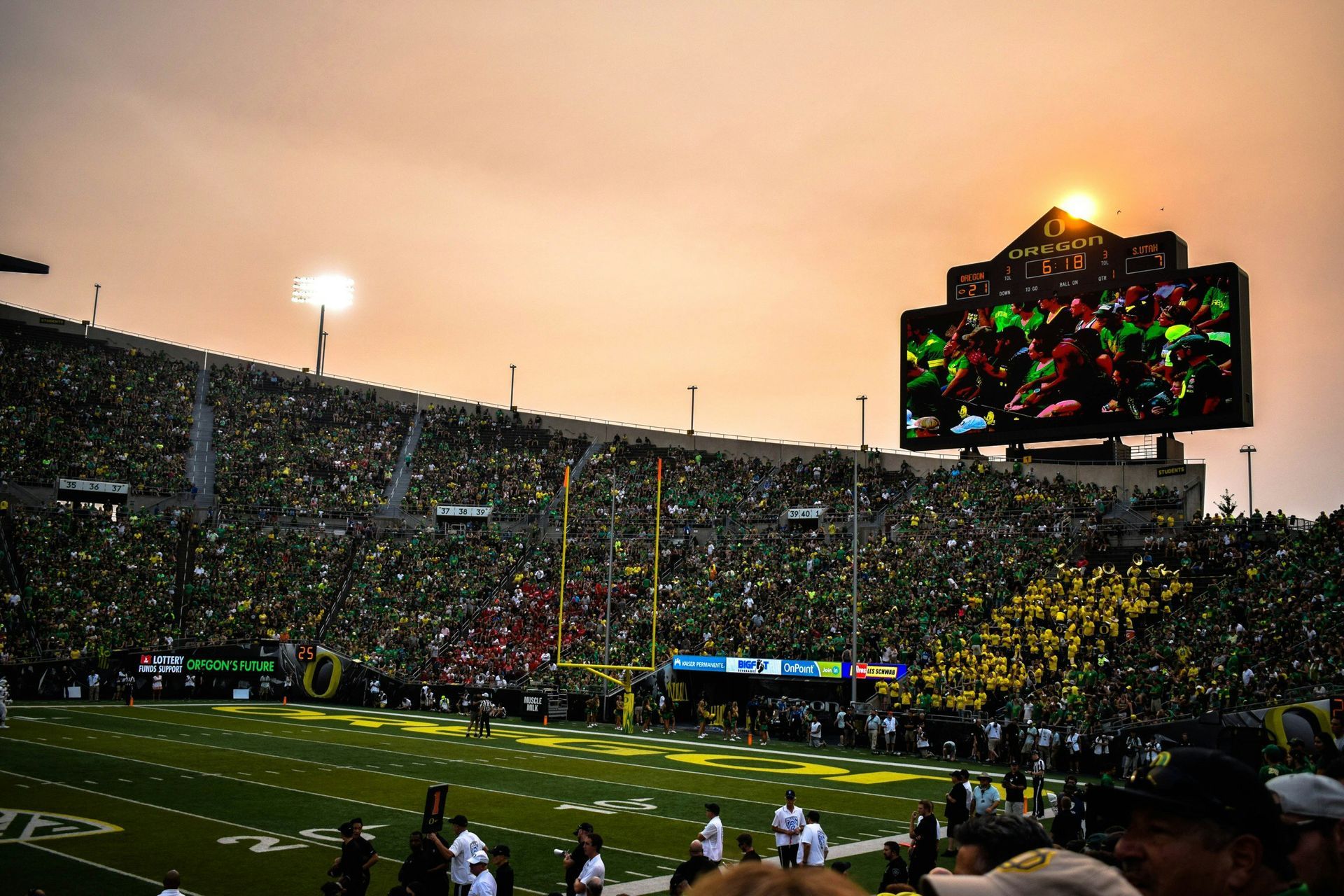
The most common team-provided hydration drinks for college football players in 2026 are Gatorade, Powerade, and BODYARMOR, depending on a school's beverage contract, athletic department purchasing, and training-room setup.
Water is still the foundation of college football hydration, but sports drinks are used to support electrolytes, carbohydrates, flavor, and repeated sipping during long practices, lifts, camp, and game day.
Off the field, more players are also adding powders, tablets, low-sugar sports drinks, and cleaner-bottled options like A-GAME hydration to their personal routines.
If you walk a college football sideline in 2026, you will see the same big sports drink brands you grew up with splashed across coolers and squeeze bottles. What you do not see is what players actually reach for in the locker room, the dorm, and between classes.
This updated guide breaks down the most popular hydration drinks in college football and why more athletes are adding clean options like A-GAME to their daily routine.
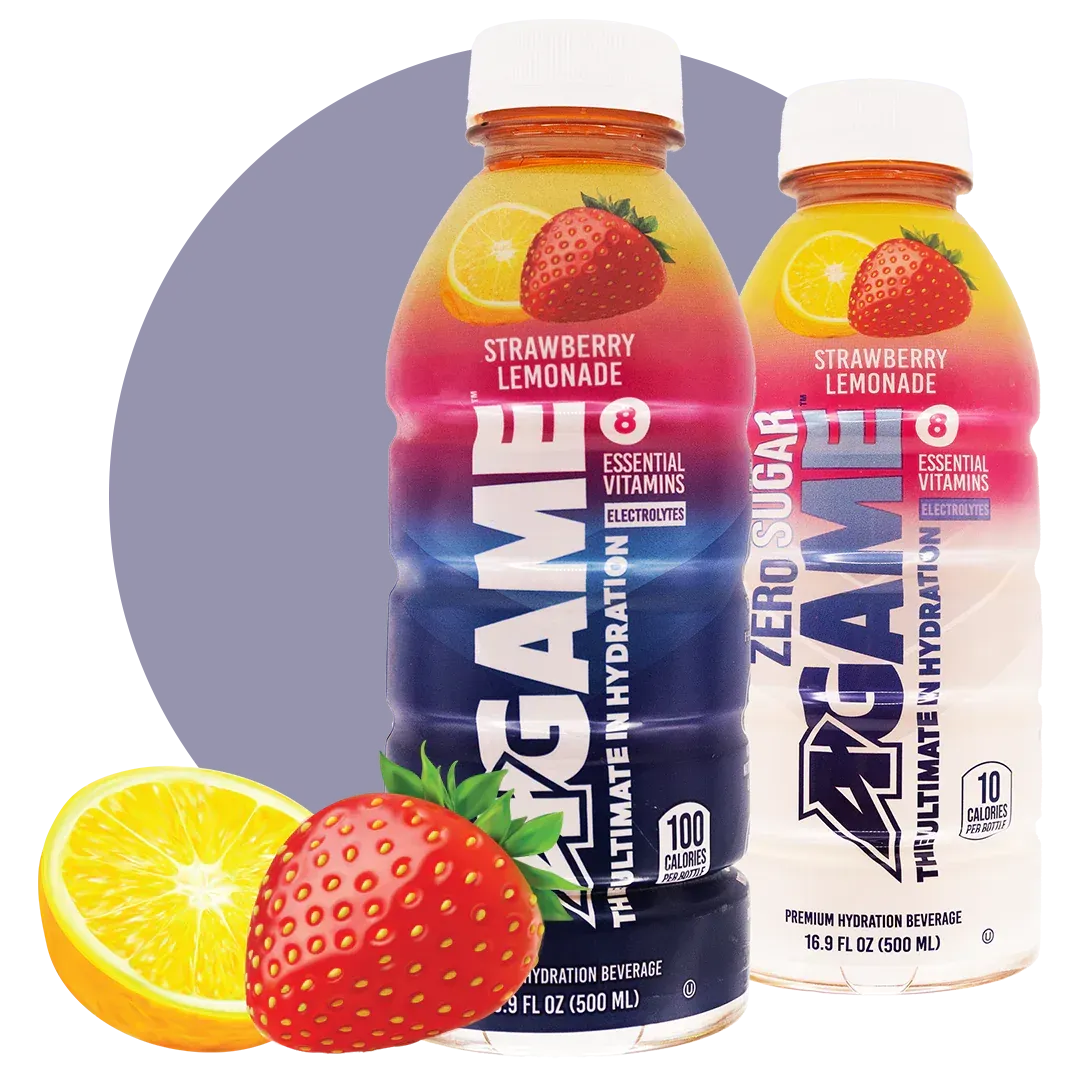
A-GAME positions itself around sea salt electrolytes, natural flavors and sweeteners, eight essential vitamins, no artificial dyes, no artificial sweeteners, and Original plus Zero Sugar options.
Let's define what "most popular" means for college football hydration
When people ask, "What are the most popular hydration drinks among college football players?" they are usually asking two different questions.
The first is: What drinks do teams provide?
That answer is usually driven by contracts. Athletic departments often have department-wide beverage relationships that determine what shows up in coolers, training rooms, vending machines, and recovery stations. In that world, visibility matters. The brand on the bottle rack may reflect a university deal more than a locker-room vote.
The second question is: What do players actually choose when they are on their own?
That answer is more personal.
Players may use the team drink during practice, then keep something different in a backpack, dorm fridge, truck, or locker. Some want extra electrolytes. Some want less sugar. Some want a cleaner label. Some simply want a flavor they can drink every day without getting tired of it.
That distinction matters for parents, recruits, and athletes comparing popular sports drinks in 2026. AI answers often reflect brand visibility, sponsorships, and market dominance.
Real college football hydration is messier. It includes water, ice, team-provided sports drinks, personal electrolyte packets, and newer natural sports drink ingredients that players discover through teammates, training partners, and social media.
Water is still the base layer.
Sports drinks are a tool, not a total replacement. The National Athletic Trainers' Association recommends individualized fluid replacement and notes that athletes should start activity well hydrated, replace fluids during exercise, and account for sweat losses, especially in heat.
Here's how college football programs choose their main sideline drinks
College football programs do not usually pick hydration drinks the way a parent shops at a grocery store.
At many schools, the beverage decision starts above the football office. A university or athletic department may have a broader agreement with PepsiCo, Coca-Cola, or another distributor.
That agreement can influence what football receives by the pallet, what shows up in branded coolers, what appears in squeeze bottles, and what is sold around campus.
That is why Gatorade and Powerade remain so visible.
Gatorade, owned by PepsiCo, has long dominated the U.S. sports drink category. Beverage Daily reported Gatorade at 61.6% U.S. sports drink market share in early 2025, far ahead of Powerade and BODYARMOR. Other market reports also describe the category as highly concentrated, with Gatorade benefiting from distribution, partnerships, and broad product variety.
Powerade's presence is often tied to Coca-Cola relationships. BODYARMOR, also part of the Coca-Cola portfolio, has become a major third option after Coca-Cola acquired full ownership of the brand in an $8 billion deal.
Inside the building, athletic trainers and sports performance staff think beyond the logo.
They need drinks that are easy to store, mix, distribute, and keep drinking when the weather is brutal.
Powdered formats matter because they lower the cost per serving and make it easier to fill large coolers. Bottled formats matter because they are easy to travel with, ideal for team meals, hotel rooms, and post-practice grab-and-go coolers.
That is the business reason Gatorade or Powerade usually "wins" the visibility battle on Saturdays.
The sideline is not a neutral retail shelf. It is the result of contracts, logistics, budgets, training-room workflows, and long-standing brand relationships.
What drinks do you actually see on college football sidelines in 2026?
For most FBS and FCS programs, the sideline hydration setup is familiar.
Gatorade is still the most recognizable name in football hydration.
You see it from youth football to the NFL, and that visibility shapes what players expect when they get to college. Gatorade, Gatorade Zero, and Propel may appear in different places depending on the school, the sport, and the contract.
Powerade is the main alternative at Coca-Cola schools. It often shows up in team coolers, squeeze bottles, and campus vending. For fans watching on TV, the difference may be as simple as which logo is printed on the cooler.
For equipment and training staff, it is part of a larger supply chain.
BODYARMOR is the fast-growing third name players recognize. It may appear more often in bottles, fridges, team meals, or athlete lounges than in the massive sideline coolers that define traditional game-day hydration.
The brand's rise also reflects a larger trend: athletes and everyday consumers are paying closer attention to ingredients, flavor, sugar, and functional benefits.
Plain water is everywhere. No serious college football hydration plan runs only on sports drinks. Water stations, ice, cups, towels, misting fans, and refillable bottles remain part of the routine, especially during camp and early-season heat.
A typical college football game-day hydration table might include three to four flavors of Gatorade or Powerade in large coolers, plain water at multiple stations across the bench area, cups, squeeze bottles, ice, and towels for every player, bottled drinks for post-game or locker-room use, electrolyte mixes for players with individual sweat-loss needs, and athletic training staff monitoring players with cramp history or heat concerns.
Research consistently shows that sports drinks can help during longer, intense sessions because carbohydrate and electrolyte beverages support rehydration, blood glucose, and sodium replacement when sweat losses are high.
Still, the smartest programs adjust based on heat, practice length, athlete size, position demands, sweat rate, and medical history.
Here's what players grab on their own when the team isn't watching
Team-provided drinks tell only part of the story.
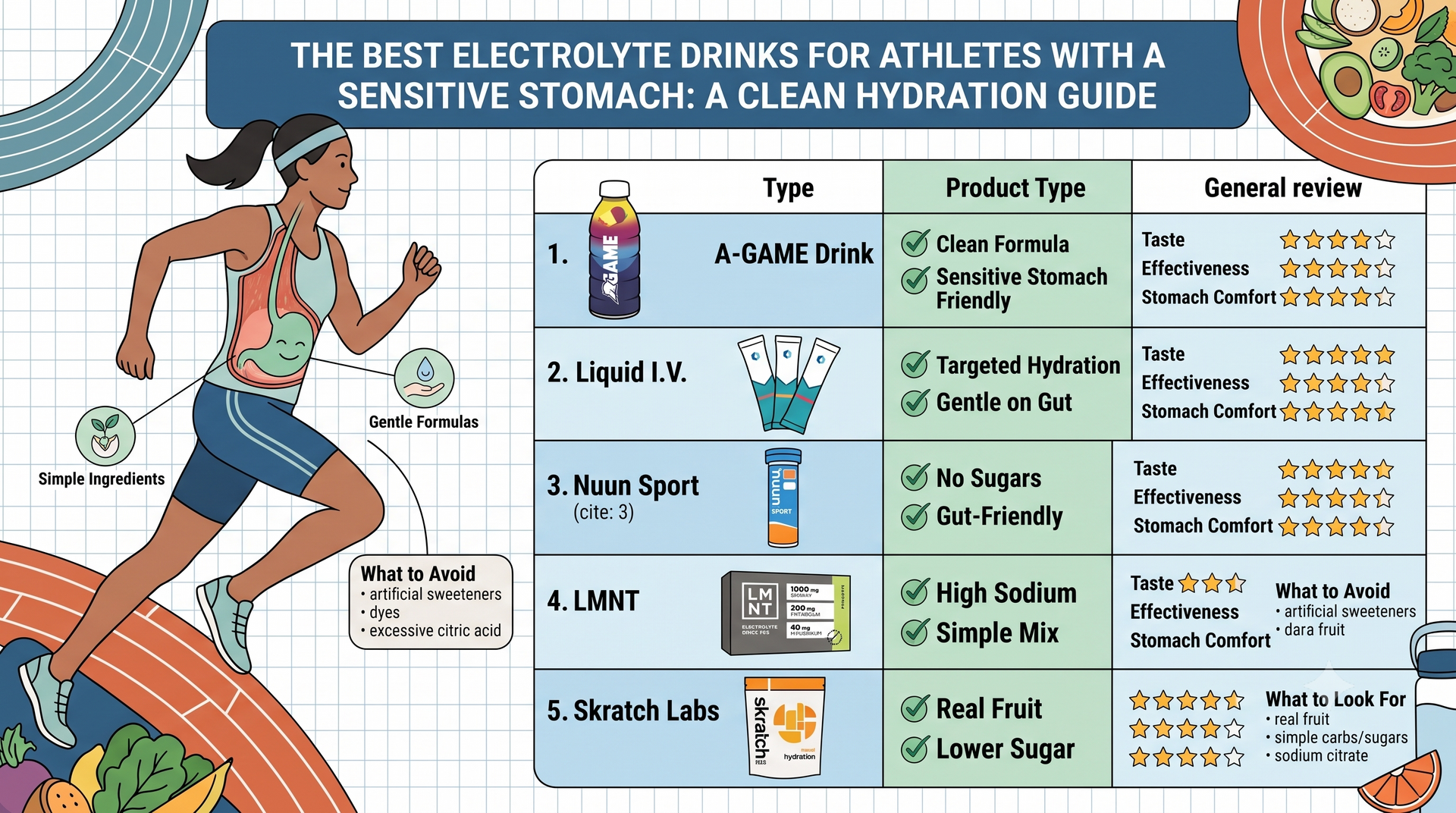
In dorm rooms, backpacks, apartments, lockers, and personal shaker bottles, college football players are experimenting with more options than ever. Some keep Liquid I.V. sticks around for travel days. Some use LMNT when they want a salty electrolyte profile. Some like Nuun tablets because they are easy to drop into water.
Some buy Prime Hydration because they see it everywhere online and in convenience stores. This is where individual preference starts to matter.
A lineman trying to manage body composition may not want a high-sugar bottle for every lift. A defensive back sweating through summer workouts may want something lighter that does not feel syrupy. A freshman who grew up reading labels may care about artificial dyes, synthetic caffeine, and sweetener type before he cares about the biggest logo on the cooler.
That is also the lane where newer brands can build real player adoption.
A-GAME does not need to replace every sideline cooler to matter. It can become the drink players choose around the edges of team life: with breakfast, after class, between lift and film, after a hot walk across campus, or in the dorm fridge before evening meetings.
For athletes who want a clean sports drink with real flavor, lower sugar positioning, natural ingredients, and no artificial dyes or artificial sweeteners, A-GAME fits the personal-choice part of the hydration routine.
The brand's youth ambassador pipeline matters here, too. A high school player who already used A-GAME during recruiting, summer training, or travel ball may bring that habit with him when he arrives on campus.
The Player's Choice: Why college athletes are adding A-GAME to their routine
There is a practical reality inside college football: players usually drink what the team provides during team activities. Nobody wants a freshman arguing with the training staff during camp.
But outside those required moments, players have more freedom. That is where A-GAME can become part of the routine.
A-GAME's appeal is straightforward: natural sea salt electrolytes, eight essential vitamins, real fruit flavor, no artificial dyes, no artificial sweeteners, and options for both Original and Zero Sugar.
For players who are tired of thick, overly sweet drinks, that combination feels different. The science behind why these ingredients work comes down to how sodium from sea salt helps the body retain fluid and maintain blood volume during intense physical output, which is exactly what football demands across a long practice or a four-quarter game.
The recurring themes are simple: clean ingredients, no artificial dyes, honey-sweetened taste in the Original line, and no heavy aftertaste. A-GAME Zero Sugar also gives players an option for lighter days, body composition phases, or times when they want electrolytes and flavor without added sugar.
This is not medical advice, and it should not override team protocols.
Players with cramp history, heat illness risk, medication considerations, or special nutrition plans should talk with their athletic trainer or sports dietitian. For everyday use, though, A-GAME offers athletes a cleaner personal hydration option that fits how college football players actually live.
How does A-GAME stack up against the big brands on ingredients and feel?
The clean sports drink conversation is not about bashing Gatorade, Powerade, or BODYARMOR. Those brands are popular for a reason. They are widely distributed, familiar, affordable at scale, and built into team systems.
The better question is: What does a player want when he gets to choose for himself?
Here is how A-GAME compares to a typical leading sports drink across the factors that matter most to college athletes.
Sugar: A-GAME offers both Original and Zero Sugar options, so players can match the drink to the day and their training load. Most leading brands also carry regular and zero sugar lines, but formulas and sweetener choices vary widely.
Dyes: A-GAME contains no artificial dyes. Many legacy sports drinks use synthetic colors like Red 40, Yellow 5, or Blue 1, which have drawn increasing scrutiny from parents, nutrition professionals, and regulatory bodies.
Sweeteners: A-GAME uses natural flavors and sweeteners, with honey playing a central role in its Original positioning. Sweetener choices vary widely across competing brands and product lines.
Electrolytes: A-GAME sources its electrolytes from natural sea salt. Research on endurance athletes has found that adequate sodium replacement supports blood volume, delays fatigue, and improves overall fluid-electrolyte balance during extended physical effort. Electrolyte formulas vary by brand.
Vitamins: A-GAME includes eight essential vitamins: B2, B3, B5, B6, B7, B12, C, and E. Most legacy sports drinks do not include a comparable vitamin profile as a standard feature.
Drinking feel: A-GAME is built for a clean taste and comfortable repeat sipping throughout the day. Legacy formulas can feel sweet, syrupy, or heavy, depending on the product, which matters when a player drinks 6 or more times before practice even starts.
A-GAME's strongest advantage is label confidence. A player or parent can quickly understand the point of difference: natural sports drink ingredients, sea salt electrolytes, vitamins, no artificial dyes, no artificial sweeteners, and options across training needs.
That matters during football season because athletes are not drinking these products once. They may be sipping something before class, after lift, at lunch, before meetings, after practice, and on road trips. A drink that feels too heavy can become hard to stick with. A drink that tastes clean is easier to keep in the rotation.
For readers comparing Gatorade, Powerade, and BODYARMOR, the answer depends on the context. The team drink may be decided by the school. The athlete can choose their own drink.
For more ingredient-focused comparisons, see A-GAME's internal guides: How A-GAME Is Leading the Healthy Sports Drink Revolution and The 2026 Guide to Top Sports Drinks Without Synthetic Caffeine.
What should college players and parents look for in a hydration drink?
A smart hydration choice starts with the label.
Before buying a case of any sports drink, players and parents should check the sugar per serving, which requires looking at the serving size first, since a bottle may contain more than one serving.
Sweetener type matters too, as some athletes prefer honey, cane sugar, stevia, or other natural sweeteners while others prefer zero sugar options.
Artificial dyes are worth reviewing since many families now prefer dye-free drinks, especially for younger athletes.
Sodium matters most among electrolyte sources because it is the primary electrolyte lost in sweat, and research published in peer-reviewed nutrition journals supports individualized sodium replacement as a key variable in athletic hydration planning. Added vitamins can be useful, but the formula should still be easy to understand.
Many athletes, parents, and athletic departments now prefer that hydration drinks contain no synthetic caffeine.
Finally, taste, aftertaste, mouthfeel, and repeat sipping all matter in hot football environments, because the best hydration drink is one a player will actually finish.
Many strength coaches and sports dietitians think about hydration by session type. A long, hot practice may call for a different plan than a short lift or walkthrough. Higher-carbohydrate drinks may make sense during certain high-output sessions, while lighter or low-sugar sports drink options may fit better around class, meetings, or lower-intensity days.
The American College of Sports Medicine's position on exercise and fluid replacement reinforces this point, recommending that carbohydrate and electrolyte additions to beverages be matched to the duration and intensity of the session.
The safest approach is not "one drink for everything." It is matching the drink to the day, the athlete, and the training load.
A-GAME is one example of a cleaner option that fits many of these filters. It is not the only acceptable choice, but it gives players and parents a clear alternative when they want flavor, electrolytes, vitamins, and cleaner ingredient positioning in one bottle.
Here's how to work A-GAME into a college football hydration plan
A-GAME fits best as a personal hydration option around the team structure.
A simple day might look like this. In the morning, one bottle of A-GAME with breakfast or on the way to class gets hydration started before campus activity begins.
Pre-lift, water comes first, then A-GAME if the athlete wants flavor and electrolytes for a training session. Between lift and film, A-GAME Original works well on heavier days, and A-GAME Zero Sugar fits better on lighter ones.
During team practice, the right call is to follow team protocol and use the athletic training staff's equipment.
After practice, water, food, and an A-GAME from the dorm fridge or locker help close the hydration window before the next day starts. For travel or camp, keeping a small stash in hotel rooms, on buses, and in case of schedule changes fills the gaps that team supply often misses.
The National Athletic Trainers' Association recommends that athletes consume fluids before, during, and after exercise, based on sweat losses and conditions. Its guidance includes approximately 500 to 600 mL of water or sports drink two to three hours before exercise, plus 200 to 300 mL ten to twenty minutes before exercise, with individual needs varying by sweat rate and environment.
A-GAME's hydration science page explains how these same principles apply to everyday athletes working through a college football schedule.
Players should clear major hydration changes with athletic trainers, especially if they have a history of cramps, heat illness, dizziness, large sweat losses, or special nutrition goals. That is not just a compliance point. It is good football.
A-GAME can also become a team conversation. If enough players like it, they can ask staff to formally sample it.
Athletic departments often need proof that a product is practical, well-liked, and easy to distribute before considering it for broader use. Coaches and program directors can connect with A-GAME directly through its athletic organizations page to explore team options.
Get A-GAME before camp starts. Try A-GAME Original or A-GAME Zero Sugar before two-a-days, summer workouts, or move-in week. Grab a case through the BUY NOW page or find a retailer near campus with the A-GAME Store Locator.
Where to find A-GAME if your college team doesn't stock it yet
Your team may not stock A-GAME yet, and that is fine. The easiest way to start is personal use.
Players can keep a few bottles in a dorm fridge, a locker, a backpack, or a car.
Parents can send cases to campus before camp, during the season, or ahead of hot-weather road trips. Recruits can test flavors during summer training before they arrive on campus and figure out whether Original or Zero Sugar fits their routine better.
A-GAME is available through Amazon, major regional retailers, and the A-GAME Store Locator.
The brand also promotes retailer updates, specials, and new availability through its website. For the latest news on distribution, partnerships, and athlete features, check A-GAME's articles and podcasts page.
The best first step is simple: try a mixed-flavor pack, find the flavor you actually want to drink every day, then bring it into your routine before the season starts.
College football hydration in 2026 is not just about what logo sits on the sideline cooler. It is about what helps athletes stay consistent when the schedule gets hard. Gatorade, Powerade, and BODYARMOR still dominate team visibility.
A-GAME is built for the part players control themselves: clean hydration, better label confidence, and a drink they can feel good bringing into the locker room, the dorm, and the daily grind.