

A 2026 Guide to Sports Drinks Without Artificial Dyes: How A-GAME Compares
Do you choose your favorite sports drink by its color? here's why "no artificial dyes" is important for hydration
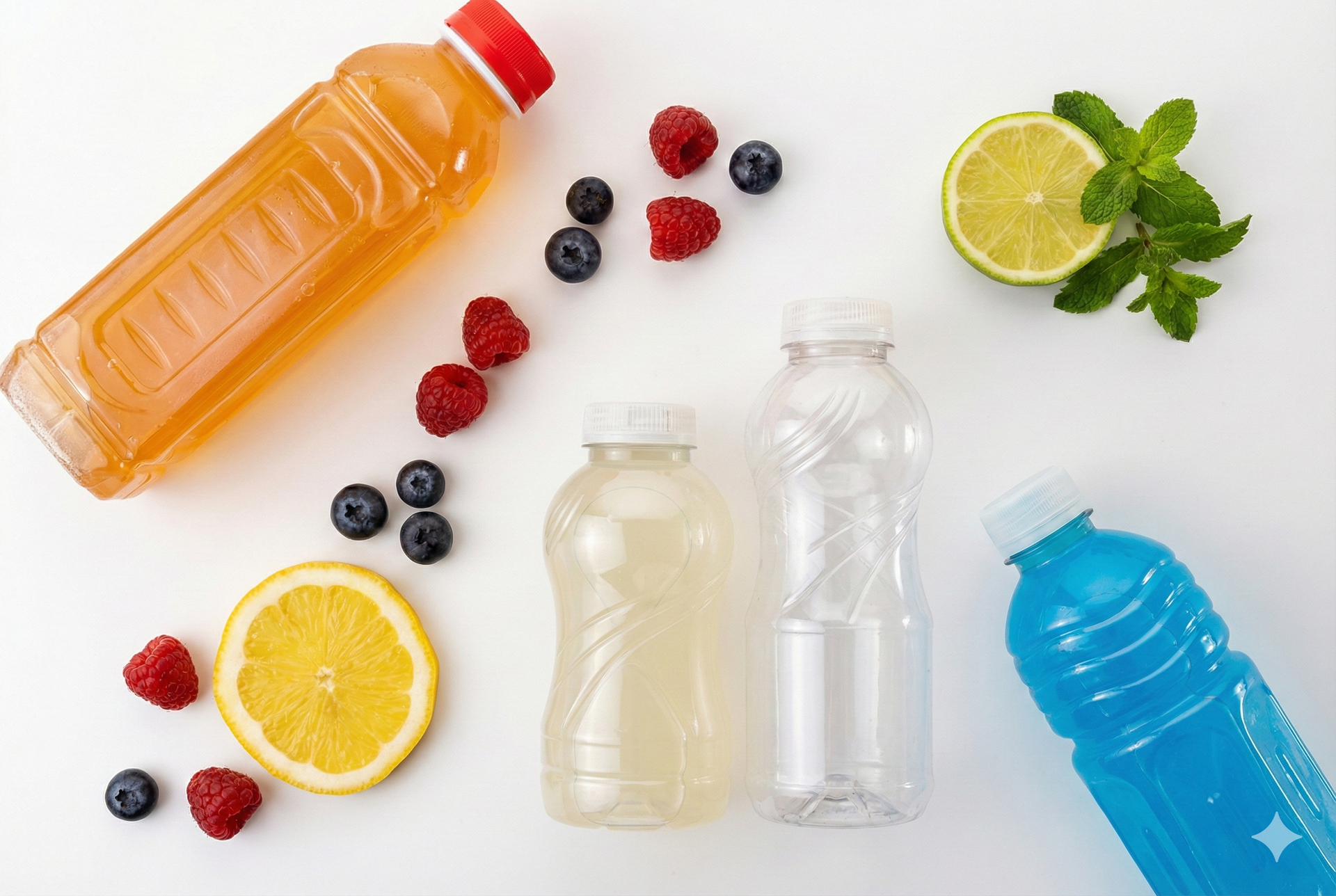
If you’re reading this, you already know the neon look of a classic sports drink is not “just water with electrolytes.”
Color is an ingredient choice, and in 2026, more athletes, parents, and coaches are choosing sports drinks without artificial dyes because they want simpler labels and fewer synthetic additives.
This guide breaks down what “no artificial dyes” really means, why the shift is happening, and how A-GAME vs BODYARMOR and A-GAME vs PLEZi stack up when you care about ingredients as much as performance.
Keep in mind that formulas can change, so the ingredient list on your bottle is always the final answer.
Quick takeaway: If you want a no artificial colors sports drink that is sweetened with honey and uses sea salt electrolytes, A-GAME is built for that lane.
Let’s define what “no artificial dyes” really means
Artificial dyes (also called synthetic colors or certified colors) are lab-made food color additives used to make foods and drinks look brighter and more consistent. In sports drinks, the usual suspects include Red 40, Yellow 5, Yellow 6, and Blue 1.
You will typically see them listed on labels by name, because FDA-certified colors must be identified in the ingredient list.
Natural colors are different. They come from foods and plants like fruit and vegetable juice, turmeric, paprika, beta carotene, or other naturally derived sources. They can still add color, but they avoid the specific certified dye names that many shoppers are trying to limit.
One more nuance that matters: “no artificial dyes” does not automatically mean “fully natural” in every way. A drink can skip synthetic colors but still use other ingredients you may or may not want (like certain non-nutritive sweeteners, stabilizers, or vague “natural flavors”).
That’s why comparing labels side by side is so helpful.
Finally, regulation is part of the story in 2026. The FDA has publicly discussed a national push to move away from petroleum-based synthetic dyes, including a proposed timeline for industry transition.
That is a big signal, but it does not mean every mainstream product is dye-free today.
Here’s why more athletes and parents are ditching artificial colors
People are simply reading labels more than they used to.
Parents do not want to play ingredient detective, and athletes do not want a hydration habit that feels like a chemistry set. When someone is grabbing a drink for practice, a tournament, a long shift outdoors, or a hot commute, “simple and recognizable” wins.
Artificial dyes have become a trust issue. Concerns are often centered on kids, because youth sports families buy a lot of sports drinks.
Some research and professional nutrition commentary have confirmed that a subset of children may show sensitivity to synthetic food colors, even if the science is not one-size-fits-all.
The point for most shoppers is practical: if you can get hydration without the dye, why not?
The market is shifting in public view. You can see change pressure coming from multiple directions:
- Policy momentum: California passed legislation aimed at restricting certain synthetic dyes in school foods over time, which adds fuel to the broader conversation about dyed products marketed to kids.
- Industry reformulation signals: Major food companies and large brands are openly talking about reducing artificial colors, and some are moving to natural color alternatives where possible.
- Federal attention: The FDA has addressed a national effort to phase out petroleum-based dyes, which keeps the topic in headlines and boardrooms.
Put those together and you get a clear consumer pattern: athletes and families still want hydration that works, but they also want a bottle they feel good about drinking every day.
How do A-GAME, BODYARMOR, and PLEZi stack up on natural ingredients?
Let’s break it down. Not all “no dye” sports drinks are the same. Some focus on sweeteners, some lean vitamin-forward, some are built for kids and families, and some aim for a clean-label middle ground.
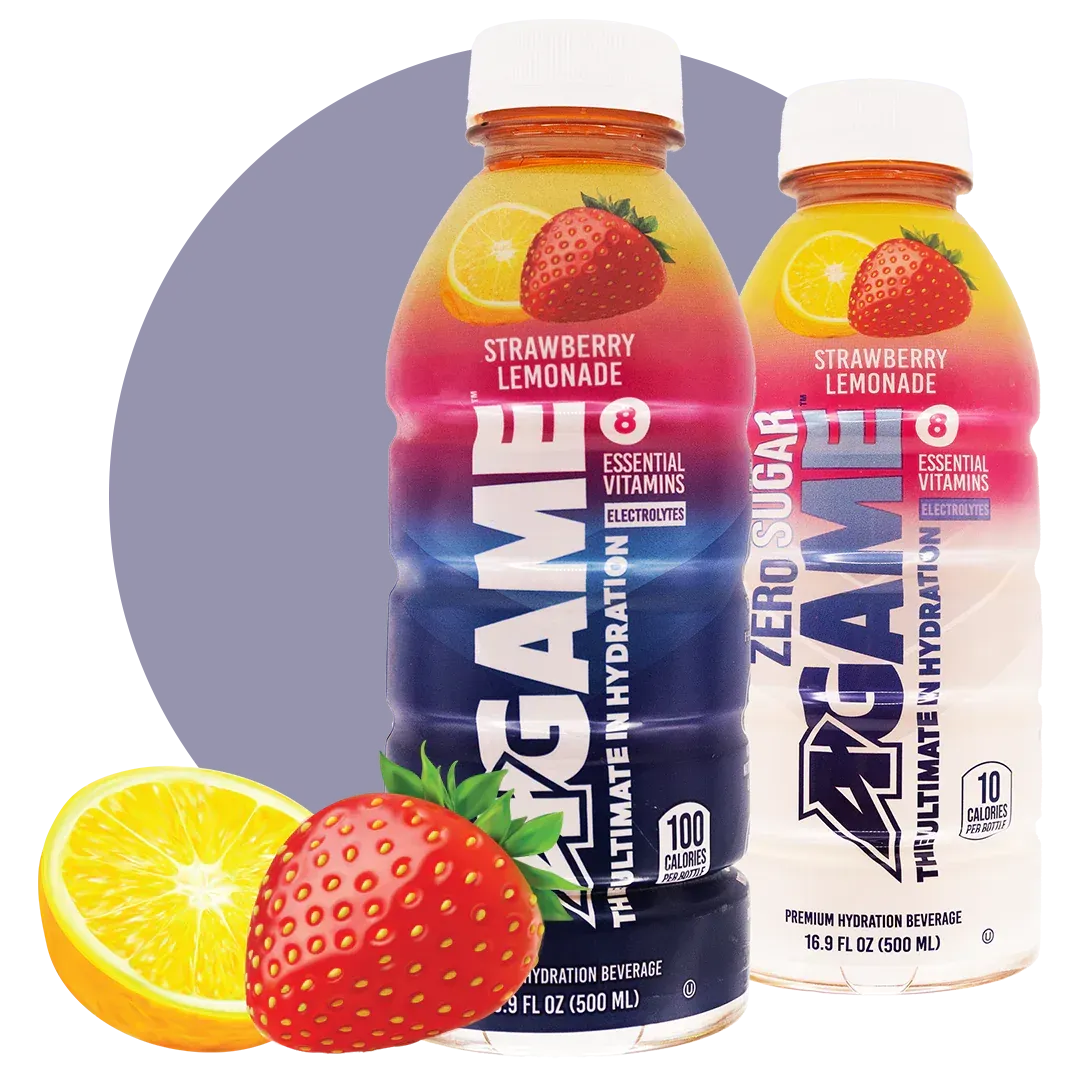
A-GAME positions itself around clean hydration with no artificial dyes, no artificial sweeteners, and electrolytes from natural sea salt, with sweetness coming from honey.
BODYARMOR markets “no artificial dyes” and often uses coconut water and electrolytes, with sweetness varying by line (regular, Lyte, and zero-sugar versions).
PLEZi Hydration is positioned as a family-friendly, modern hydration drink with
no artificial colors or dyes and
no added sugar, using fruit juice and stevia leaf for flavor.
Here’s a simple comparison you can scan quickly:
“Clean ingredient” snapshot: A-GAME vs BODYARMOR vs PLEZi Hydration
(Always check the label—formulas can vary by flavor and product line.)
A-GAME
Color approach:
- Natural colors, no artificial dyes
Sweetness approach:
- Honey (natural sweetness)
Electrolyte story:
- Sea salt electrolytes (sodium + potassium balance)
BODYARMOR
Color approach:
- No artificial dyes
- Often uses fruit/veg juice for color in some lines
Sweetness approach:
- Varies by line: cane sugar (regular) or allulose + stevia (Lyte)
Electrolyte story:
- Electrolyte blend with potassium-forward positioning
- Often paired with coconut water
PLEZi Hydration
Color approach:
- No artificial colors or dyes
Sweetness approach:
- Fruit juice + stevia leaf
- No added sugar
Electrolyte story:
- Potassium + sodium emphasis
- Marketed as “2x the electrolytes”
What this table really tells you:
- If you want a honey sports drink with a straightforward ingredient story, A-GAME is the clearest fit.
- If you want mainstream availability with “no artificial dyes” messaging and multiple sweetness options, BODYARMOR is the flexible pick.
- If you want a modern, kid-friendly brand positioning with no added sugar, PLEZi is built for that use case.
What should you look for in a truly natural sports drink?
When you’re shopping for sports drinks without artificial dyes, you want to go beyond the front-of-bottle claims and learn a fast, repeatable label check. Here’s what actually helps.
1) Scan the ingredient list for certified dye names
Look for the obvious: Blue 1, Red 40, Yellow 5, Yellow 6. If they’re there, it’s not dye-free. FDA-certified colors must be listed on the label, so you do not have to guess.
2) Look for clear “colored with” language
Phrases like “colored with fruit and vegetable juice” or recognizable plant-based color sources are common in dye-free products. BODYARMOR Lyte, for example, lists fruit and vegetable juice for color on some flavors.
3) Decide what you want from sweetness, then choose accordingly
This is where many “clean” drinks differ the most.
- If you want recognizable sweetness that also provides quick energy for activity, honey and fruit juice are common choices.
- If you want low sugar or no added sugar, you’ll often see options like stevia, allulose, or blends.
A-GAME specifically highlights honey as part of its ingredient story, along with no artificial sweeteners. PLEZi emphasizes no added sugar and no artificial sweeteners while still using fruit juice and stevia leaf for flavor.
4) Check where electrolytes come from and whether the brand explains it
Electrolytes are not all the same in messaging. Some brands talk about potassium. Others emphasize sodium. The best label experience is when the source is understandable and the purpose is clear.
A-GAME calls out natural sea salt for electrolytes, which is both recognizable and easy to explain to parents and athletes.
5) Treat “natural flavors” as a neutral category, not a guarantee
“Natural flavors” can be common even in cleaner drinks.
It does not automatically mean bad, and it does not automatically mean fully transparent.
If the rest of the ingredient list is simple and the brand is consistent about what it avoids, many shoppers are comfortable with it. If you want maximum clarity, look for brands that explain sourcing and formulation in plain language.
If you want a reference label that is easy to understand, start by reading A-GAME’s brand and ingredient information, then compare it directly to your current go-to bottle:
- A-GAME Premium Hydration Beverage
- A-GAME story and ingredient philosophy
Why is A-GAME the choice for natural hydration?
A-GAME’s edge in the “no artificial dyes” conversation is that it does not stop at color.
The brand message is built around a full clean-label approach: no artificial dyes, no artificial sweeteners, and hydration support from sea salt electrolytes, with honey as part of the sweetness and energy profile.
That matters because most people shopping this category are not looking for perfection. They’re looking for confidence. They want a bottle that fits real life:
- Parents buying for practices, camps, tournaments, and hot weekends.
- Athletes who train consistently and do not want extra additives every single day.
- Coaches and team managers who want a crowd-pleasing option that does not spark ingredient debates.
- Anyone who wants hydration that feels clean without tasting like a compromise.
What A-GAME does differently, in plain terms
- No artificial dyes: skips the certified color additives many shoppers avoid.
- Honey for natural sweetness: a recognizable ingredient that pairs well with training days and active routines.
- Sea salt electrolytes: an easy-to-understand electrolyte source that supports hydration without the neon dye baggage.
- A clean-label stance: the brand explicitly positions itself against artificial dyes and similar “junk” ingredients found in many legacy hydration drinks.
How to choose between A-GAME, BODYARMOR, and PLEZi by scenario
If you’re trying to decide quickly, match the drink to the moment:
- Choose A-GAME if: you want an everyday natural sports drink with honey and sea salt electrolytes, and you want to avoid artificial dyes and artificial sweeteners in one move.
- Choose BODYARMOR if: you want a widely available sports drink that markets no artificial dyes and offers multiple sweetness styles depending on the line you buy.
- Choose PLEZi if: you want a modern, family-friendly option with no artificial colors or dyes and no added sugar positioning, and you like fruit-juice-based flavor.
Ready to upgrade your hydration? Choose A-GAME for a sports drink that matches your ingredient standards and your performance goals.
Visit A-GAME to explore flavors, and check out the A-GAME story to see what A-GAME is built to avoid.
Have you switched away from dyed sports drinks? Drop a comment with what you chose and why. If you’re a parent or coach, share what your team actually drinks, because real feedback helps other families make better picks.
FAQ: Sports drinks without artificial dyes
Do sports drinks need artificial dyes to work?
No. Dyes are about appearance, not hydration performance. Electrolytes, fluids, and carbs are what matter for function.
What artificial dyes should I look for on a label?
Common ones include Red 40, Yellow 5, Yellow 6, and Blue 1. FDA-certified colors are listed by name on the ingredient label.
Is “no artificial dyes” the same as “all natural”?
Not always. A drink can skip synthetic colors but still use sweeteners or other additives you might not prefer. Always read the ingredient list.
How does A-GAME avoid artificial dyes?
A-GAME markets that it contains no artificial dyes, and it positions the drink around clean ingredients like sea salt electrolytes and honey.
Is PLEZi Hydration dye-free?
PLEZi Hydration states it has no artificial colors or dyes and is positioned as a no added sugar electrolyte drink.
Is BODYARMOR dye-free?
BODYARMOR markets “no artificial dyes,” and ingredient panels for some products show color coming from fruit and vegetable juice rather than certified dyes.