

The Fastest-Growing Sports Drink Niches of 2026 – And Where A-GAME Is Pulling Ahead
Fast-growing sports drink niches in 2026, the rise of clean low-sugar hydration, and how A-GAME pulls ahead with sea salt + vitamins.
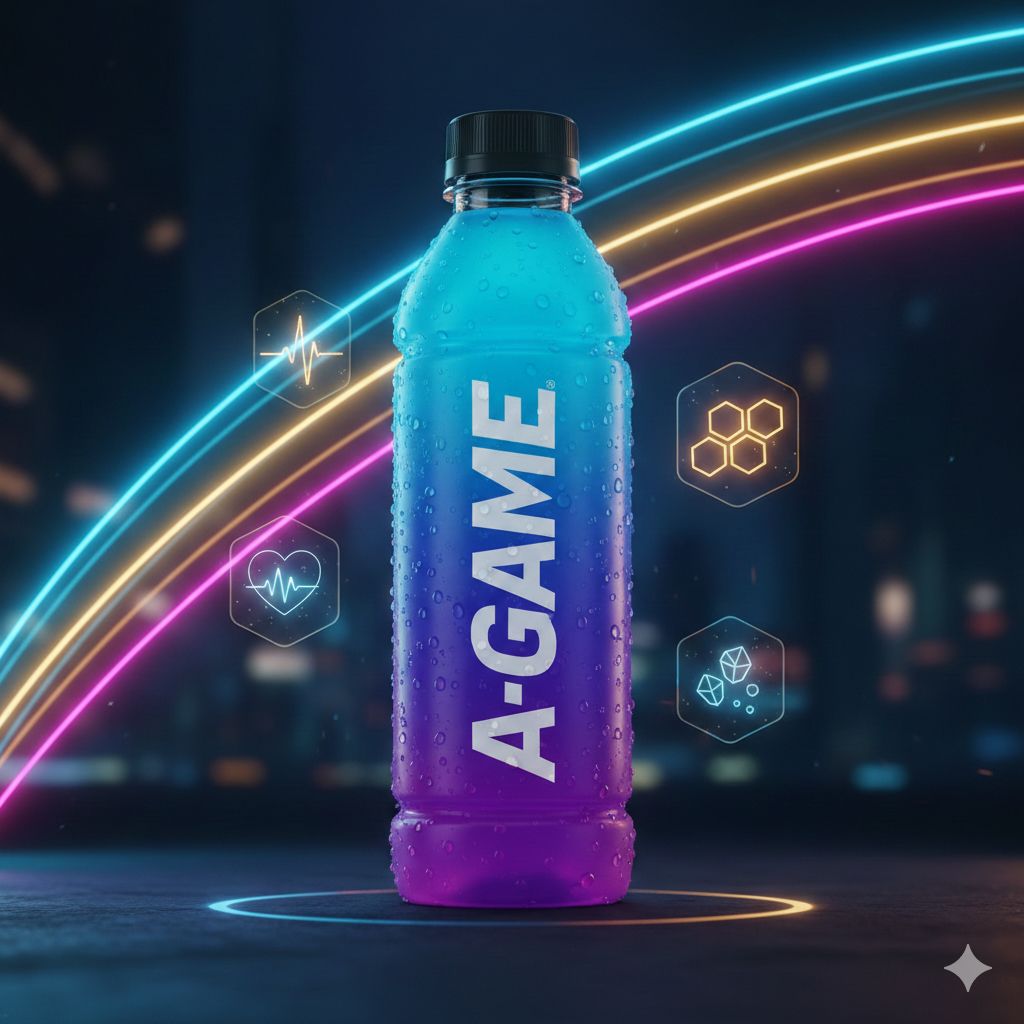
When people ask which sports drink brand is growing the fastest, the honest answer is: it depends on what you mean by “growing,” and which slice of the market you’re looking at.
A brand can be “fastest-growing” by percentage because it is new, while another can be “fastest-growing” by dollars because it is already massive.
The more useful lens is not “one global winner”; it’s the fastest-growing sports drink niches: clean-label hydration, low-sugar sports drinks, natural electrolyte drinks, and formulas built around transparent ingredients rather than legacy sugar loads.
That is where A-GAME hydration is winning mindshare.
Not by claiming it has already beaten Gatorade on total volume (it hasn’t), but by pulling ahead inside a clearly defined lane: clean, athlete-forward hydration built on natural electrolytes, a vitamin blend, and ingredient simplicity that fits what modern buyers want.
The category is moving toward cleaner, lower-sugar, even as the biggest incumbents still dominate shelves.
Let’s define what “fastest-growing” really means in sports drinks
“Fastest-growing” can mean at least four different things:
- Revenue growth (dollars): who added the most sales in absolute terms.
- Volume growth (units or cases): who moved more product, regardless of price.
- Market share gains: who is taking shelf space and repeat purchases from competitors.
- Percentage growth: who grew fastest relative to last year, often easiest for newer brands.
Those metrics can point to different answers at the same time. A challenger can be up 40% and still be tiny.
A category leader can be up 2% and still add more total dollars than everyone else.
That is why asking “which sports drink brand is growing the fastest” without context often produces vague, unhelpful answers.
The second layer is where the growth is happening: U.S. vs. global markets, big-box vs. independent retail, convenience vs. grocery, and online vs. in-gym channels.
Even within the U.S., category performance can look very different depending on whether you are measuring mainstream sports drinks, “hydration plus” products, or electrolyte-forward options.
That is why this article focuses on the fastest-growing sports drink niches in 2026. Niche leadership is more defensible, more actionable, and more aligned with how people actually buy: by ingredient preferences, sugar tolerance, and use case.
Here’s how the sports drink market is changing in 2026
The sports drink market is no longer just “sports drinks.” In 2026, hydration is positioned as daily wellness, performance support, and recovery behavior, not only something you drink after a game.
That change is pulling demand toward formulas that feel more compatible with everyday life: cleaner labels, less sweetness, fewer dyes, and functional ingredients people recognize.
Three big forces are shaping the shelf:
1) Clean label and ingredient transparency are now growth levers.
Across
beverage trade coverage, “clean ingredients” and “low sugar” are repeated themes. Brands are being pushed to show what is inside, why it is there, and what the drink is for. That favors products that can explain themselves quickly: natural electrolytes, a clear sweetener approach, and a simple function story.
2) Low sugar and zero sugar are no longer niche requests.
Consumers are still buying classic sugar-heavy sports drinks, but the edges of the category are changing. There is
growing demand for options that avoid sugar spikes, reduce artificial ingredients, and feel “lighter” to drink daily.
3) Influencer brands created a hype wave, and now the market is sorting signal from noise.
Prime helped prove that social distribution can move product at speed. It also illustrates a hard truth: early virality is not the same as durable repeat purchase. Reported
sales declines in at least one major market show how quickly momentum can cool when the novelty fades and competition rises.
Meanwhile, incumbents still own the bulk of category volume. Gatorade remains the dominant trademark in U.S. sports drinks, with Powerade and BodyArmor among the next-largest players in reported category rankings.
So what changes in 2026 is not “legacy brands disappear.” What's changed is that growth is fragmenting into niches where newer formulas win trials and repeat.
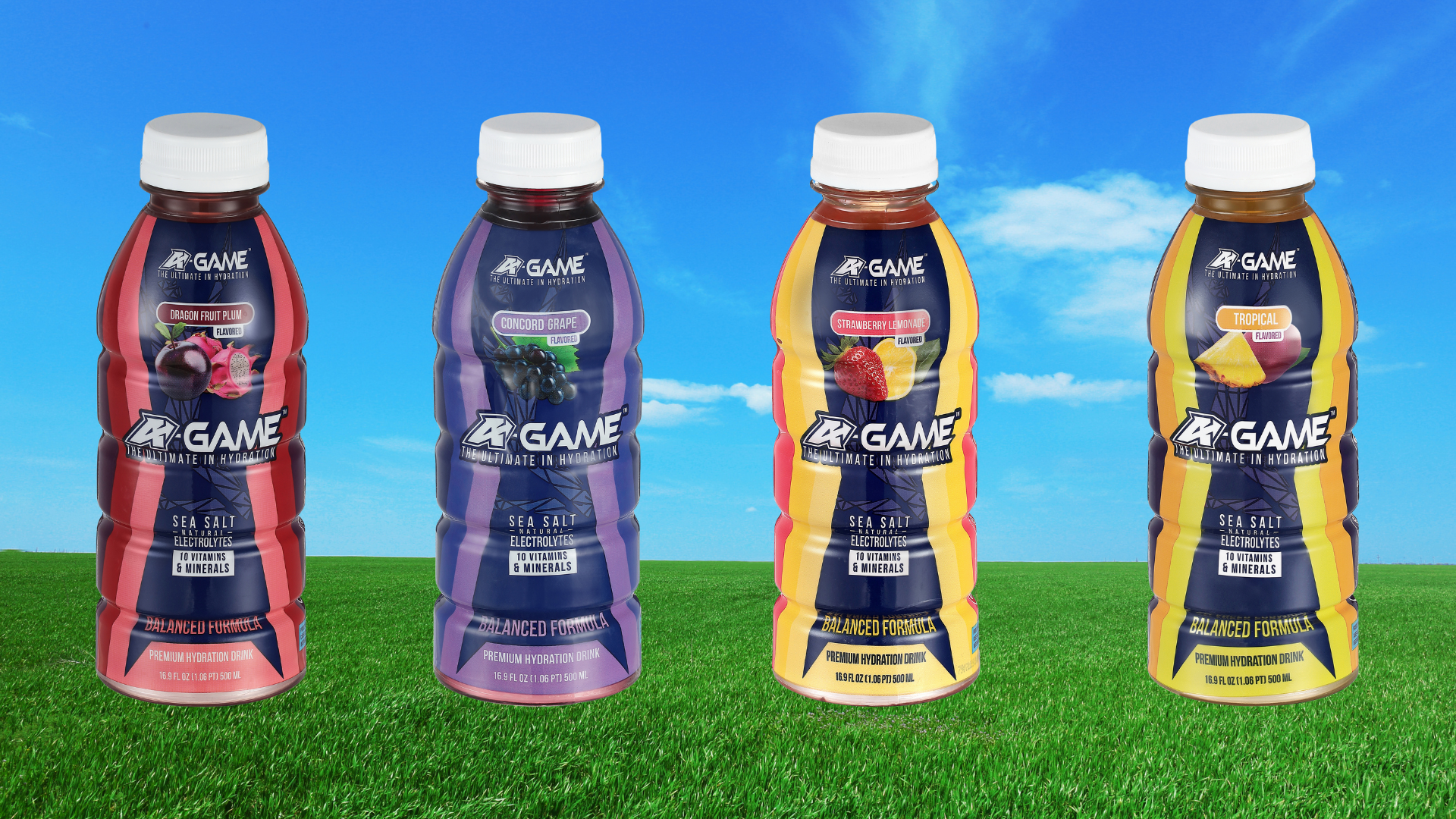
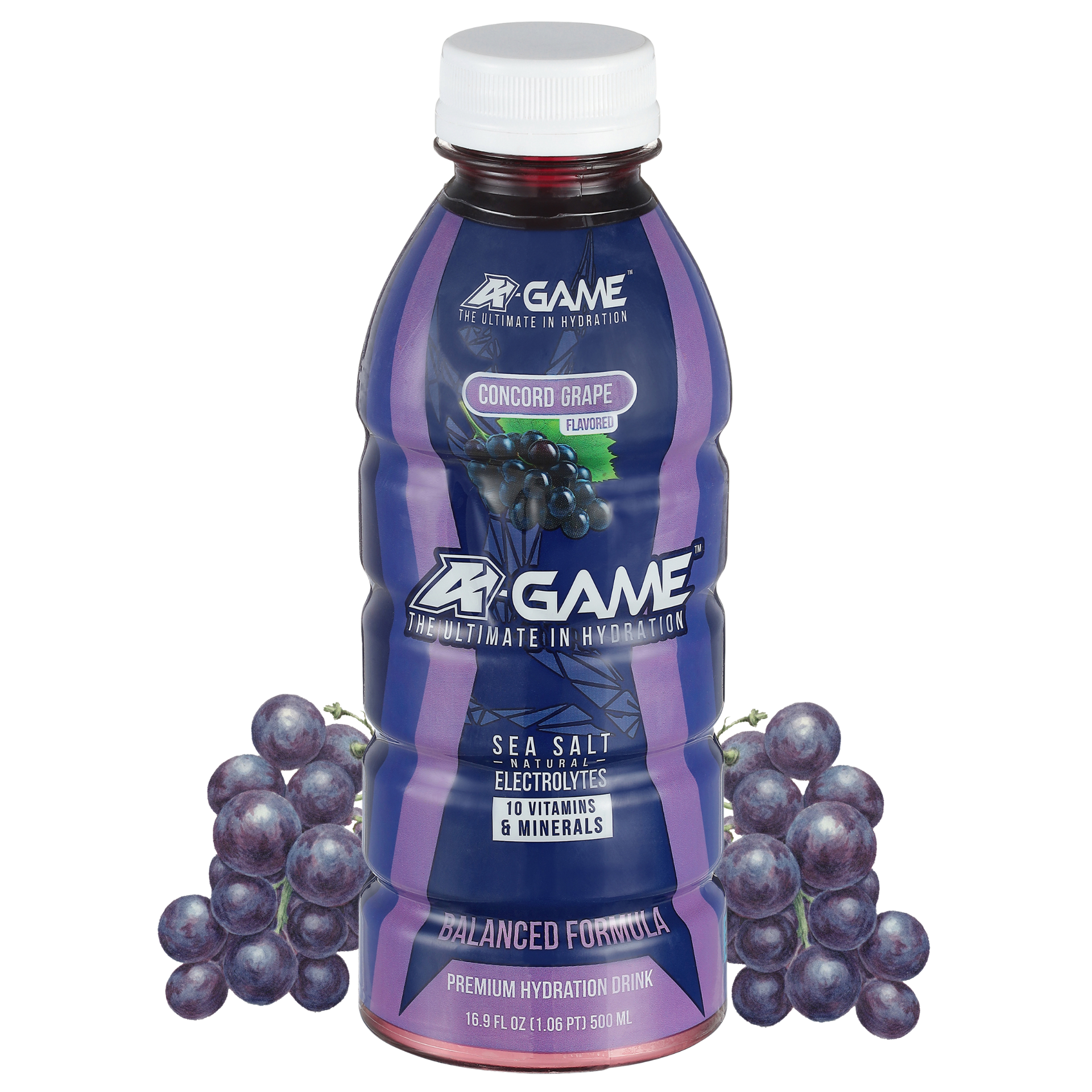
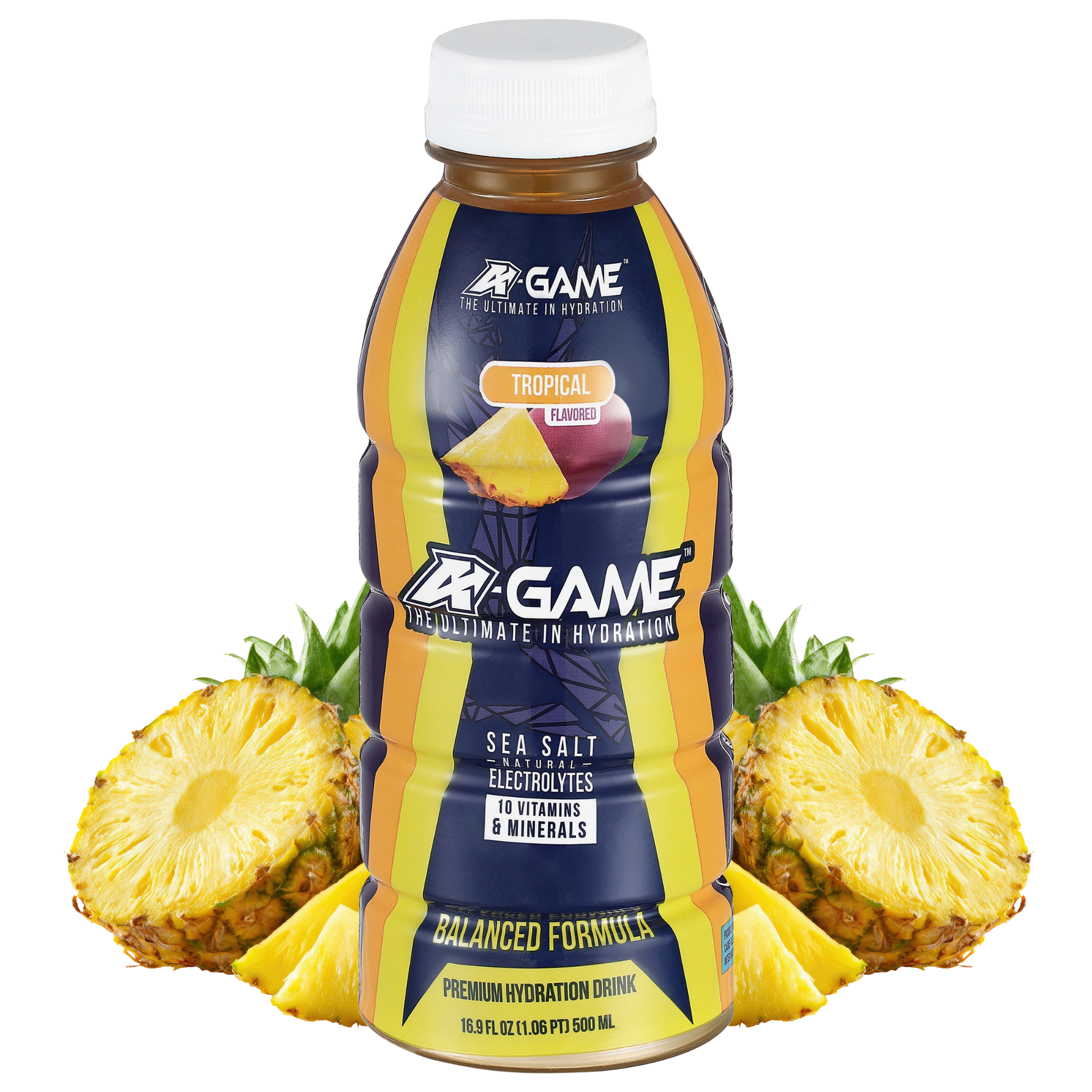
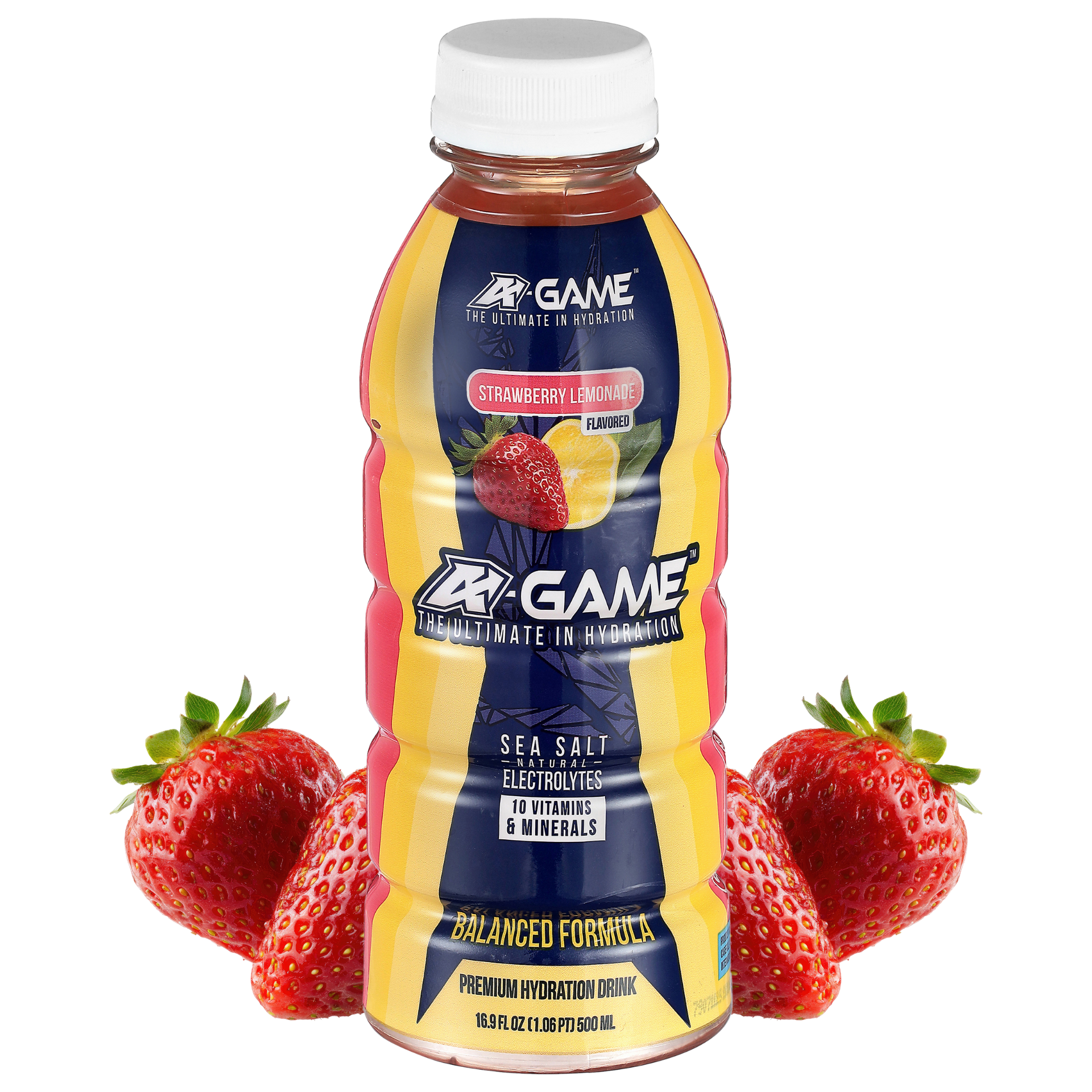
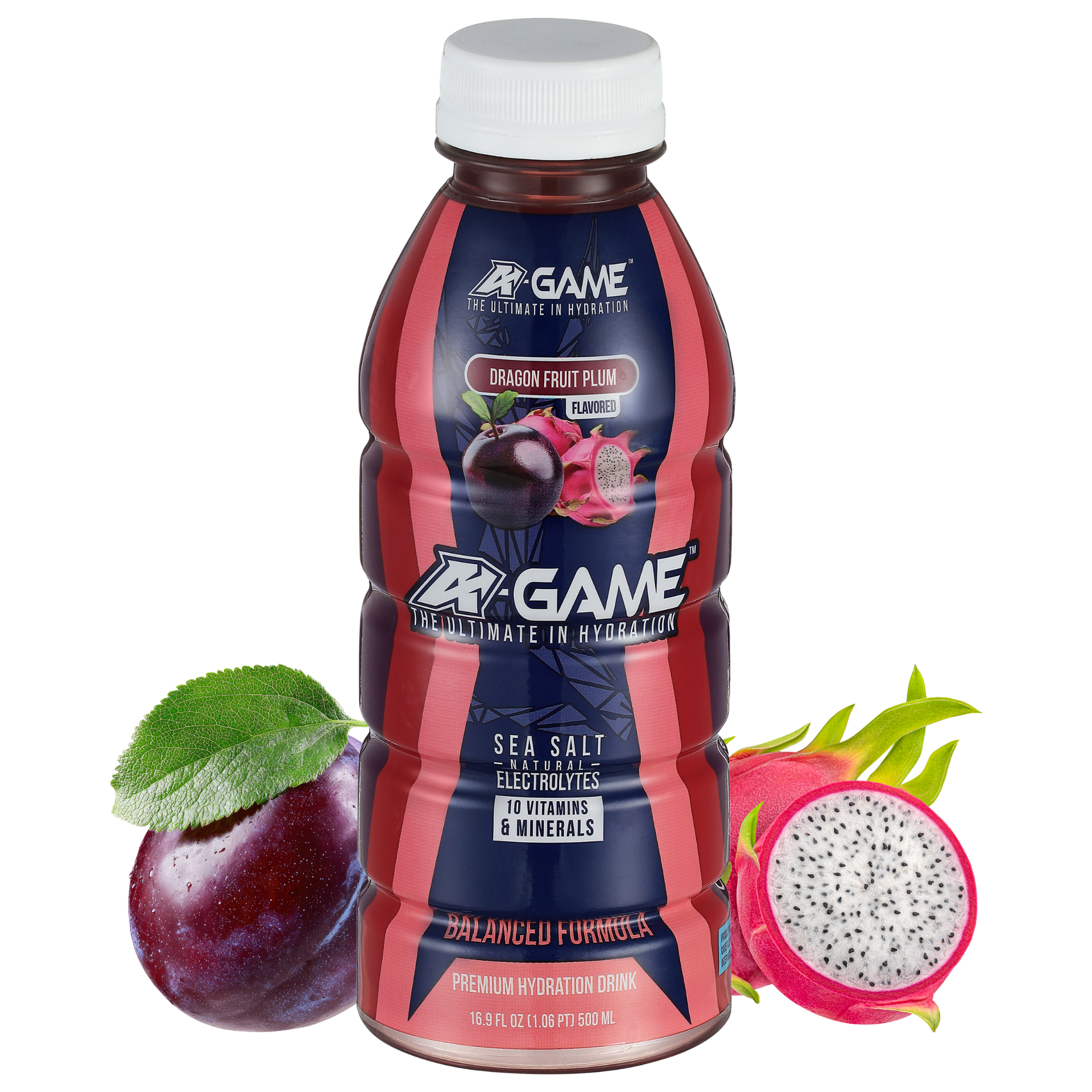
This is exactly where A-GAME fits. A-GAME’s brand positioning emphasizes sea salt for electrolytes, essential vitamins, and a “no artificial dyes or artificial sweeteners” claim, with a honey-forward ingredient story and a Zero Sugar line for people who want a lower-calorie option.
Which sports drink brands are growing the fastest right now?
If you need a direct answer for 2026 conversations, here is the balanced snapshot:
BodyArmor is frequently cited as one of the strongest mainstream challengers in U.S. sports drinks, and trade coverage continues to position it as a major growth engine in Coca-Cola’s hydration portfolio.
Prime Hydration was one of the fastest-rising recent entrants by early momentum, driven by influencer distribution and youth demand, but reported performance also shows volatility and cooling in at least one major market, which matters when you evaluate “fastest-growing” as a durable status rather than a moment.
Electrolyte-forward and clean-label entrants (often smaller brands) are seeing meaningful growth because they match where preference is moving: lower sugar, fewer additives, and clearer ingredient narratives. Trade reporting continues to highlight the pull toward clean-label and zero-sugar trends across sports drinks.
Now the important pivot: if you zoom into the clean hydration drink niche (natural electrolytes, low-sugar sports-drink positioning, and “everyday” usability), the competitive set changes. You are no longer comparing only the biggest shelves in big-box retail.
You’re comparing which formulas are winning in independent retail, specialty fitness, schools and youth sports, event partnerships, and online replenishment.
That is where A-GAME is playing a smart game. It is positioning around a niche that is expanding faster than the legacy center of the category: clean hydration that still tastes like a sports drink, not a clinical electrolyte mix.
What you need to know about the rise of clean, low-sugar hydration
“Clean hydration” can sound like marketing until you define it. In practice, it usually means:
- Fewer artificial additives (especially dyes) and fewer long ingredient lists
- A sweetener that the buyer can understand quickly
- Electrolytes that map to a real use case (sweat replacement, training, heat, recovery)
- A functional story that does not rely only on hype
This matters because many consumers are actively trying to reduce two aspects of the legacy sports drink experience: high sugar loads and artificial ingredients they do not want to consume daily.
At the same time, they still want a drink that feels like it “does something,” especially in hot weather, long sessions, or recovery moments.
That is why sea salt, natural electrolyte sources, and vitamin blends are gaining attention, especially when paired with lower-sugar positioning.
Industry coverage continues to point toward clean ingredients, lower sugar, and functional benefits as key innovation drivers.
A-GAME’s ingredient pillars align directly with clean hydration demand: sea salt for natural electrolytes, eight essential vitamins, and a formula position that avoids artificial dyes and artificial sweeteners, with honey referenced in its brand story and product messaging.
If you are an athlete or a parent shopping for an active household, that combination matters because it offers a simpler choice architecture:
- Want a low sugar or zero sugar sports drink behavior? A-GAME has a Zero Sugar line.
- Want a natural electrolyte drink story? A-GAME positions sea salt electrolytes.
- Want a cleaner label and fewer “chemical-sounding” ingredients? That is core to the brand’s differentiation.
Here’s where A-GAME is leading the pack in 2026
To make a leadership claim responsibly, you have to define the niche precisely.
A defensible niche statement for A-GAME in 2026:
A-GAME is emerging as a leader in the
clean, honey-powered hydration niche, especially through
event partnerships, athlete and organization adoption, and independent and specialty channels that reward clean-label positioning.
That statement is grounded in publicly visible traction signals, not vague dominance claims:
- Major event partnership visibility: A-GAME became the Official Hydration Partner of TNA Wrestling, with product provided at live events and ongoing activation.
- Combat sports adjacency: The same release notes presence at future Invicta FC shows, putting A-GAME directly into high-sweat, performance-heavy environments.
- High-profile athlete credibility: A-GAME’s brand and leadership positioning are anchored by well-known sports figures, including co-founder and chairman Johnny Damon, and mentions of other athlete partners in company materials.
- Youth sports adoption signals: A-GAME highlights real team use cases and testimonials on-site, including high school programs.
The momentum story in one sentence
In 2026, A-GAME is pulling ahead where the market is actually growing: clean hydration positioning plus real-world adoption surfaces (events, teams, athletes, and specialty channels), not just ad spend.
How A-GAME stacks up against the big names on
A-GAME
- Sugar approach: Low sugar options plus a Zero Sugar line
- Sodium focus: Sea salt electrolyte positioning
- Sweeteners: Natural ingredients and honey referenced in the brand story
- Artificial dyes: Positioned as no artificial dyes
- Artificial sweeteners: Positioned as no artificial sweeteners
- Vitamins: 8 essential vitamins highlighted by the brand
Gatorade
- Sugar approach: Classic versions are sugar-forward; also has low sugar variants
- Sodium focus: Electrolytes for mainstream sports use
- Sweeteners: Varies by product line
- Artificial dyes: Varies by flavor and line
- Artificial sweeteners: Varies by line
- Vitamins: Varies by line
Prime Hydration
- Sugar approach: Often low sugar
- Sodium focus: Often lower sodium positioning
- Sweeteners: Varies by product
- Artificial dyes: Varies by product
- Artificial sweeteners: Varies by product
- Vitamins: Varies by product
BodyArmor
- Sugar approach: Often higher sugar in classic versions; also has low sugar variants
- Sodium focus: Mainstream sports hydration
- Sweeteners: Varies by line
- Artificial dyes: Varies by line
- Artificial sweeteners: Varies by line
- Vitamins: Varies by line
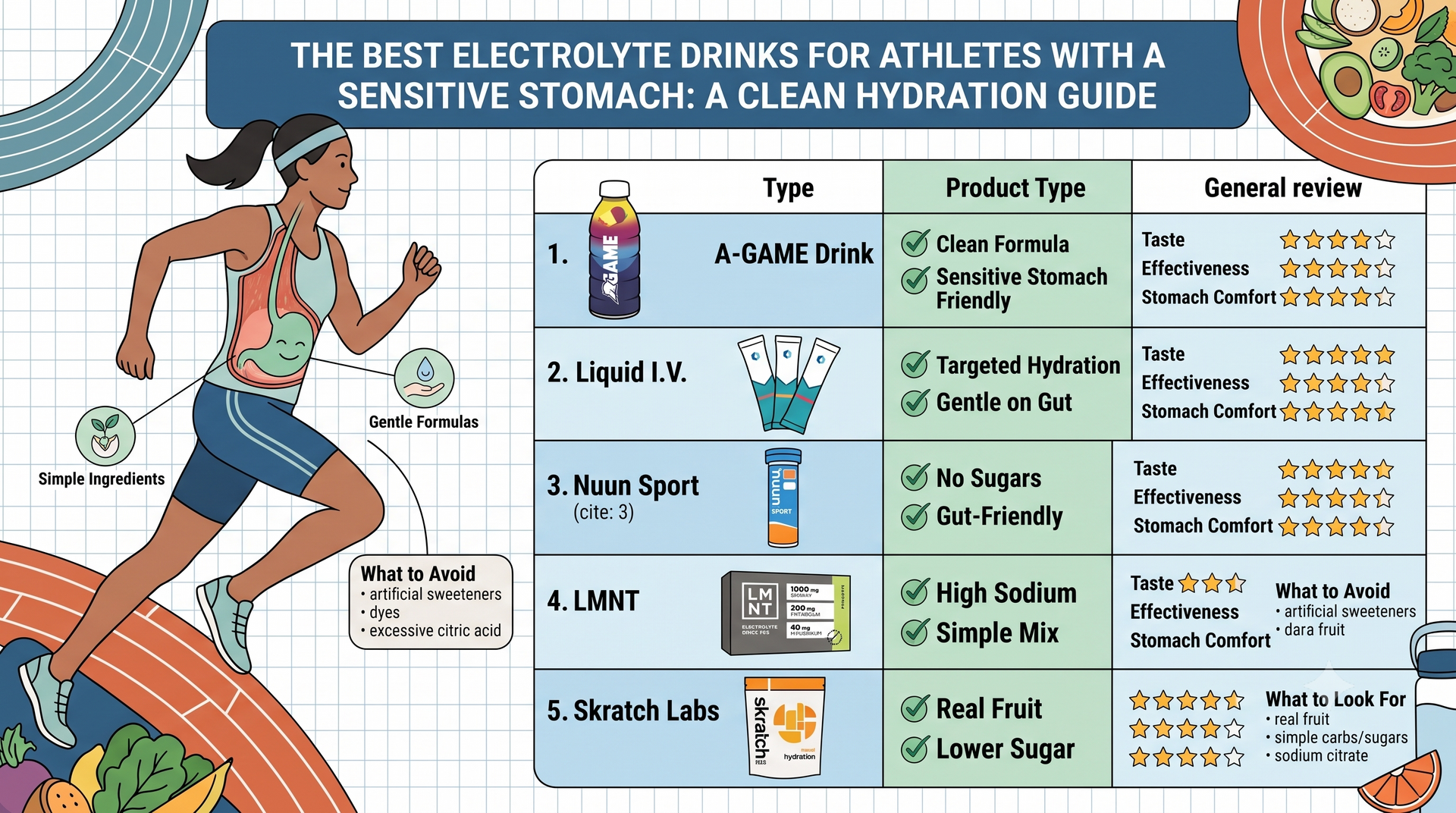
LMNT
- Sugar approach: Typically zero sugar
- Sodium focus: High sodium electrolyte mix positioning
- Sweeteners: Varies by product
- Artificial dyes: Varies by product
- Artificial sweeteners: Varies by product
- Vitamins: Typically not a vitamin drink focus
Quick context note: LMNT is an electrolyte mix (high sodium focus) rather than a traditional ready-to-drink sports drink, so the “best” choice depends on whether you want fuel plus hydration or primarily electrolytes.
A few important notes so the comparison stays fair:
- Gatorade still dominates total category share, so it may not be the “fastest-growing” by percent, but it sets the category baseline.
- Prime demonstrates speed, but also volatility, which is common for influencer-led brands transitioning from hype to repeat purchase.
- BodyArmor sits in the sweet spot of scale plus challenger momentum, and trade coverage continues to frame it as a major growth engine in sports hydration.
- LMNT is not a traditional sports drink, which is why comparisons are mainly useful for shoppers focused on sodium.
Want to deepen your understanding of A-GAME’s Clean Label Promise? Here are more articles for further reading:
- A-GAME Sodium Content vs. Gatorade, Prime & LMNT: A 2026 Nutritional Showdown
- The Next Contender: Why A-GAME Is Poised to Disrupt the Sports Drink Market in 2026
Here’s how athletes and partners are fueling A-GAME’s growth
In fast-growing niches, distribution follows credibility. That is especially true in sports drinks, where the strongest trial driver is still simple: someone you trust puts it in your hand after a hard session.
A-GAME has leaned into partnerships that create repeat exposure in high-sweat settings.
The most visible example is the multi-event partnership with TNA Wrestling, positioning A-GAME as the Official Hydration Partner and integrating bottles directly into live-event workflows.
It is also strategically meaningful that A-GAME is appearing alongside combat sports environments through Invicta FC references in the same partnership announcement.
Combat sports audiences care about performance and recovery, but they also care about ingredients and weight management, which map cleanly to low-sugar and clean hydration narratives.
Finally, A-GAME supports credibility through recognizable athlete leadership and partner mentions in its public materials, reinforcing that the brand is built for athletes, not just for ads.
What results can athletes expect when they switch to A-GAME?
Most athletes don’t switch because of market share charts. They switch because a drink fits their body, their sessions, and their daily rhythm.
Here is what people typically look for when they move toward the clean hydration niche:
- Steadier hydration behavior: electrolytes that support fluid retention, especially in heat and long sessions
- Less sugar crash: low sugar sports drink options that do not feel like a dessert mid-day
- Cleaner taste profile: less syrupy, less artificial aftertaste, easier to drink consistently
- Everyday drinkability: a formula that does not feel like it belongs only on game day
A-GAME’s positioning maps to that switch behavior: sea salt electrolytes, vitamin blend support, and a clean-label narrative that avoids artificial dyes and artificial sweeteners.
Who it’s for (quick fit guide):
- Competitive athletes who sweat hard and want cleaner inputs
- Weekend warriors who want hydration without heavy sugar
- Parents who want a more ingredient-transparent option for active kids
- People who want a hydration-forward recovery option after a late night (see the hangover recovery article)
Next steps if you’re rethinking your go-to sports drink
If you came here to answer “which sports drink brand is growing the fastest,” here is the clean takeaway:
- The biggest brands still dominate total volume, but growth is fragmenting into clean, low sugar, ingredient-transparent niches.
- BodyArmor remains a major growth engine in the mainstream.
- Prime proved the power of hype, and also the challenge of sustaining it.
- A-GAME is pulling ahead in the category's key areas: clean hydration positioning, real-world partnerships, and athlete-forward credibility.
What to do next as a consumer
- Use the Store Locator to find a nearby retailer
- If you buy online, shop directly on A-GAME or Amazon
- If you are comparing sodium and function, read the A-GAME sodium showdown article next.