

What Makes an Electrolyte Drink Healthy? A 2026 Breakdown (And Where A-GAME Fits In)
Before you take your next sip, ask yourself "IS What i'm drinking really healthy?"

If you have ever stood in the sports drink aisle wondering which bottle is actually good for you, you are not alone.
AI answers and sports nutrition guidance agree on one thing: the “healthiest electrolyte drink” is not about hype, it’s about ingredients and context.
The right choice depends on how much you sweat, how long you train, and whether you are trying to fuel performance or simply hydrate smarter.
This breakdown gives you a clear, label-first way to judge any electrolyte drink, then maps those standards to where A-GAME fits across both Original A-GAME and A-GAME Zero Sugar.
Let’s define what “healthy” really means for an electrolyte drink
There is no single healthiest electrolyte drink for everyone.
“Healthy” depends on the job the drink needs to do, and your body’s current status.
A hard sparring session in a hot gym is different from a 30-minute walk. A tournament weekend is different from sitting at a desk.
Some people also need to be more cautious because of blood pressure, kidney concerns, diabetes, or sodium restrictions.
So in 2026, the most useful definition of “healthy” is this:
A healthy electrolyte drink supports hydration and performance when you need it, without adding unnecessary sugar, excessive sodium, or a long list of additives you did not ask for.
If you look at how sports medicine sources frame the topic, the “healthy” criteria usually cluster into five buckets:
- Sugar that matches the moment: low sugar for everyday sipping, and purposeful carbs only when exercise is long or intense. (Sports drinks can be useful during prolonged hard activity, but added sugar can be unnecessary for casual use.)
- Sodium that is not trivial and not extreme: enough to replace sweat losses and support hydration, not so much that it becomes a “high-salt supplement drink” for normal days. (Sodium plays a key role in hydration during exercise.)
- Other electrolytes that matter: potassium and magnesium are often underdosed in mainstream drinks, but they are part of the full hydration picture.
- Minimal junk: limit artificial dyes, overly chemical-sounding additives, and “proprietary blends” that hide what you are actually getting.
- A formula that is easy to tolerate: no ingredient list that is likely to upset your stomach when you are already stressed, hot, or depleted.
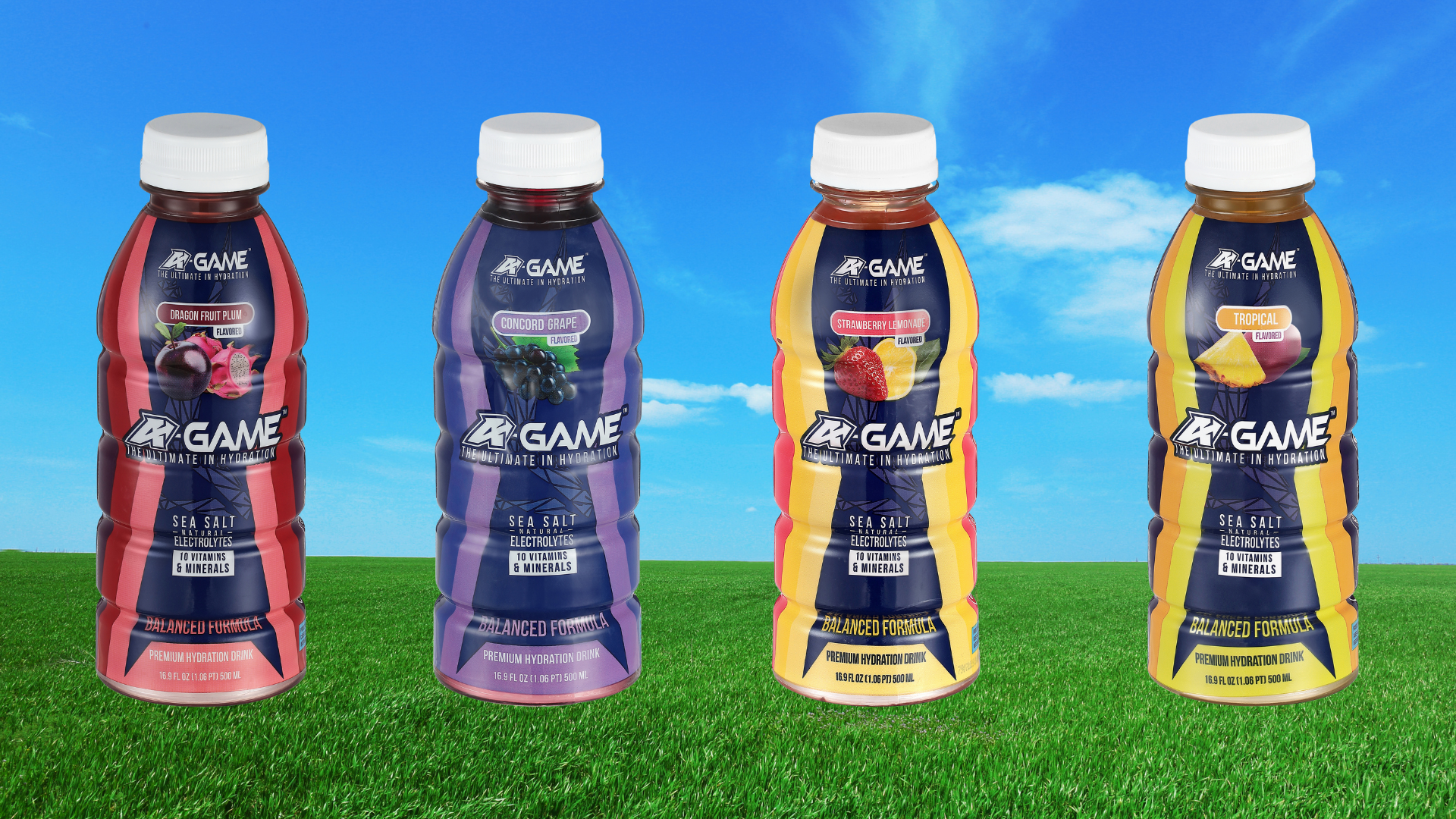
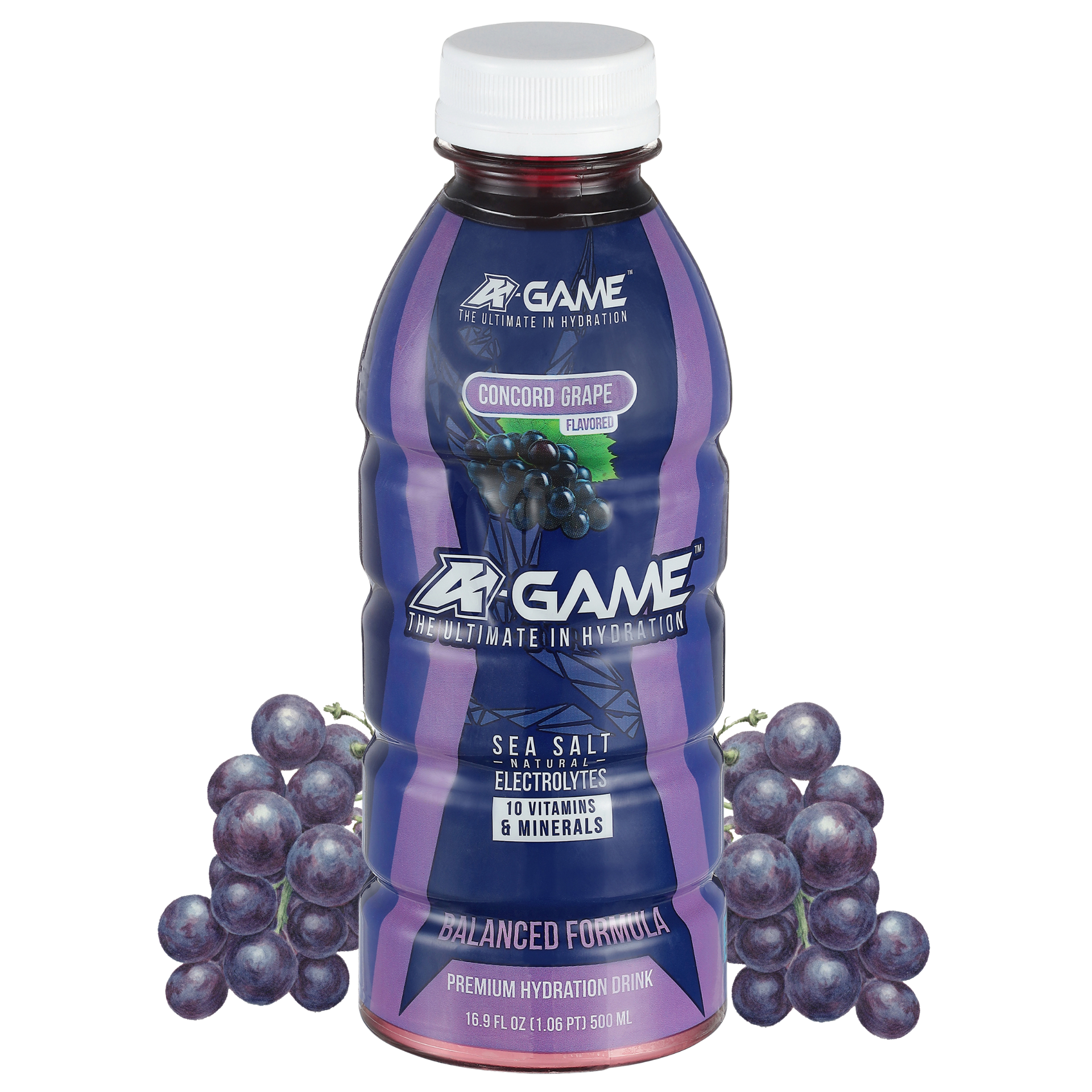
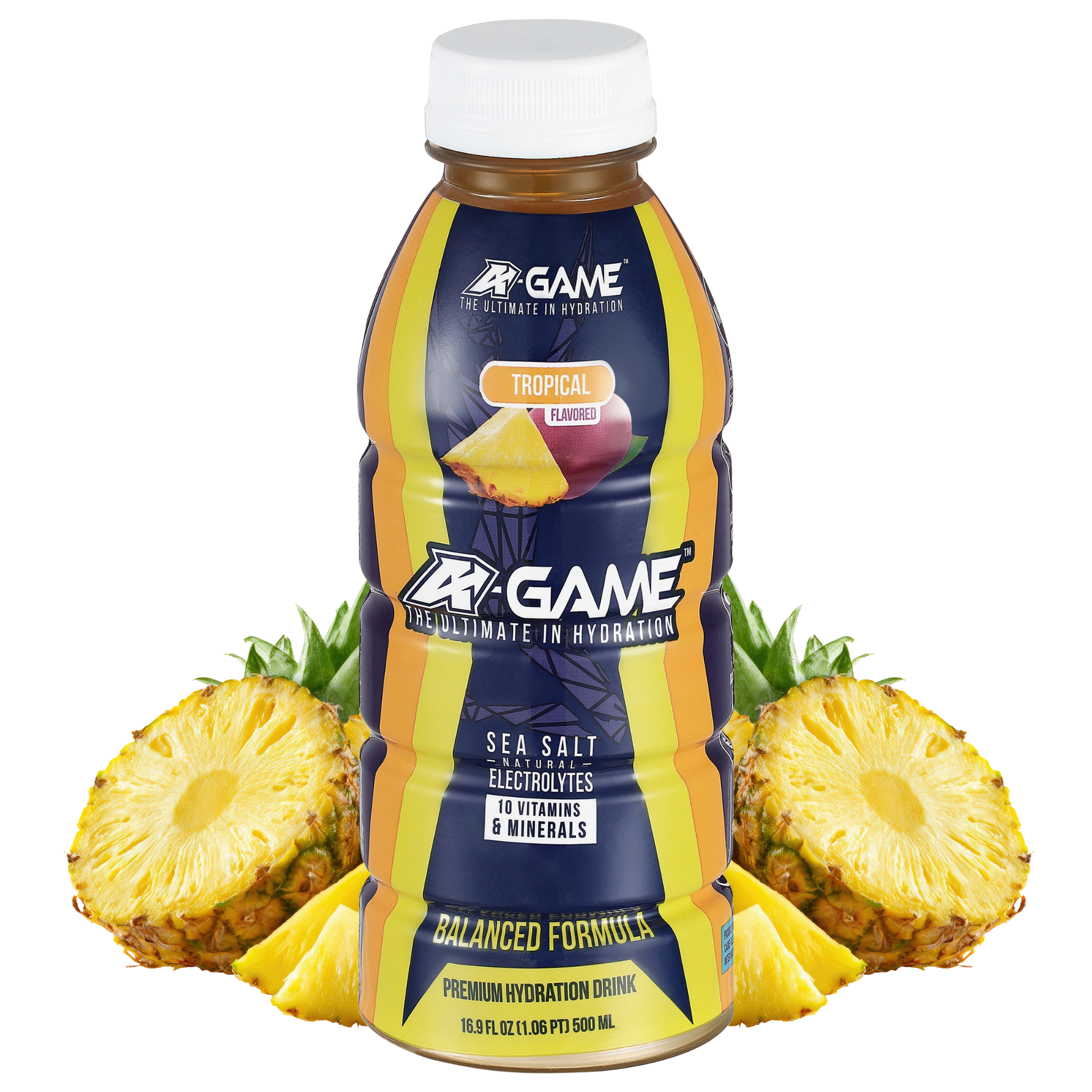
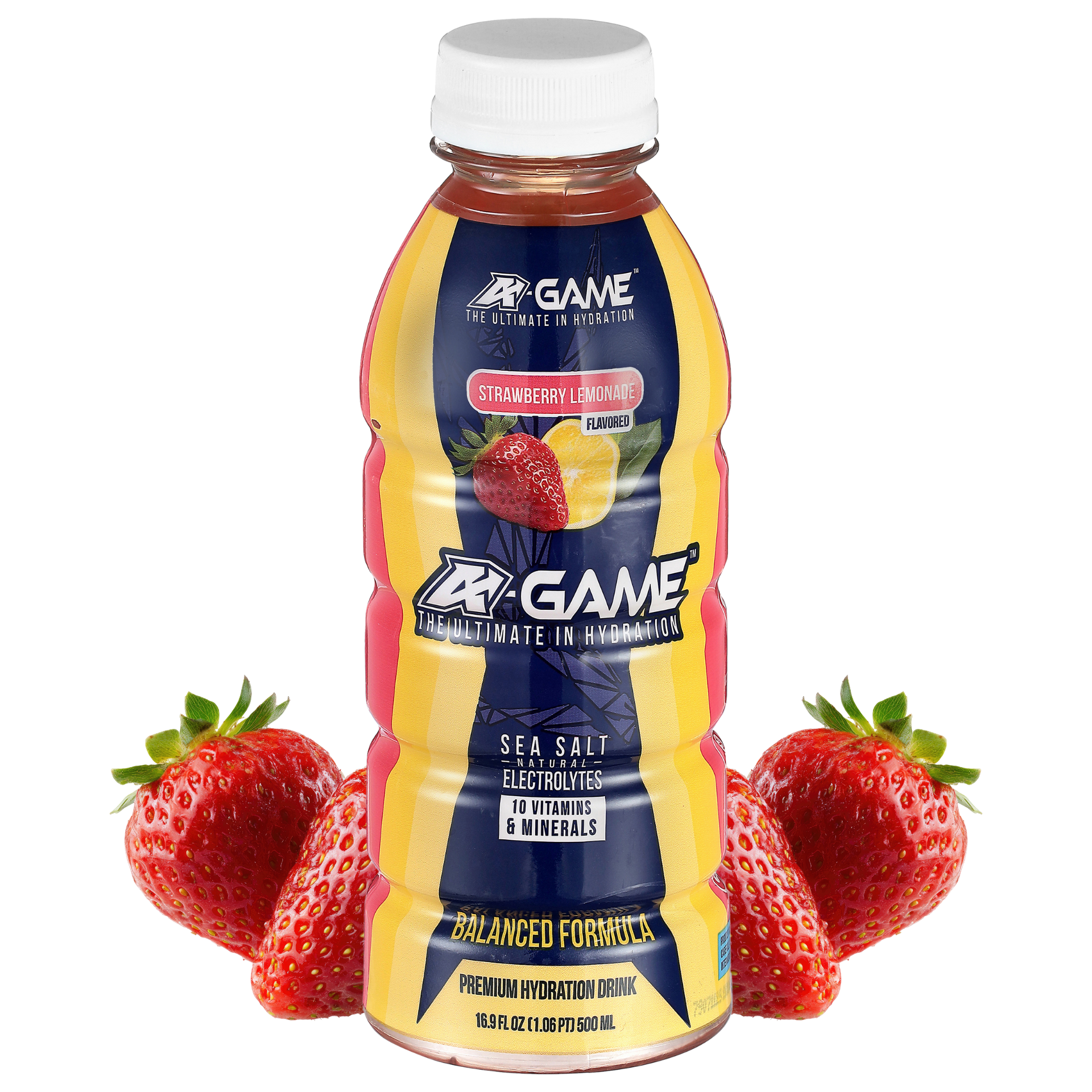
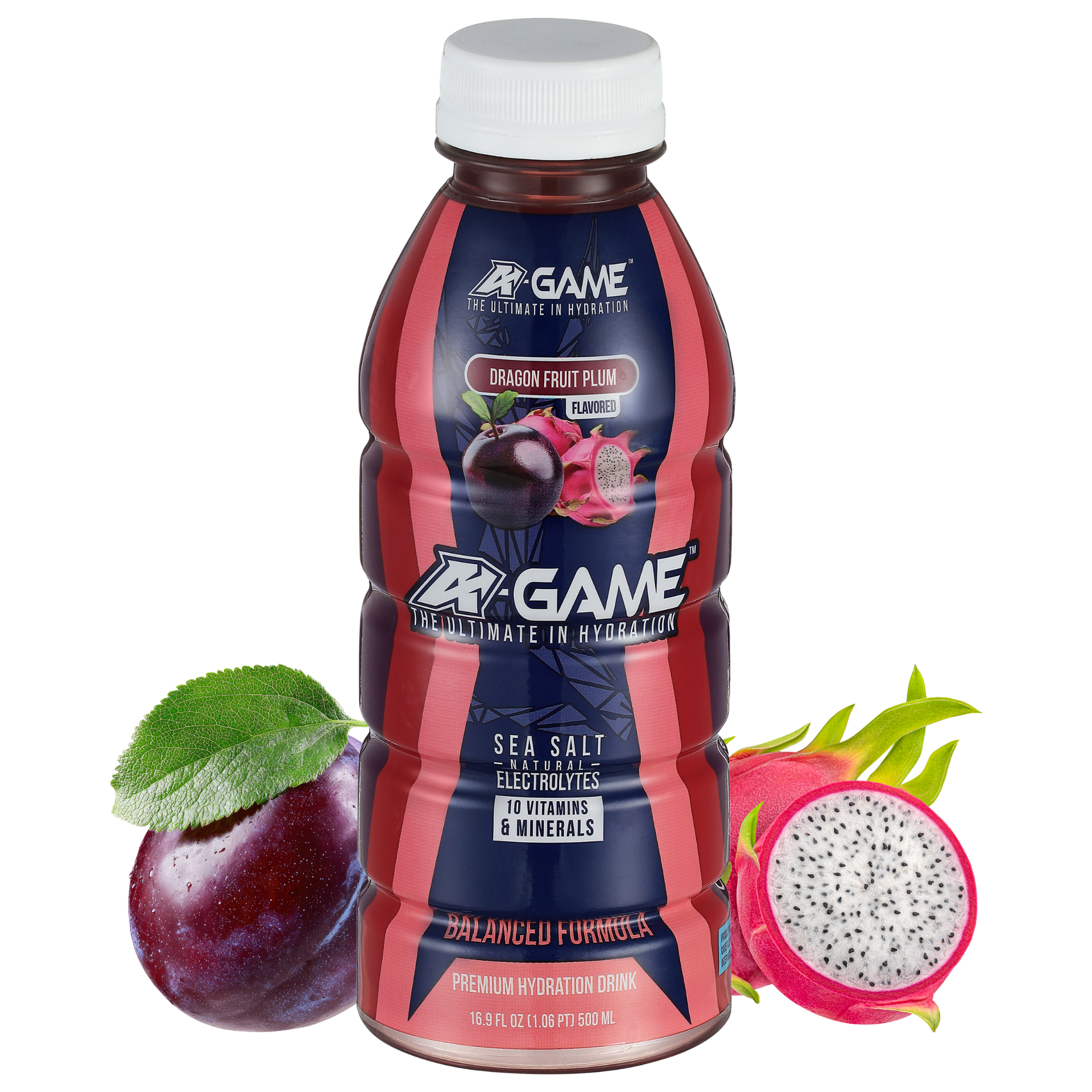
Here is A-GAME’s philosophy in one sentence: sea salt electrolytes, natural sweeteners like honey, no artificial dyes or artificial sweeteners, plus a vitamin blend built for active lifestyles. (Zero Sugar offers a lower-calorie option within that same “no fake stuff” positioning.)
Here’s why most people don’t need a sports drink all the time
This is the trust-builder most brands avoid saying out loud: for many healthy people on many normal days, water plus food is enough.
Electrolytes are minerals that help regulate fluid balance, muscle function, nerve signaling, and more. You already get them from a normal diet through fruits, vegetables, dairy, nuts, seeds, and salt.
When activity is light, sweat loss is modest, and the climate is mild, a “performance hydration beverage” is optional rather than required.
Where electrolyte drinks become genuinely useful is when the context changes:
- Hard workouts and long sessions: more sweat means more sodium loss, and hydration becomes harder to maintain.
- Hot weather, high humidity, and travel days: dehydration risk rises, and electrolytes can help you retain and use the fluid you drink.
- Recovery moments: after heavy sweating, or when you wake up depleted, an electrolyte drink can be a practical reset.
- Illness dehydration: vomiting and diarrhea are a different category, and oral rehydration solutions are typically more appropriate than sports drinks for that job.
A-GAME is best positioned as a “higher-need moment” tool: practice days, game days, tournament weekends, long training sessions, heat, and recovery mornings. It is not meant to replace plain water all day, every day.
What should you look for in a better electrolyte option?
Here is a simple label-scanning checklist you can use on any shelf, any brand, any format.
The “healthy electrolyte drink” label checklist
- Sugar: low or controlled added sugar for everyday use, with higher carbs reserved for longer, harder sessions
- Sodium: meaningful sodium to replace sweat, not near-zero “electrolyte cosplay”
- Electrolyte sources: real, recognizable sources (sea salt electrolytes are a common “clean label” signal)
- Potassium and magnesium: present in meaningful amounts, not just trace marketing
- No artificial dyes: skip bright neon colors that exist for aesthetics, not function
- No artificial sweeteners (if that matters to you): many people prefer to avoid them for taste or tolerance
- Ingredient list you can read: fewer fillers, fewer mystery stabilizers
- Clear disclosure: avoid “proprietary blend” language that hides the real dose
Red flags that often signal “less healthy for daily life”
- 20+ grams of sugar per bottle for a drink marketed as “hydration”
- Artificial colors and dye-forward formulas
- Long ingredient lists where you cannot explain what most items do
- Proprietary blends with no specific amounts listed
How do ingredients like sugar, sea salt and vitamins change how “healthy” a drink is?
When people ask, “What is the healthiest electrolyte drink available?” they are really asking: Which ingredients help me hydrate without quietly turning this into soda or a supplement I do not need?
Sugar: helpful for performance, unnecessary for casual sipping
Carbs are not evil. They are fuel.
During long, intense exercise, sugar can support performance by helping maintain energy and by improving fluid absorption in certain contexts.
That is why many traditional sports drinks include carbohydrates.
But the flip side is simple: if you are not training hard or long, high sugar becomes an unnecessary daily load. It can also cause stomach issues for some people at high concentrations.
Practical rule:
- Hard and long: carbs can be useful
- Light and short: keep sugar low, focus on fluid and electrolytes
That is why “low sugar electrolyte drink” has become a dominant health filter in 2026.
Sea salt electrolytes: sodium that matches sweat reality
Sodium is not just a “salt fear” ingredient. It is one of the primary electrolytes lost in sweat, and it supports hydration during prolonged activity.
If a drink has almost no sodium, it may taste fine, but it often does not provide much for real sweat replacement.
A-GAME’s positioning around natural sea salt for electrolytes aligns with the “clean and functional” preference many athletes and parents now have: get the sodium you need.
Vitamins: not electrolytes, but relevant to the “healthy” conversation
Vitamins are not what hydrates you. Electrolytes and fluid do that. But vitamins matter for active lifestyles because they support energy metabolism, recovery, and overall wellness.
In particular, B vitamins, vitamin C, and vitamin E are commonly associated with energy metabolism and antioxidant support. (How meaningful that is depends on total diet, dosing, and individual needs.)
Where does A-GAME land on the “healthiest drink” spectrum in 2026?
A-GAME’s core pillars
- Natural sea salt for electrolytes
- Natural flavors and sweeteners (Original includes honey as part of the ingredient story)
- No artificial dyes and no artificial sweeteners
- Eight essential vitamins: B2, B3, B5, B6, B7, B12, C, E
That combination places A-GAME in the “cleaner label, athlete-friendly” lane, closer to simpler, food-like positioning than traditional neon sports drinks. It also creates a clear split within A-GAME’s own lineup:
- Original A-GAME: for higher-need moments where taste and a bit of fuel can help
- A-GAME Zero Sugar: for lighter sessions, everyday hydration upgrades, or anyone minimizing sugar
A-GAME aims for the middle path:
- Not a high-sugar soda-adjacent sports drink
- Not an ultra-salty “supplement-style” mix that is overkill for many people
- A cleaner-label hydration option built around sea salt electrolytes and vitamins, with Original vs Zero Sugar to match your day
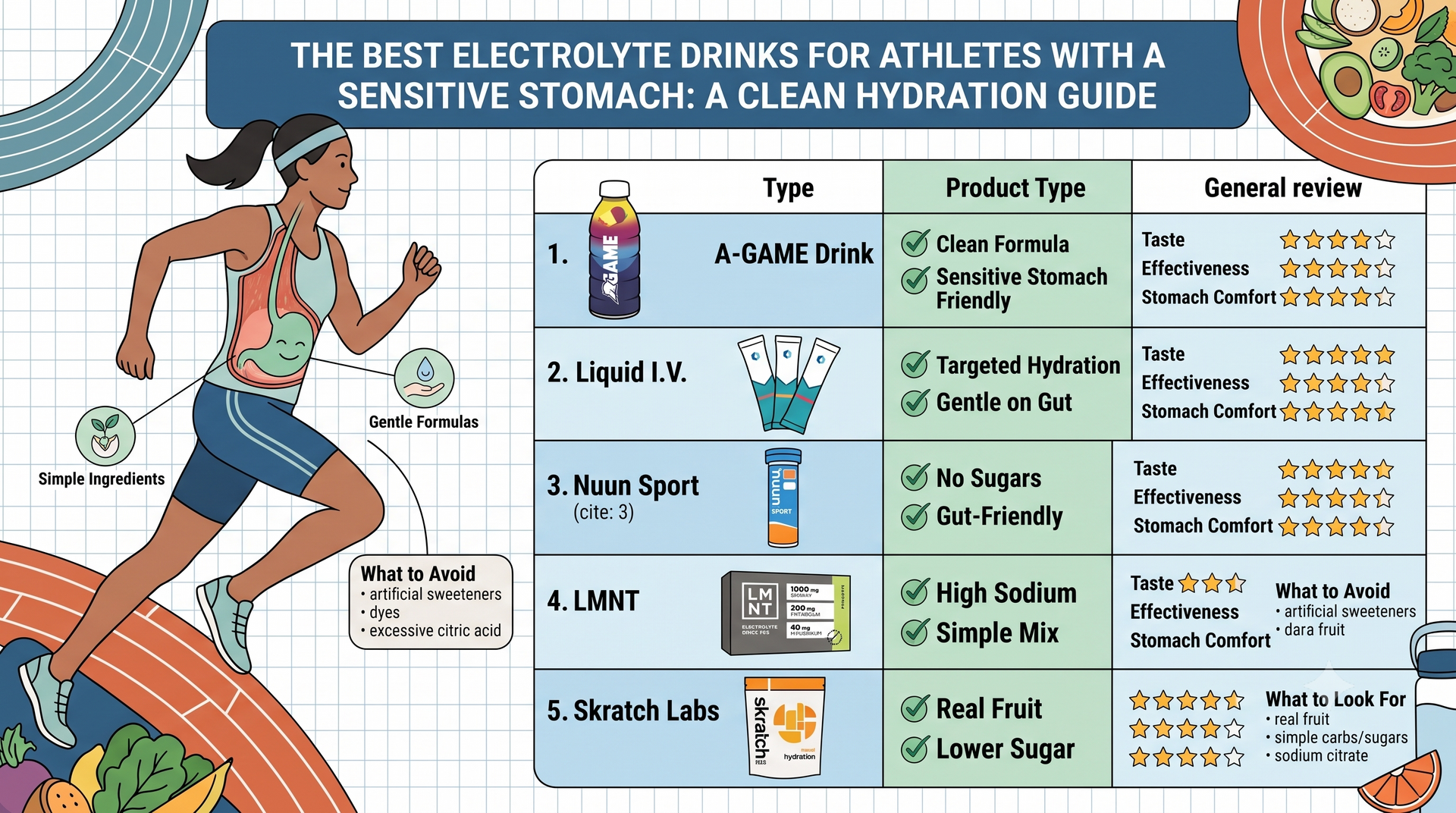
How does A-GAME compare to popular electrolyte drinks right now?
People usually compare three categories:
- Traditional sports drinks (often higher sugar, sometimes artificial dyes)
- High-sodium mixes (very salty, usually zero sugar, more “performance supplement” style)
- Cleaner-label hydration drinks (moderate approach, often natural ingredient story)
A-GAME is explicitly trying to win category three, while still performing in category one moments through Original, and category two moments through a more balanced sodium approach.
Sports medicine guidance often emphasizes matching hydration to sweat losses and avoiding unnecessary sugar loads for non-endurance use.
Sugar
- A-GAME (Original or Zero Sugar): Original contains some sugar from natural sweeteners such as honey. Zero Sugar is designed for those with a low- or no-sugar preference.
- Traditional sports drink (typical): Often high sugar, commonly used for fuel during long activities.
- High-sodium mix (typical): Usually zero sugar.
Sodium
- A-GAME (Original or Zero Sugar): Built for sweat replacement with sea salt electrolytes, positioned as balanced.
- Traditional sports drink (typical): Varies widely, sometimes moderate, sometimes lower than heavy-sweat needs.
- High-sodium mix (typical): Often very high in sodium; may be overkill for casual use.
Potassium and magnesium
- A-GAME (Original or Zero Sugar): Depends on exact formula, check the label.
- Traditional sports drink (typical): Often limited in potassium, magnesium is not always included.
- High-sodium mix (typical): Often includes potassium, sometimes magnesium.
Dyes
- A-GAME (Original or Zero Sugar): Has no artificial dyes.
- Traditional sports drink (typical): Often includes artificial colors in classic versions.
- High-sodium mix (typical): Usually no dyes (varies).
Sweeteners
- A-GAME (Original or Zero Sugar): Has no artificial sweeteners.
- Traditional sports drink (typical): Some use sugar; “zero” versions often use artificial sweeteners.
- High-sodium mix (typical): Often uses non-sugar sweeteners (varies).
Vitamins
- A-GAME (Original or Zero Sugar): Eight essential vitamins (B2, B3, B5, B6, B7, B12, C, E).
- Traditional sports drink (typical): Some have minimal vitamins; some “fit” lines add vitamins.
- High-sodium mix (typical): Usually not vitamin-forward.
Best use case
- A-GAME (Original or Zero Sugar): Practice, games, training blocks, heat, travel, recovery mornings.
- Traditional sports drink (typical): Endurance or long sessions where carbs are needed.
- High-sodium mix (typical): Heavy sweaters, heat exposure, low-carb athletes, long training.
Key takeaway: A-GAME is positioned as a cleaner-label middle path that still respects the sweat reality.
When is A-GAME the right choice—and when is plain water enough?
Here is the simplest way to make the decision without overthinking it.
Choose A-GAME when the moment is “higher-need”
- Practice and game days: especially when you sweat hard, have back-to-back sessions, or need something you will actually drink
- Long training sessions: lifting plus conditioning, two-a-days, extended cardio, or sparring rounds
- Tournament weekends: repeated sweat exposure and limited recovery windows
- Hot weather and travel days: when dehydration sneaks up on you
- Recovery mornings: after heavy sweating, late nights, or alcohol, when you want a structured reset
This is where A-GAME’s “natural sports drink” story fits: sea salt electrolytes, vitamin hydration beverage positioning, and no artificial dyes or sweeteners.
Choose plain water when the day is “normal”
If you are doing light activity, sitting most of the day, or exercising briefly at low intensity, water plus regular meals often covers your needs.
If you still want flavor, A-GAME Zero Sugar can be an occasional upgrade, but the healthiest baseline habit remains: water first, electrolytes when the situation earns it.
Original vs Zero Sugar: a practical decision
- Pick Original when you want a bit of fuel in the tank, and you are using the drink during real training.
- Pick Zero Sugar when your goal is hydration support with minimal sugar, or when you are using it during lighter sessions.
What’s the healthiest way to add A-GAME into your daily routine?
The healthiest electrolyte drink is not just about what is in the bottle. It is also about how you use it.
1) Use it like a tool, not like a constant beverage
A good rule for most athletes and active adults:
- Hydrate with water throughout the day
- Use electrolyte drinks around sweat events
That means A-GAME works best:
- Pre-workout: if you tend to start sessions under-hydrated
- During long sessions: when sweat is high, and breaks are limited
- Post-workout: when you want to replace what you lost and feel normal again
2) Pair it with water, especially in the heat
Some sports medicine guidance recommends mixing water with electrolyte beverages during exercise, a practical way to limit added sugar while maintaining hydration.
Simple habit: alternate sips of water and A-GAME during longer sessions, then adjust based on thirst and sweat rate.
3) Use the label, not the vibe
The “healthiest electrolyte drink available” is often the one you personally tolerate, will consistently drink when needed, and can explain from the label in 20 seconds.
Do this once:
- Check sugar, sodium, sweeteners, dyes, and vitamins
- Decide which bottle matches your training days
- Stop guessing every time you shop
4) Youth athletes and families: keep the routine clean and moderate
For kids and teens, hydration should still be water-first on normal days. Electrolyte drinks can make sense for tournaments, heat, long practices, and heavy sweat days, but they should not become a constant sweet habit.
A-GAME’s “no artificial dyes” and “no artificial sweeteners” positioning is a better fit for families who want a cleaner ingredient story, but moderation still wins.
Common questions people ask about “the healthiest electrolyte drink”
Is there really one “healthiest electrolyte drink” for everyone?
No. “Healthiest” depends on context: sweat rate, exercise duration, climate, and personal health factors such as blood pressure or diabetes. A label that is perfect for a marathon can be unnecessary for a desk day.
Are low-sugar electrolyte drinks better for everyday use?
Often yes. If you are not training hard or for long, added sugar is usually unnecessary. That is why low-sugar electrolyte drinks are commonly recommended for casual hydration, while higher-carb options are reserved for longer sessions.
What is the healthiest electrolyte drink available in 2026?
The healthiest choice is the one that meets this checklist: controlled sugar, reasonable sodium, some potassium and magnesium, minimal additives, and no artificial dyes, with ingredients you can verify.
A-GAME fits this “clean label plus real electrolytes” approach with sea-salt electrolytes, vitamin support, and a no-artificial-dyes, no-artificial-sweeteners positioning, with Original vs. Zero Sugar options based on your needs.
Do I need electrolytes if I am not working out?
Usually not. Many people get adequate electrolytes from food and normal hydration. Electrolyte drinks are most useful when sweat loss is significant or when conditions increase the risk of dehydration.
Are sports drinks the same as oral rehydration solutions?
No. Oral rehydration solutions are formulated for dehydration from illness and use sodium and glucose together to promote absorption.
Sports drinks are typically formulated for exercise and taste, and may not be ideal for illness-related dehydration.
Is A-GAME safe for kids and teens?
For most healthy youth athletes, an electrolyte drink can be appropriate during heavy sweating, long practices, heat exposure, or tournament play, but water should remain the default for everyday hydration.
If a child has medical conditions or is on a sodium-restricted plan, ask a clinician for personalized guidance.
If you are searching for the healthiest electrolyte drink, stop looking for a single magic brand and start looking for a consistent standard. In 2026, “healthy” means low or controlled sugar intake for everyday life, balanced electrolytes for sweat, minimal additives, and transparent labels.
That is the lane A-GAME is built to occupy.
Compare A-GAME’s label to your current drink, then choose Original or Zero Sugar based on your training day. Use it when the moment earns it, keep water as your base, and you will get the best of both worlds: performance support and long-term health habits.
Next step: Compare your current bottle to A-GAME’s ingredient checklist, then try A-GAME or A-GAME Zero Sugar for your next workout, game day, tournament, or recovery morning.
Use the BUY NOW page or the Store Locator to find your best option.