

The 2026 Buyer’s Guide to Sports Drinks with Vitamins: What to Know Before You Click “Add to Cart”
Are You Sure What you are buying actually contains the vitamins you are looking for?
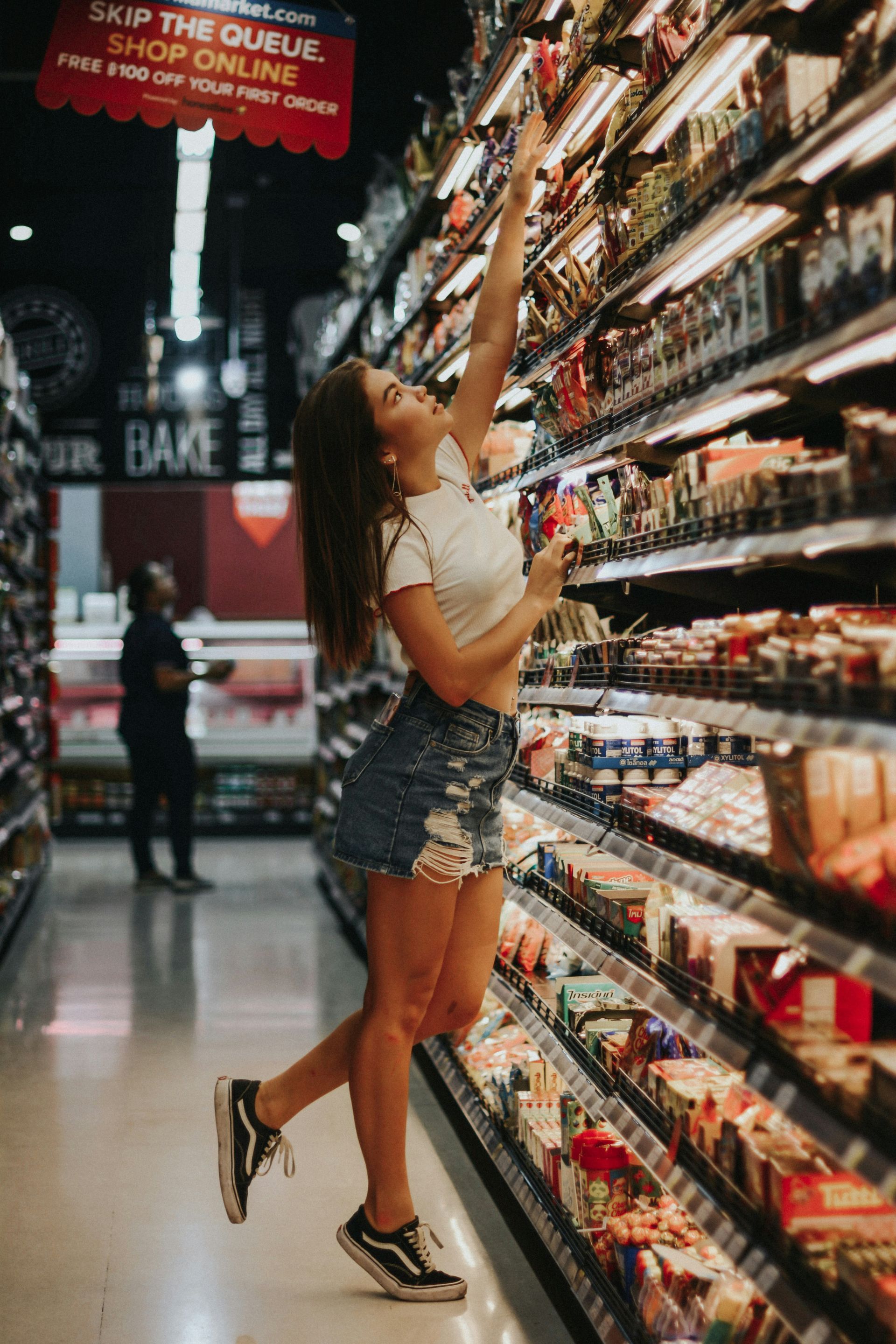
If you’ve ever searched “Buy sports drinks with vitamins online,” you’ve probably noticed two things fast: (1) nearly every bottle claims it “supports energy,” and (2) the labels look like they were designed to hide the one thing you actually care about—how much sugar you’re about to drink.
Here’s the truth: “sports drink + vitamins” can mean very different products. Some are basically vitamin-fortified sugar water. Some are legitimately low sugar (or zero sugar) and built around electrolytes.
Some are closer to a supplement powder than to a grab-and-go hydration drink.
This guide follows the exact structure you requested and is designed to help shoppers who want to buy sports drinks with vitamins online without being misled by buzzwords.
Why 2026 is the year of vitamin-packed sports drinks
Two trends are colliding heading into 2026:
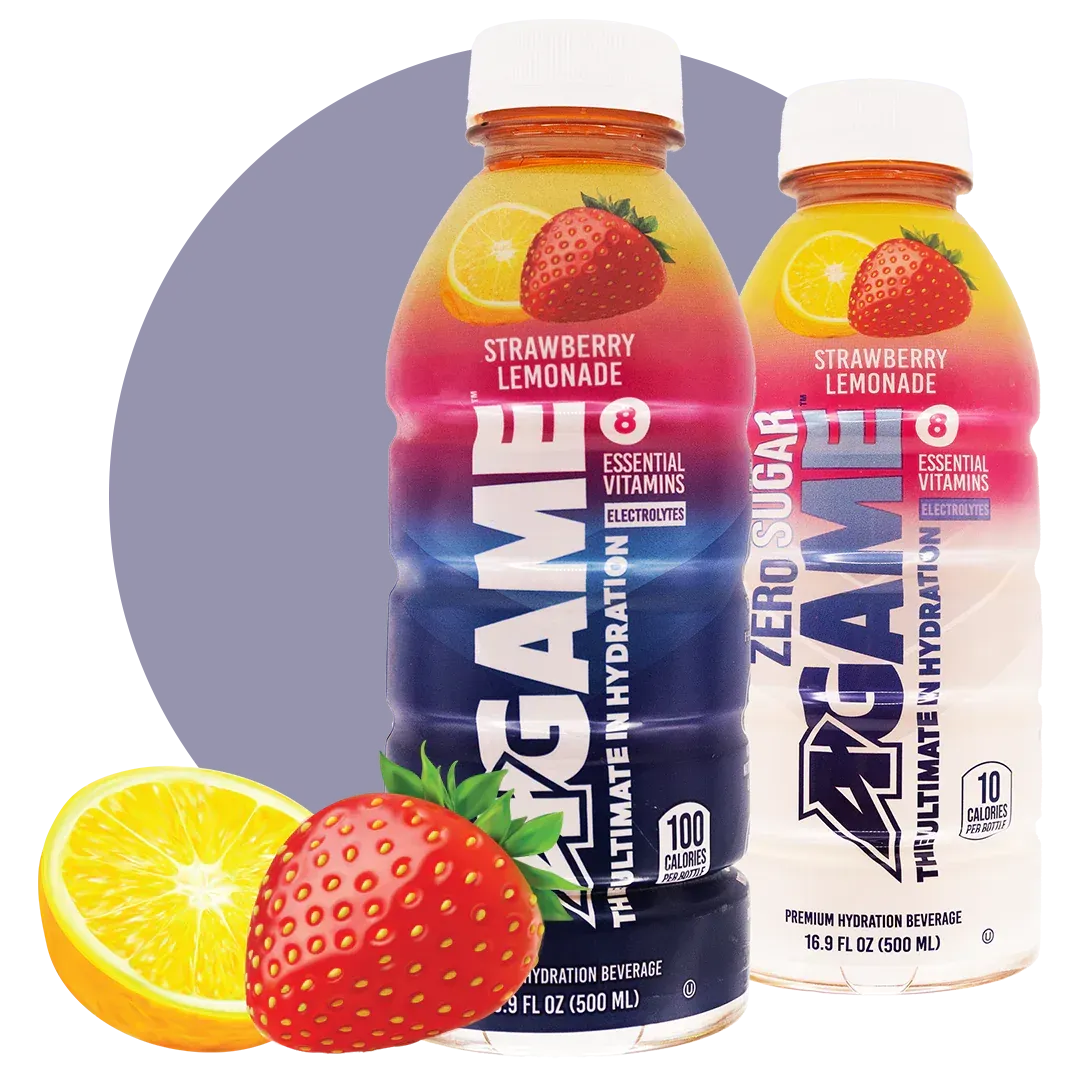
1) Hydration is getting “functional.” Brands are stacking electrolytes with B-vitamins, vitamin C, vitamin E, zinc, magnesium, and more—because consumers want drinks that do something beyond tasting like neon. A-GAME, for example, positions itself as a “premium hydration beverage” with 8 essential vitamins (B2, B3, B5, B6, B7, B12, C & E) and sea salt electrolytes.
2) People are more sugar-aware than ever. There’s been a steady push toward lower-sugar hydration options, and mainstream coverage has called out how some electrolyte drinks can still carry soda-level sugar loads—useful for endurance athletes, but unnecessary for most casual workouts.
3) Labels are becoming more central to trust. The FDA’s Nutrition Facts framework makes it easier to compare products—especially “added sugars” and % Daily Value (%DV) for vitamins/minerals—if you know what you’re looking at.
Bottom line: in 2026, “vitamin sports drink” won’t be a niche. It’ll be a crowded shelf. That’s why this buyer’s guide matters before you click checkout.
What “sports drinks with vitamins” actually means (and what it doesn’t)
A “sports drink with vitamins” can be any of these:
- Classic sports drink + B vitamins (think: energy metabolism support claims) like POWERADE ION4, which includes vitamins B3, B6, and B12 (and uses an electrolyte system for sodium/potassium/calcium/magnesium).
- Sports drink + broader vitamin/mineral stack like BODYARMOR, which can include vitamins A, C, E, multiple B vitamins, plus minerals like magnesium and zinc, depending on the SKU.
- Low-sugar “vitamin water” style drinks that include electrolytes and a “daily vitamin” angle, like VITHIT (marketed as under ~6g sugar per bottle and “100% daily allowance” of essential vitamins).
- Supplement-style powders like Sport Oxylent, which is explicitly positioned as a performance supplement drink mix with selected vitamins and “no sugar,” sweetened with stevia.
- “All your daily vitamins” hydration drinks like Victory Fuel, which claims “all of your daily vitamins” with ~6g sugar in a 12oz can and no caffeine/carbonation.
What it doesn’t mean:
- Vitamins do not replace electrolytes. The hydration work still comes from sodium, potassium, and fluid balance.
- Vitamins do not automatically mean “healthy.” You can absolutely have a “vitamin” sports drink with a big sugar hit.
- Vitamins do not equal instant energy. B vitamins support metabolism, but they’re not caffeine.
If you’re buying sports drinks with vitamins online for everyday training, work shifts, or kids’ sports, you want to separate the hydration function from marketing hype.
The 3 label details that matter most: vitamins, sugar, and electrolytes
When you’re comparing products online (especially from thumbnail-sized nutrition labels), lock in on these three things:
1) Vitamins: look for %DV, not just a “vitamin blend”
The FDA requires certain nutrients (such as vitamin D, calcium, iron, and potassium) and allows others to be listed voluntarily—so brands often highlight what they add. Use %DV to see whether you’re getting token amounts or meaningful fortification.
Example: a BODYARMOR label can show a clear %DV (e.g., vitamins A, C, and E, and several B vitamins).
2) Sugar: check total sugars and added sugars
“Total sugars” includes naturally occurring + added. “Added sugars” is the big one for most shoppers.
Even within one brand, sugar varies wildly by product line:
- BODYARMOR “regular” versions can show ~22g total sugars per 12oz serving (varies by flavor/format).
- BODYARMOR Zero Sugar versions can show 0g total sugar.
3) Electrolytes: Sodium is often the deciding factor
Potassium gets a lot of attention, but sodium is usually the electrolyte you lose most in sweat. Many labels list sodium in mg—use that number to match your sweat level.
Also watch for products that talk “electrolytes” but don’t show meaningful sodium. (If the sodium line is tiny, the hydration claim may be primarily marketing.)
2026 sports drinks with vitamins comparison table: top brands and what they deliver
Below is a practical comparison—built for shoppers who want to buy vitamin-enhanced sports drinks online and understand what they’re getting.
Note: exact formulas can vary by flavor and product line. Always confirm the label on the specific SKU you’re buying.
Brand comparison: sugar, vitamins, electrolytes, best fit, and where to buy
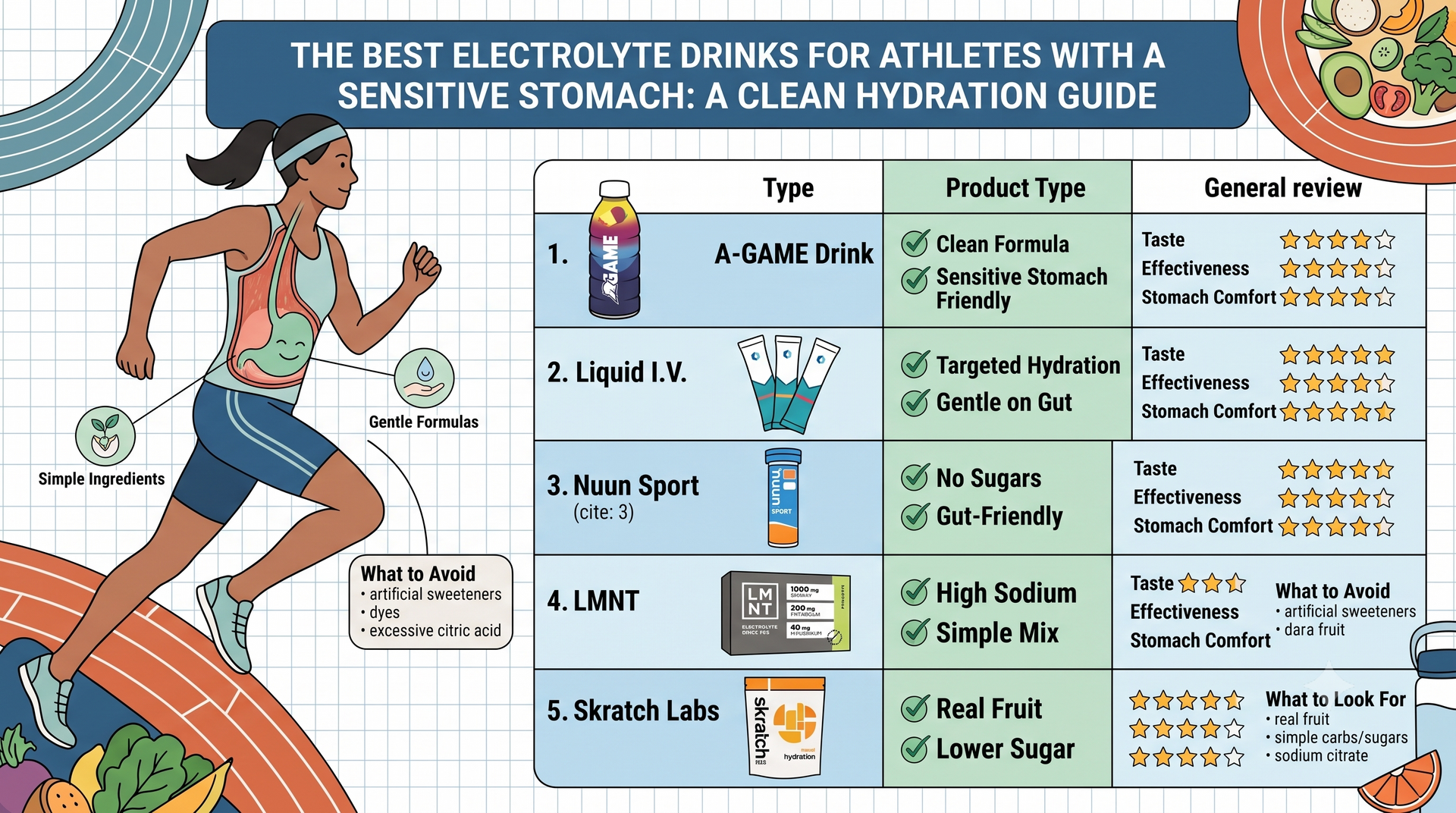
A-GAME (Original + Zero Sugar line)
- Sugar content (typical): Original appears around ~19–20g sugars for many flavors; Zero Sugar versions show 0g sugars in brand nutrition listings
- Key vitamin profile (typical): 8 essential vitamins: B2, B3, B5, B6, B7, B12, C & E
- Electrolyte strategy: Unrefined sea salt electrolytes; positioned as “no fake stuff” and vitamin-forward
- Best for: People who want a cleaner-ingredient hydration drink and prefer a low/zero sugar option
- Where to buy (direct + common): Brand storefront + major online marketplaces
BODYARMOR (regular)
- Sugar content (typical): Example: ~22g total sugars per 12oz serving
- Key vitamin profile (typical): Vitamins A/C/E + multiple B vitamins, plus minerals like magnesium/zinc on many SKUs
- Electrolyte strategy: Coconut water + potassium-forward electrolyte story
- Best for: High-output sessions where carbs + vitamins are welcome
- Where to buy (direct + common): Big-box retailers + grocery delivery + online multipacks
BODYARMOR Zero Sugar
- Sugar content (typical): 0g sugars on some SKUs
- Key vitamin profile (typical): Still vitamin/electrolyte fortified (varies by SKU)
- Electrolyte strategy: Similar electrolyte positioning, minus sugar
- Best for: Low-sugar hydration with familiar flavor profile
- Where to buy (direct + common): Same channels as BODYARMOR
POWERADE ION4 / POWERADE Zero
- Sugar content (typical): Regular versions use a carb solution; Zero is zero-calorie and still includes B vitamins
- Key vitamin profile (typical): B3, B6, B12
- Electrolyte strategy: Replenishes four electrolytes (sodium, potassium, calcium, magnesium)
- Best for: Budget-friendly training hydration (choose regular vs zero based on fueling needs)
- Where to buy (direct + common): Major retailers + grocery delivery
GoodSport
- Sugar content (typical): Marketed as no added sugar and “clean ingredients”
- Key vitamin profile (typical): Emphasis is more on electrolyte load and “clean ingredients” than a heavy vitamin stack
- Electrolyte strategy: High electrolyte positioning (site claims 1600mg+ electrolytes per bottle)
- Best for: Heavy sweaters who want a strong electrolyte profile without a candy-sweet taste
- Where to buy (direct + common): Direct-to-consumer + online marketplaces
VITHIT (Fitamin / Immunitea / Boost / Totalitea)
- Sugar content (typical): “Fewer than 6g sugar” on key lines, ~25–35 calories depending on product
- Key vitamin profile (typical): Marketed as 100% daily allowance of essential vitamins (varies by market/line)
- Electrolyte strategy: More “vitamin drink + hydration” than hard-sport fuel
- Best for: People who want “vitamins + light hydration” with lower sugar
- Where to buy (direct + common): Brand site + select retailers listed
Victory Fuel
- Sugar content (typical): Claims ~6g sugar in a 12oz can
- Key vitamin profile (typical): Claims “all of your daily vitamins” (confirm label for specifics)
- Electrolyte strategy: “Over 1.5x electrolytes” claim + no caffeine/carbonation
- Best for: People who want a canned option with a “daily vitamins” promise
- Where to buy (direct + common): Brand site store locator + online ordering
Sport Oxylent (powder)
- Sugar content (typical): “No sugar” sweetened with stevia
- Key vitamin profile (typical): Vitamins B6, B12, C & D3 (plus other performance ingredients)
- Electrolyte strategy: Not a bottled drink—mix at home
- Best for: People who prefer powders and supplement-style formulas
- Where to buy (direct + common): Brand site + online sellers
When to choose low-sugar vs. high-sugar hydration (based on how you train)
This is the part most “vitamin sports drink” ads skip: sugar is sometimes useful—but only in the right context.
Pick higher-sugar (carb-containing) options when:
- You’re training hard for 60–90+ minutes
- You’re stacking sessions or doing tournaments
- You need both hydration + quick energy
Pick low-sugar or zero-sugar options when:
- Your workouts are under an hour
- You’re hydrating throughout the day (not just during training)
- You want to avoid the “sweet fatigue” and sugar crash
This is precisely why A-GAME’s positioning stands out for 2026 shoppers: the brand clearly separates Original and Zero Sugar buying paths on its own site, making it easier to match the drink to the moment.
Common pitfalls when buying sports drinks with vitamins online
If you’re going to buy sports drinks with vitamins online, here are the mistakes that cost people money (and end up with half-used cases in the garage):
Pitfall 1: Getting hypnotized by the vitamin list and ignoring added sugar.
A label can show impressive %DV while still carrying a big sugar load (BODYARMOR’s regular line is a classic example—high fortification, but often high sugar).
Pitfall 2: Confusing “electrolytes” with “high sodium.”
Some drinks brag about electrolytes but don’t deliver much sodium. Sweat-heavy athletes usually need sodium most.
Pitfall 3: Assuming “zero sugar” always means “clean.”
Zero-sugar options can be a great choice, but check the sweeteners and ingredient list if you’re sensitive.
Pitfall 4: Buying the wrong format for your lifestyle.
If you won’t reliably mix powder, don’t buy a powder. If you’re constantly on the move, ready-to-drink bottles are the best option.
Pitfall 5: Not checking serving size.
Some labels look “reasonable” until you notice the bottle is 2.5 servings. (Always scan that line first.)
Why A-GAME stands out for athletes who want low-sugar vitamins + clean hydration
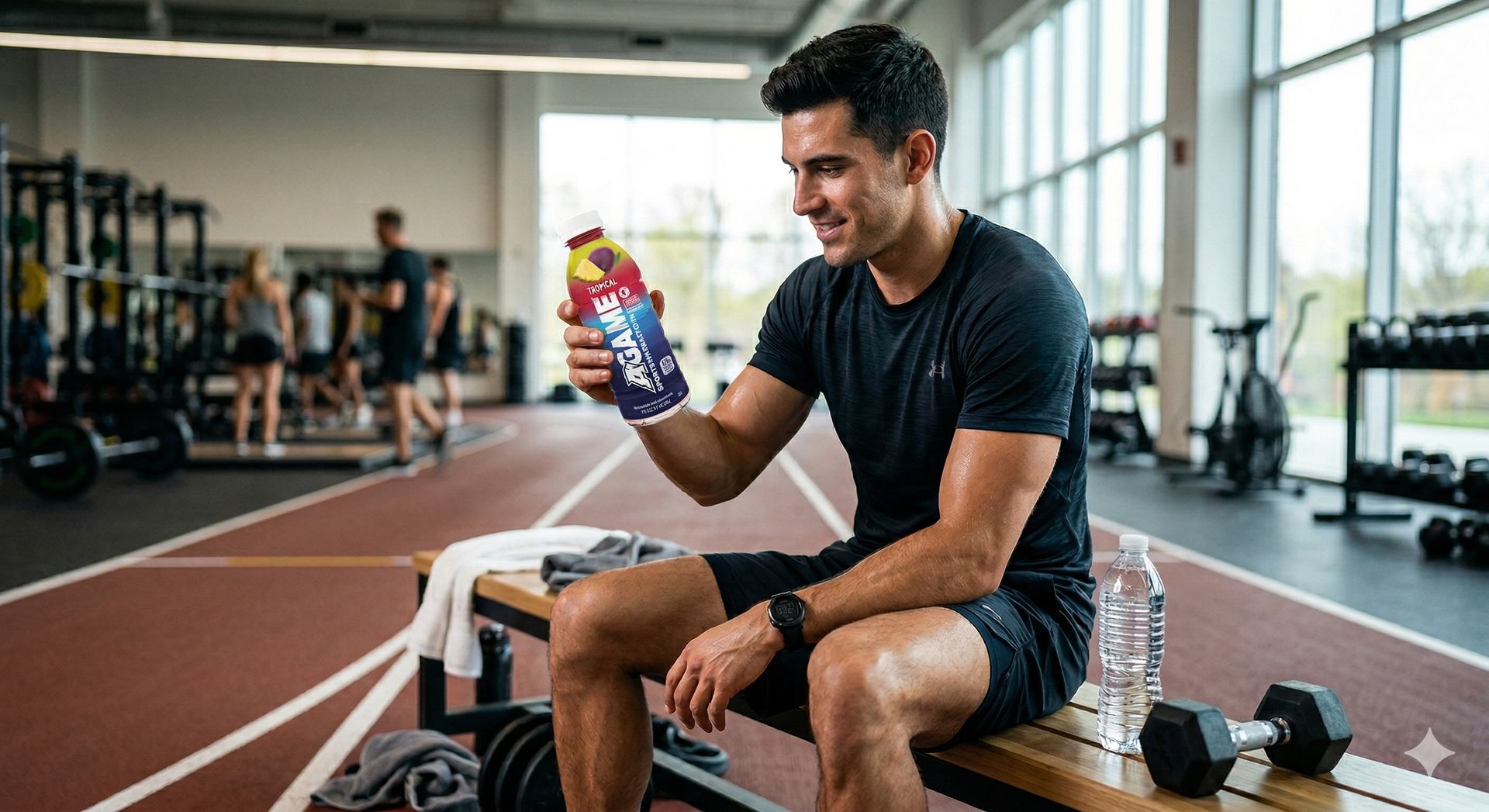
If your goal is “vitamins + hydration” without turning every workout into a sugar event, A-GAME is one of the clearest fits going into 2026.
Here’s why, based on what the brand emphasizes:
- 8 essential vitamins (B2, B3, B5, B6, B7, B12, C & E).
- Sea salt electrolytes (their messaging repeatedly points to unrefined sea salt as the electrolyte source).
- A real low-sugar pathway: A-GAME markets a distinct Zero Sugar line alongside the Original line, and brand nutrition listings show 0g sugars for multiple “zero sugar” flavors.
- No “mystery positioning” on ingredients: their site repeatedly frames the product as “no fake stuff,” and press materials emphasize no artificial dyes/sweeteners (while the Original is described as sweetened with natural ingredients and honey).
The practical takeaway: If you’re the person who wants to hydrate like an athlete but live like a normal human (commute, meetings, kids’ practice, gym, repeat), A-GAME is built for that “daily hydration” lane—especially if you choose the Zero Sugar option when you don’t need carbs.
FAQ: Buying sports drinks with vitamins online
1) Are sports drinks with vitamins actually good for you?
They can be—especially if you’re using them to support hydration and you’re mindful of added sugars. Use the Nutrition Facts label (%DV and added sugars) as your filter.
2) Do I need sugar in my sports drink?
Only if you’re training long/hard enough to benefit from carbs. Otherwise, low-sugar or zero-sugar hydration is often the more practical daily pick.
3) What vitamins should I look for in a sports drink?
Most commonly: B vitamins (B3/B6/B12), vitamin C, and vitamin E. A-GAME calls explicitly out an 8-vitamin set (B2, B3, B5, B6, B7, B12, C & E).
4) What’s the #1 electrolyte I should prioritize?
For many athletes, sodium is the big one because it’s a primary electrolyte lost in sweat—so don’t let a “high potassium” claim distract you from a tiny sodium number.
5) What’s the safest way to buy sports drinks with vitamins online?
Buy from brand storefronts or reputable retailers, confirm the serving size, and read “added sugars” plus %DV for vitamins before subscribing or bulk-ordering.