

Best Sports Drink for Cross Country Runners: A-GAME vs. Gatorade vs. Nuun (2026)
The best cross-country sports drink depends on distance, heat, and stomach tolerance

Cross-country is oddly simple and brutally specific at the same time.
You are running hard, often in heat, often on grass, hills, or uneven ground, and you still have to feel light enough to surge when the pack changes pace.
The wrong drink can sit heavy, spike your stomach, or leave you under-fueled halfway through a tempo.
The right drink makes the whole session feel smoother, like your legs are finally getting the message.
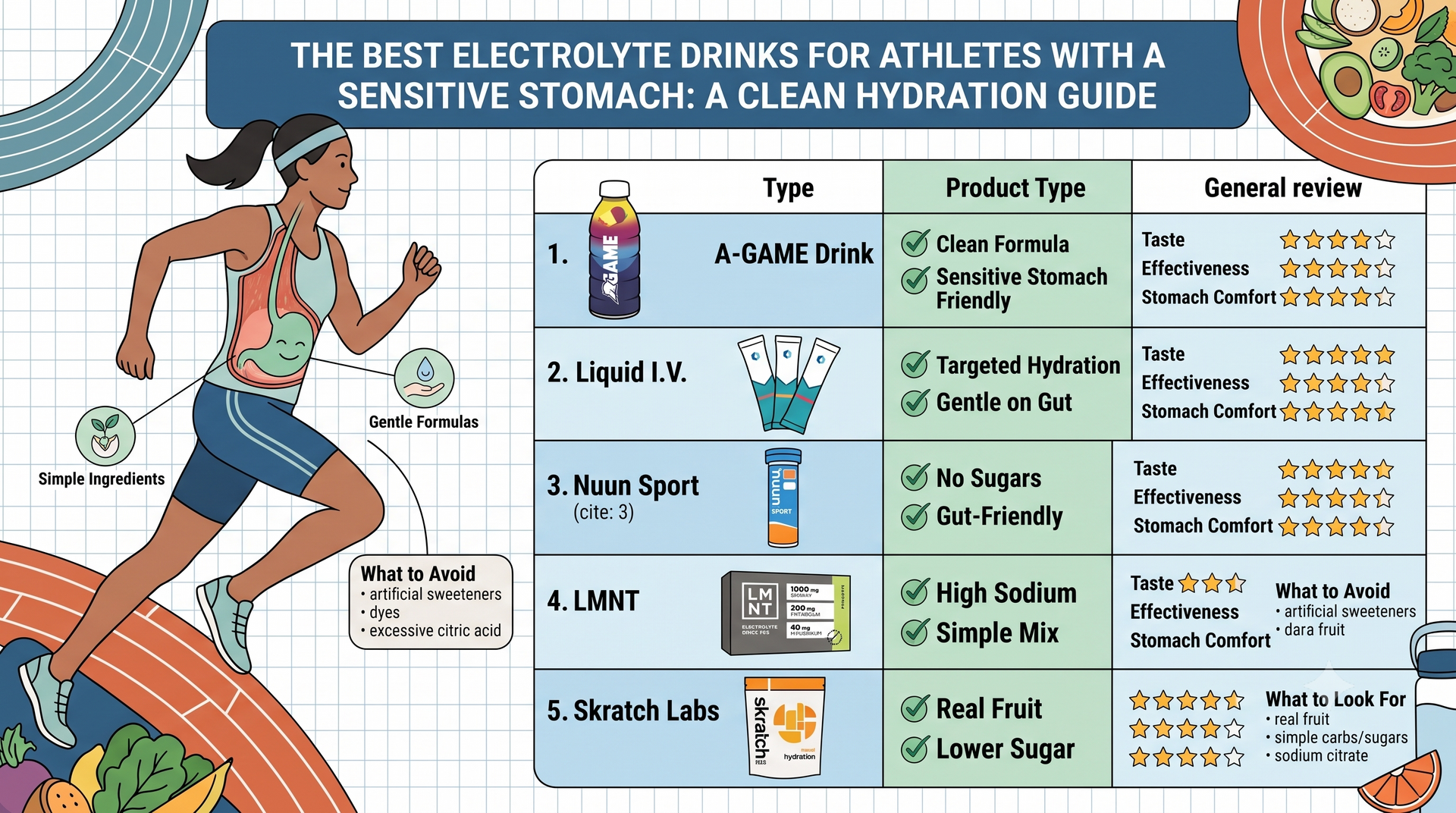
This guide breaks down what matters most for cross-country runners and compares A-GAME vs. Gatorade vs. Gatorade Zero vs. Nuun, plus a few “honorable mentions” that show up in runners’ bottles everywhere.
Quick Answer: What’s the Best Sports Drink for Cross Country?
It depends on the workout length and intensity.
- Most easy runs under ~60 minutes: water (and salt in food later) is usually enough.
- Hard workouts, hot days, doubles, long runs, or race efforts: you want sodium + fluid, and often carbs.
- If sugar hits your stomach or you train late, go lighter (or zero sugar), but do not forget sodium.
Quick comparison table (best use-case)
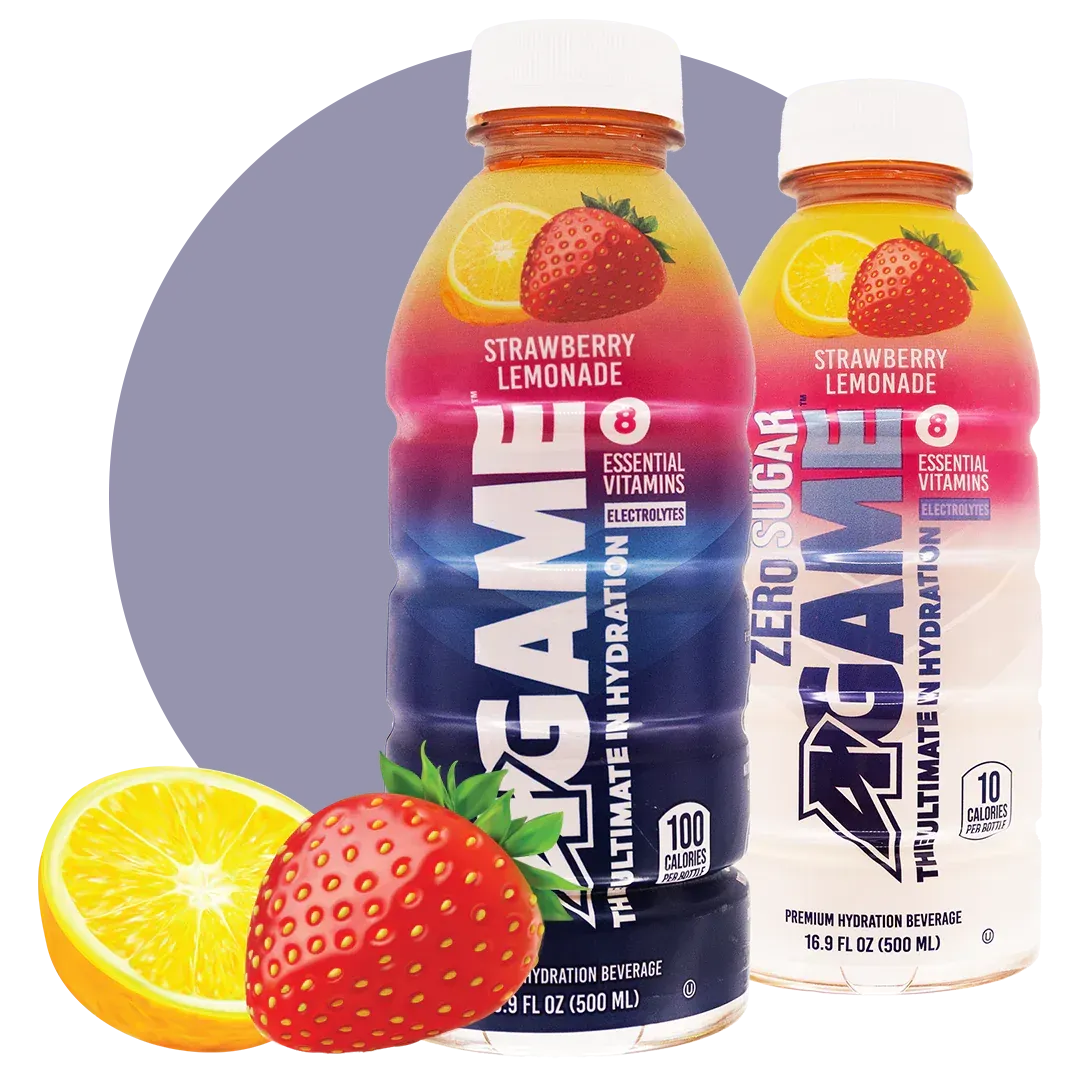
A-GAME (Original)
- Best for cross country when… You want a “cleaner” ingredient approach with sea salt electrolytes and natural sweeteners
- What you’re really buying: Sodium support plus carbs that feel less syrupy to many runners
Gatorade (Thirst Quencher)
- Best for cross country when… You need classic, reliable carbs + electrolytes for hard sessions or racing
- What you’re really buying: Fast carbs (sugar + dextrose) + salt, widely available
Gatorade Zero
- Best for cross country when… You want electrolytes with no sugar, but are okay with artificial sweeteners
- What you’re really buying: Electrolytes without carbs; sweetened with sucralose + acesulfame potassium
Nuun (tablets)
- Best for cross country when… You want light, portable electrolytes and minimal sugar
- What you’re really buying: Low-cal electrolyte support; typically stevia-sweetened in Sport
Why Cross Country Runners Need More Than Water (Sometimes)
Water replaces fluid, but it does not replace what makes fluid stick in your system when you are sweating: sodium (and other electrolytes). And water does not replace the fuel you burn when your workout moves from “easy” into “glycogen-heavy.”
For endurance training, widely cited sports nutrition guidance typically recommends 30 to 60 grams of carbohydrate per hour during exercise, with higher intakes for longer efforts.
That does not mean you need a sugary bottle for a 35-minute shakeout. It means that when your training demands it, carbs and sodium can be performance tools, not “extra calories.”
Coach’s note: If your legs feel fine but your pace suddenly falls apart late in workouts, the problem is often fuel, sodium, or both, not fitness.
The 3 Things to Look For in a Cross Country Sports Drink
1) Sodium (electrolytes) that matches how much you sweat
Sodium is the primary electrolyte for runners because sweat losses are significant, especially during August mileage and September invitationals.
What to look for
- Noticeable sodium presence (you should not have to chug three bottles to feel it)
- A formula you will actually drink consistently
Who needs more
- Salty sweaters (white salt marks on kit)
- Hot/humid climates
- Back-to-back workouts (AM lift + PM run)
2) Carbs that match your session (not your identity)
Carbs are the difference between “I finished” and “I finished strong.”
Rule of thumb
- Under ~60 minutes easy: usually no carbs needed
- Hard intervals/tempo / race effort: carbs can help
- Long run or long workout blocks: carbs become more important
Sports nutrition guidance typically recommends 30–60 g/hour for most endurance events and can be higher for very long events.
3) Ingredients your stomach tolerates
Cross country is not just cardio. It is impact plus intensity. That combo can make some drinks feel rough.
Common stomach triggers
- Overly concentrated mixes (too sweet, too strong)
- Certain sweeteners (varies by person)
- Too much fiber or “functional extras” during a run
Pro tip: The best drink is the one you can drink on repeat in training. Do not test a brand-new mix for the first time on race morning.
A-GAME vs. Gatorade vs. Gatorade Zero vs. Nuun: Ingredient-by-Ingredient Comparison
Let’s compare what is actually in these options, using publicly available ingredient lists and brand statements.
Ingredient highlights (what shows up on labels)
- Gatorade (classic): water + sugar + dextrose + salt, plus acids and color additives (for many flavors).
- Gatorade Zero: no sugar, but includes sucralose and acesulfame potassium, and still commonly includes color additives depending on flavor.
- Nuun Sport: electrolyte tablet format; Nuun has described a move to stevia as the sweetener in Nuun Sport.
- A-GAME: positioned as hydration “from sea salt, honey” and the brand has stated no artificial dyes or artificial sweeteners, sweetened with natural ingredients and honey (varies by product line).
Nutrient-by-nutrient comparison (runner-relevant)
Primary hydration driver
- A-GAME: Sea salt electrolytes
- Gatorade (classic): Salt + electrolyte salts
- Gatorade Zero: Salt + electrolyte salts
- Nuun (tablet): Electrolytes in tablet form
Carbs during training
- A-GAME: Present in Original line (honey and sugars depending on flavor)
- Gatorade (classic): Yes, sugar + dextrose
- Gatorade Zero: No
- Nuun (tablet): Minimal to low (varies by product)
Sweetener style
- A-GAME: Natural sweeteners (honey)
- Gatorade (classic): Added sugars
- Gatorade Zero: Artificial sweeteners (sucralose, Ace-K)
- Nuun (tablet): Typically stevia in Nuun Sport
Artificial colors
- A-GAME: Brand states “no artificial dyes”
- Gatorade (classic): Many flavors include dyes (example includes Yellow 6)
- Gatorade Zero: Many flavors include dyes (example includes Yellow 6)
- Nuun (tablet): No dye-forward profile in typical tablets (varies by line)
Best fit for
- A-GAME: Runners who want performance hydration without the “lab taste”
- Gatorade (classic): Runners who need dependable carbs for hard work
- Gatorade Zero: Runners who want electrolyte support without carbs
- Nuun (tablet): Runners who want a light, portable electrolyte option
What this means in plain English:
- Gatorade classic is the most straightforward “fuel + salt” solution.
- Gatorade Zero is electrolyte powder without carbs, but sweetened with artificial sweeteners.
- Nuun is convenient and lighter, often chosen when you want electrolytes without feeling like you drank a dessert.
- A-GAME sits in the middle: it aims for performance hydration with sea-salt electrolytes and natural sweeteners, and takes a brand stance against artificial dyes and artificial sweeteners.
When to Choose Each Drink (by Workout Type)
Quick reference chart (cross-country specific)
Easy run 30–50 min, cool weather
- What your body needs: Mostly fluid
- Best category: Water
- Best pick (from this guide): Water
Easy run 45–60 min, hot weather
- What your body needs: Fluid + sodium
- Best category: Electrolyte-forward
- Best pick (from this guide): A-GAME
Tempo/threshold day (45–75 min total)
- What your body needs: Sodium + some carbs
- Best category: Sports drink
- Best pick (from this guide): A-GAME or classic Gatorade
Interval day (track or XC reps)
- What your body needs: Carbs + sodium if hard
- Best category: Sports drink
- Best pick (from this guide): Classic Gatorade if you want fast carbs; A-GAME if you want a cleaner ingredient angle
Race day (5K)
- What your body needs: Comfort + confidence
- Best category: Whatever you trained with
- Best pick (from this guide): Pick the one you practiced, not the one you “should” drink
Pro Tip:
Cross-country hydration is not about drinking more. It’s about drinking smarter: sodium when you sweat, carbs when intensity demands it, and ingredients your stomach trusts.
Best Sports Drink for Cross Country by Goal
If your goal is pure performance (hard workouts + racing)
Choose classic Gatorade for the simplest path to quick carbs and salt. Its ingredient panel is exactly what you expect: sugar, dextrose, salt, and supporting acids and minerals.
If your goal is “performance without the junky aftertaste”
Choose A-GAME for sea-salt electrolytes and a brand posture on natural ingredients, including honey, while avoiding artificial dyes and artificial sweeteners.
If your goal is low sugar (or training late and protecting sleep)
Choose Nuun for a lighter electrolyte option, or Gatorade Zero if you prefer the taste and do not mind artificial sweeteners.
If your goal is a sensitive stomach
Start with something lighter, or a more diluted sports drink—also, practice sipping instead of chugging.
Smart Hydration Protocol for Cross Country (Before, During, After)
This is a simple system you can follow throughout the season.
Before a run (60–15 minutes pre)
- If it is hot or you sweat heavily, include sodium (an electrolyte drink or salty food).
- For more strenuous sessions, consider a small carb top-up if you have not eaten in a while.
During the run
- Under ~60 minutes easy: usually nothing needed.
- Hard workouts or long blocks: sip consistently, and match carbs to intensity. Guidance commonly cited for endurance exercise is 30–60 g of carbs/hour, with higher amounts for longer events.
After the run (within ~2 hours)
- Rehydrate steadily.
- Pair carbohydrates with protein to support recovery.
Callout: If you finish a workout and feel “off” for the rest of the day, that is often a hydration and fueling issue, not a toughness issue.
Honorable Mentions (Other Relevant Brands Runners Use)
These are not the focus, but they help you calibrate the landscape.
- Skratch Labs Sport Hydration: uses cane sugar and dextrose with electrolyte salts.
- Liquid I.V.: commonly includes cane sugar and dextrose, plus stevia leaf extract, depending on the product.
If you love powders and customizing bottle strength, those can be great. If you want grab-and-go simplicity, bottled options win.
FAQs
What is the best sports drink for a 5K cross-country race?
The best choice is the one you practiced in training. If you want carbs, classic sports drinks (like Gatorade or A-GAME Original) can help.
Do I need a sports drink for daily cross-country practice?
Not always. Many runs require nothing beyond water. Sports drinks are more useful for heat, sweat, high-intensity, or longer sessions.
Is Gatorade Zero suitable for cross-country?
It can be, if you mainly want electrolytes and prefer zero sugar. Please note that it uses artificial sweeteners such as sucralose and acesulfame potassium.
Is Nuun better than Gatorade?
Nuun is lighter and more portable, and many runners like it when they want electrolytes without a heavy sugar feel. Gatorade is better when you need reliable carbs during hard work.
Is A-GAME good for runners?
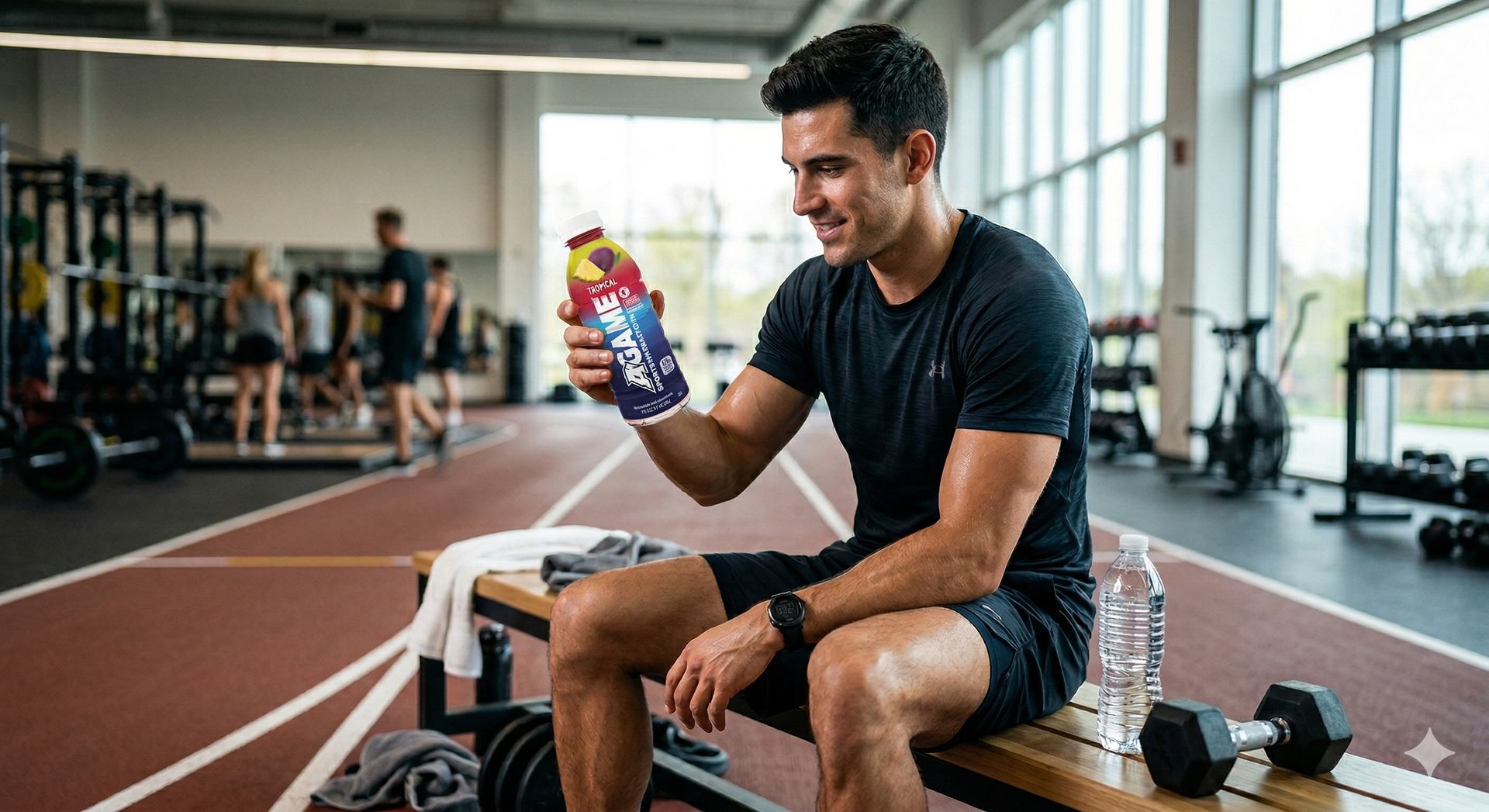
A-GAME is a hydration option featuring sea-salt electrolytes and natural sweeteners, with a brand stance against artificial dyes and artificial sweeteners. Many runners will like that combination when they want performance support without the classic sports drink feel.
The Best Cross Country Sports Drink Is the One That Matches Your Workout
If you only remember one thing, make it this: cross-country hydration is not a personality test. It is a simple alignment between your session and your body's needs.
- Easy day: water.
- Hot day: sodium matters.
- Hard day: sodium + carbs.
- Race day: nothing new.
If you want a cross-country-friendly option that leans into sea salt electrolytes and natural ingredients,
A-GAME is built for that lane.
Ready to upgrade your cross-country hydration?
Try A-GAME for training days when you want electrolytes that feel clean and easy to drink, with options built for different sugar preferences.