

The Best Sports Drinks of 2026: A Nutritionist’s Guide to Smarter Hydration
discover how a-game stacks up against the competition
The Best Sports Drinks of 2026: A Nutritionist’s Guide to Smarter Hydration
Choosing a sports drink is not as simple as grabbing the brightest bottle on the shelf anymore. With new hydration science, cleaner ingredient trends, and more options than ever, the best sports drinks of 2026 are built to match your training style, sweat rate, and even your schedule.
If you landed here after searching top top-rated sports drinks 2025, you are in the right place. Year-based lists change fast, but the fundamentals do not. In this guide, you will learn how to read a label like a coach, compare the top categories (ready-to-drink, powders, tablets), and pick the right drink for your routine.
Let’s define what makes a sports drink truly great
- A great sports drink replaces what you actually lose in sweat, especially fluid and sodium.
- The “best” choice depends on workout length and intensity, plus whether you need carbs or prefer a low sugar sports drink
A true sports drink does three jobs, and not every product needs to do all three at once:
- Hydration (fluid replacement): You are trying to avoid excessive dehydration. ACSM guidance commonly emphasizes preventing performance loss associated with larger fluid deficits and notes that needs vary widely from person to person.
- Electrolyte balance (especially sodium): Sodium helps maintain fluid balance and supports hydration during longer or hotter sessions. That is why most “classic” sports drinks include a meaningful amount of sodium, even when they are sweet.
- Energy (carbohydrates): For longer or more strenuous workouts, carbs can meaningfully support performance. Sports nutrition guidelines recommend approximately 30-60 g of carbohydrate per hour during extended exercise, with higher intakes sometimes used for very long sessions.
So what separates “top rated” from “just fine”? Usually it is the combination of:
- Right-sized sodium (not tiny, not extreme for the situation),
- Carb strategy that matches your training, and
- Ingredient quality and tolerance, meaning it sits well in your stomach and fits your preferences.
What should you look for in a sports drink in 2026?
- Match sugar to the mission: low or no sugar for short sessions, carb-containing for prolonged or intense sessions.
- Treat sodium like a performance lever: more is not always better, but too little can be a problem for heavy sweaters or hot-weather practices.
A simple checklist you can use in 20 seconds
When people search for the best sports drinks in 2026 or an electrolyte drink comparison, they usually want a quick answer. Here is the fast answer, in plain English.
1) Sodium: How much do you actually need?
- For many everyday workouts, a moderate sodium range works well.
- For long, hot, or high-sweat sessions, higher sodium options can be useful, but they are not “all-day beverages” for everyone. ACSM stresses individualized plans because sweat rate and sweat sodium vary widely.
2) Carbs and sugar: When is sugar helpful vs unnecessary?
- If you are doing a short lift, a short run, or a casual practice, you often do not need sugar. Water or a low-sugar sports drink is sufficient.
- If you are pushing past about an hour of hard work, carbs during exercise are commonly recommended at 30 to 60 g per hour, often via drinks, gels, or food.
3) Ingredient quality and taste: Will you actually drink it?
If it tastes overly sweet, many athletes under-drink. If it is too salty, some people avoid it. The “best” drink is the one you will actually use consistently in training.
4) Third-party testing and certifications (especially for tested athletes):
If you compete in drug-tested sport, look for reputable third-party programs (for example, NSF Certified for Sport). Use certification directories to verify products rather than relying on a logo alone.
5) Special considerations for kids and families:
Kids do not always need sports drinks for casual play, but tournaments, summer practices, and multiple games in the heat are a different story.
In those scenarios, a lower-sugar sports drink can be appealing to parents looking to limit added sugars. WHO guidance also supports reducing free sugars overall across the life course.
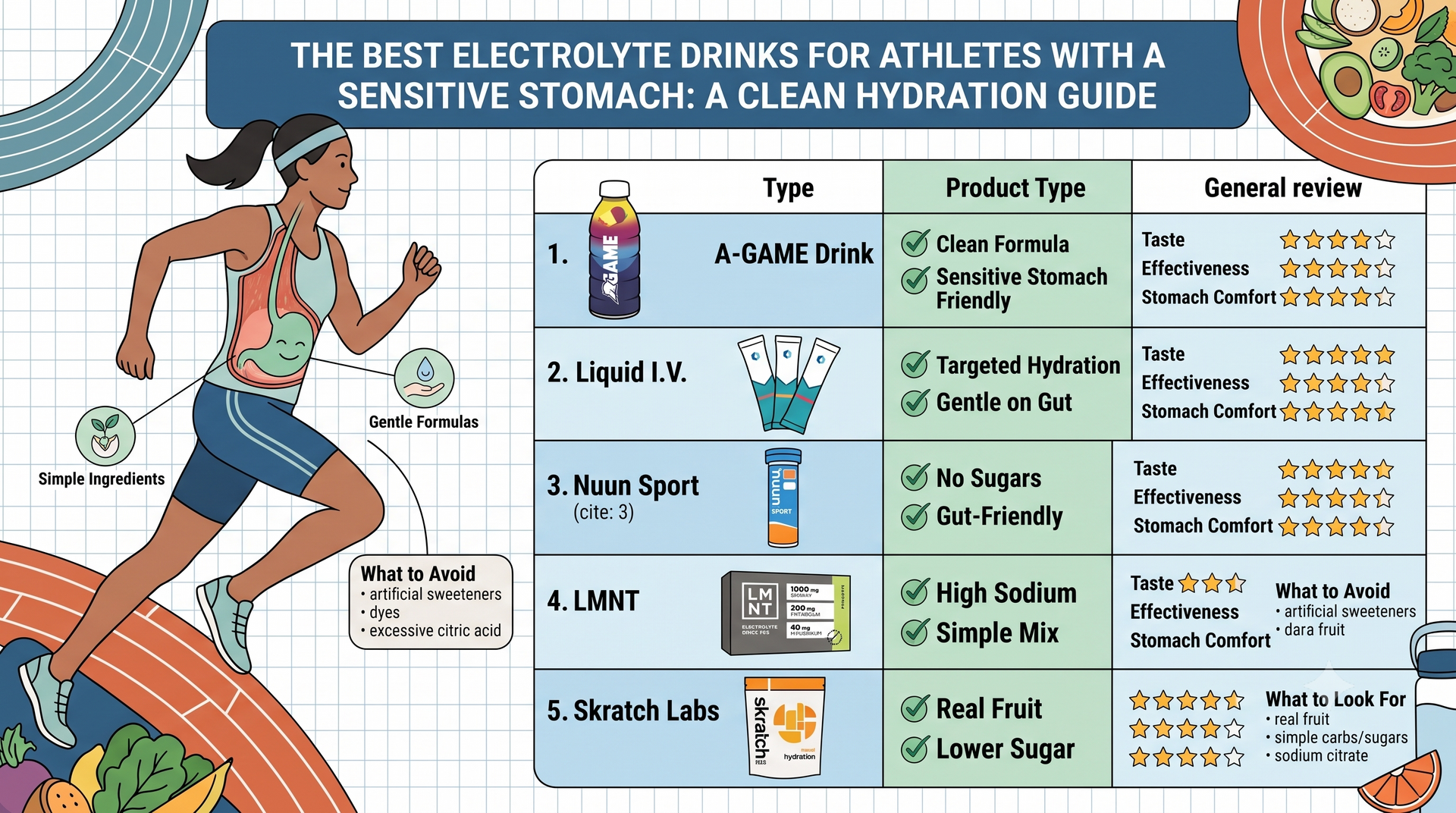
Here’s how the top options compare this year
- Ready-to-drink classics (Gatorade, Powerade) are still strong for long, hard sessions because they combine sodium and carbs.
- Powders and packets (LMNT, Liquid I.V.-style products, tablets) win on portability and customizable strength.
Below is a practical comparison that reflects what most people actually want when they search top rated sports drinks 2026: sugar, sodium, format, and real-world use.
Quick comparison table
Notes: Nutrition can vary by flavor and product line. Always check the label of the exact item you buy.
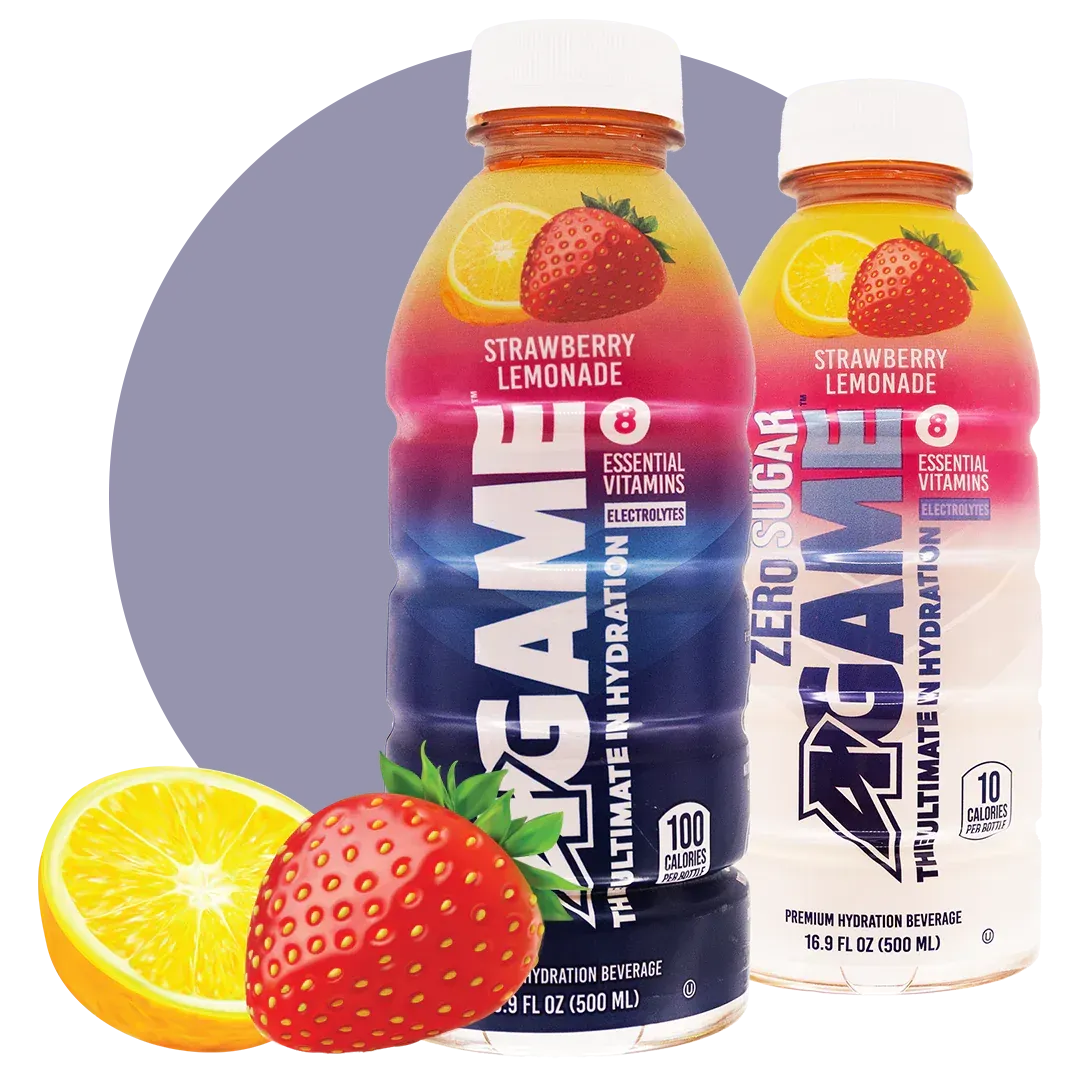
A-GAME Zero Sugar
- Format: Ready-to-drink
- Sugar/carbs (typical serving): 0 g sugar, 7 g carbs per 500 mL listing
- Sodium (typical serving): 250 mg per 500 mL listing
- Best for: Low sugar sports drink preference, practices, and everyday training
- Watch-outs: Contains low-calorie sweeteners and small amounts of honey per label listing; check tolerance
Gatorade Thirst Quencher
- Format: Ready-to-drink
- Sugar/carbs (typical serving): 21 g sugar per 12 oz
- Sodium (typical serving): 380 mg sodium per 12 oz (example listing)
- Best for: Longer, harder training where carbs help
- Watch-outs: Higher sugar for casual sipping
Powerade (Mountain Berry Blast)
- Format: Ready-to-drink
- Sugar/carbs (typical serving): 21 g sugar per 12 oz
- Sodium (typical serving): 240 mg sodium per 12 oz
- Best for: Similar use case to classic sports drinks
- Watch-outs: Higher sugar for short workouts
LMNT
- Format: Packet
- Sugar/carbs (typical serving): 0 g sugar
- Sodium (typical serving): 1,000 mg sodium per packet
- Best for: Heavy sweaters, hot endurance sessions, low-carb plans
- Watch-outs: Very high sodium for everyday use; not for sodium-restricted diets
Pedialyte (oral rehydration style)
- Format: Ready-to-drink
- Sugar/carbs (typical serving): Often lower sugar than sports drinks, higher electrolytes
- Sodium (typical serving): Often higher sodium than sports drinks
- Best for: Illness dehydration or rapid rehydration needs
- Watch-outs: Not designed as a performance fuel drink
Top picks by category (simple, not hype)
Ready-to-drink (grab-and-go):
- Classic carb + sodium: Gatorade, Powerade
- Lower sugar ready-to-drink: A-GAME Zero Sugar (if you want the convenience without the sugar load)
Packets and powders (custom strength):
- Very high sodium option: LMNT (best reserved for heavy sweat scenarios)
- For long sessions that require carbs, look for carbohydrate-electrolyte mixes that help you meet your hourly carb target.
Tablets (ultra portable):
- Good for mild-to-moderate sessions when you primarily want electrolytes without calories.
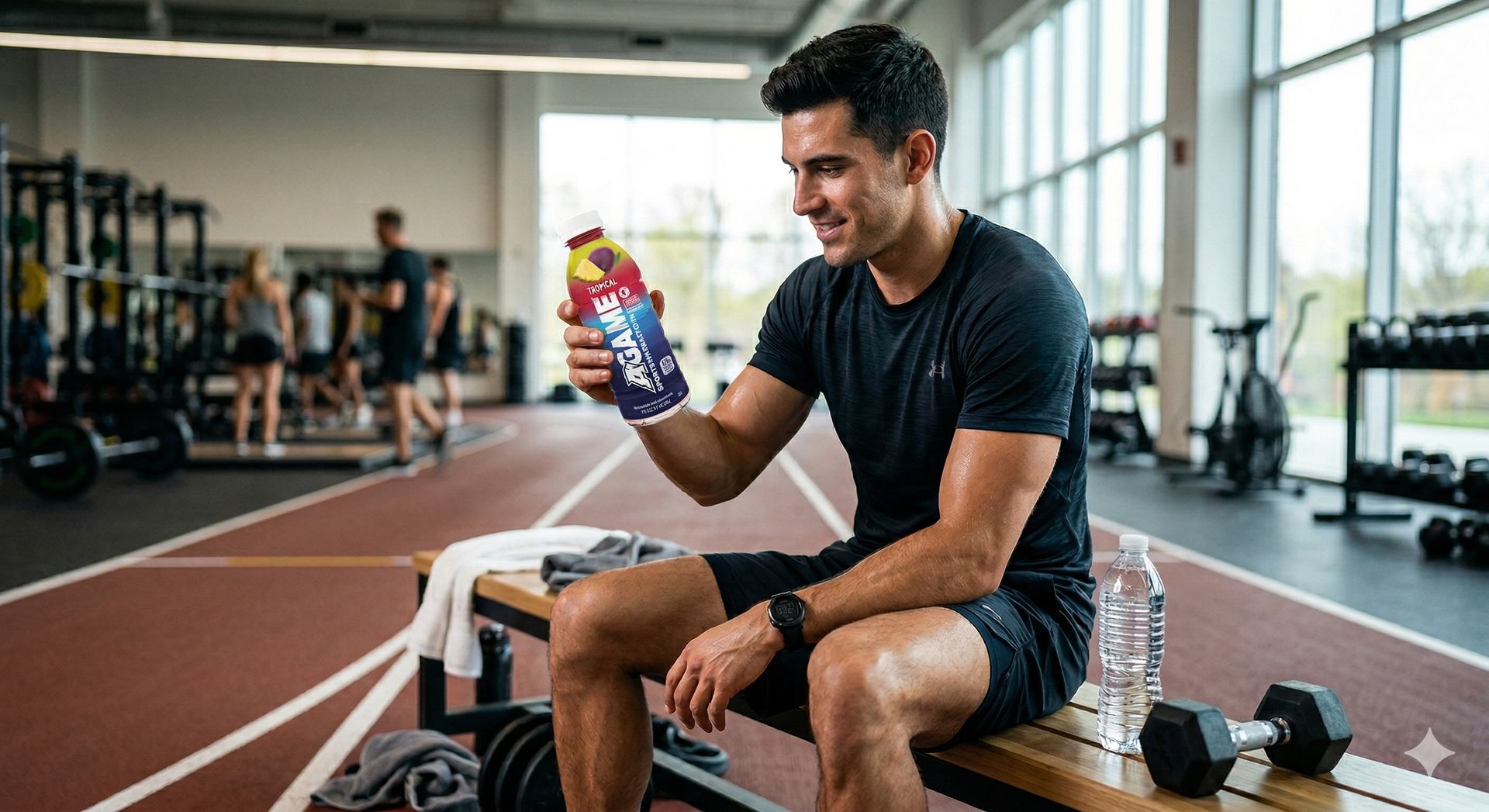
Why A-GAME stands out for athletes and active families
- It targets the “cleaner hydration” lane with no sugar and a practical sodium level, which many athletes prefer for daily training.
- It is built around sea salt and honey as part of its brand positioning, with multiple flavors.
A-GAME’s core positioning is simple: functional hydration without the sugar crash, using natural sea salt for electrolytes and a formula that is meant to taste good enough that you actually drink it.
What the label-style numbers look like (A-GAME Zero Sugar)
One public label listing reports (per 500 mL / 16.9 fl oz):
- 10 calories
- 0 g sugar
- 250 mg sodium
- 160 mg potassium
- 7 g carbs
That sodium level is not “salt bomb” territory, but it is not a trace amount either. It falls within a range many people find workable for practices, gym sessions, and day-to-day training, without feeling like you are drinking syrup or a salt packet.
Ingredient approach: “No fake stuff” positioning
A-GAME’s
site
emphasizes a no-chemicals, no-additives posture and specifically calls out sea salt and honey as part of its identity.
If you are a parent buying for a young athlete, that “cleaner label” framing matters because it helps you avoid turning practice hydration into an added-sugar habit.
Flavors, because compliance is everything
A-GAME has promoted a lineup that includes Dragon Fruit Plum, Concord Grape, Strawberry Lemonade, Tropical, and Citrus, with zero-sugar versions available for some flavors.
In real life, taste is not a bonus feature. Taste is the feature that determines whether the bottle gets finished.
Where to buy A-GAME (and what to expect on pricing)
A-GAME features a store locator and encourages online purchases.
For direct-to-consumer, A-GAME Zero Sugar has been listed online at around $31.99 for a 12-pack, which works out to roughly $2.67 per bottle before shipping or promos.
Real-world use cases (how people actually use it)
Here are three everyday “switch moments” we see when people move from classic sports drinks to low sugar options:
1) The after-work gym regular
You are training 45 to 75 minutes. You want hydration, not a dessert. A low-sugar sports drink can feel better than 20+ grams of sugar, especially if you train late.
2) The tournament parent
Two games on Saturday, another on Sunday, plus heat. You want something your child will drink, but you do not want to stack multiple sugary bottles over the weekend.
3) The team coach
You need a ready-to-drink option you can stock, hand out, and not worry about mixing stations or forgotten packets.
Which sports drink is best for your routine?
- Under ~60 minutes: water or a low-sugar sports drink is usually enough.
- Over ~60 to 90 minutes and at an intense intensity: consider adding carbs during exercise, typically around 30 to 60 g per hour, depending on your goals and tolerance.
A quick decision guide (copy and paste into your notes)
If your workout is under 60 minutes:
- Start with water.
- Add a low-sugar sports drink if you sweat heavily or struggle to drink enough.
If your workout is 60 to 90 minutes:
- If it is moderate, low sugar is still fine.
- If it is hard intervals, conditioning, or heat: a sports drink with sodium and some carbs can help.
If your workout is 90 minutes or longer:
- Plan carbs intentionally. Many sports nutrition resources suggest targeting a meaningful carb intake per hour for performance.
- Use a carb-electrolyte drink (plus gels or food if needed) and consider higher sodium if you cramp or you finish sessions with a big sweat loss.
If you are watching sugar or your stomach hates sweet drinks:
- Choose low-sugar sports drinks (like A-GAME Zero Sugar) for practices and daily training, then “fuel up” with carbs only when performance requires it.
If you are a heavy sweater:
- Consider higher sodium options for long, hot sessions, but treat very high-sodium packets as a tool, not a default beverage.
What you need to know before you choose
- Do not over-rely on sports drinks for casual hydration, especially higher sugar options.
- If you have high blood pressure, kidney disease, or a sodium-restricted diet, talk with a clinician before using high-sodium products regularly.
Three label-reading mistakes that drive bad picks
Mistake 1: Thinking “electrolytes” means “enough sodium.”
Some drinks sprinkle electrolytes for marketing. Look for sodium in a range that matches your workout.
Mistake 2: Treating sugar as always bad or always good.
Sugar is a tool. It is helpful for long, intense training because it supports carbohydrate intake, but it is unnecessary for many short workouts.
Mistake 3: Ignoring total daily context.
If your diet is already high in sodium or added sugars, you may want your sports drink to be lower sugar and moderate sodium most days, and only go “performance heavy” when the workout demands it.
The Smarter Hydration Checklist
Use this as your “grab-and-go” guide for practices, gym days, and game day.
Smarter Hydration Checklist
- Before training: check the weather and plan your bottle(s)
- During training: sip early, do not wait until you feel thirsty
- After training: replace fluids, include sodium if you finished salty and dried out
- If training is long or intense: plan carbs per hour, not “whatever happens”
- For kids: use sports drinks for heat, tournaments, and long practices, not as daily flavored water
- For tested athletes: verify certification status through official directories
ready to try a-game?
The best sports drinks of 2026 are not about hype. They are about matching the drink to the demand. Use classic carb-and-sodium drinks when performance actually needs fuel, use higher-sodium tools when sweat loss is real, and lean on a low-sugar sports drink when you want consistent hydration without turning every practice into a sugar hit.
Ready to upgrade your hydration? Try A-GAME today!