

The Ultimate Hydration Plan for Tournament Athletes: Before, During, and After
Discover how A-GAME stacks up against top brands when a tournament requires you to be at your best
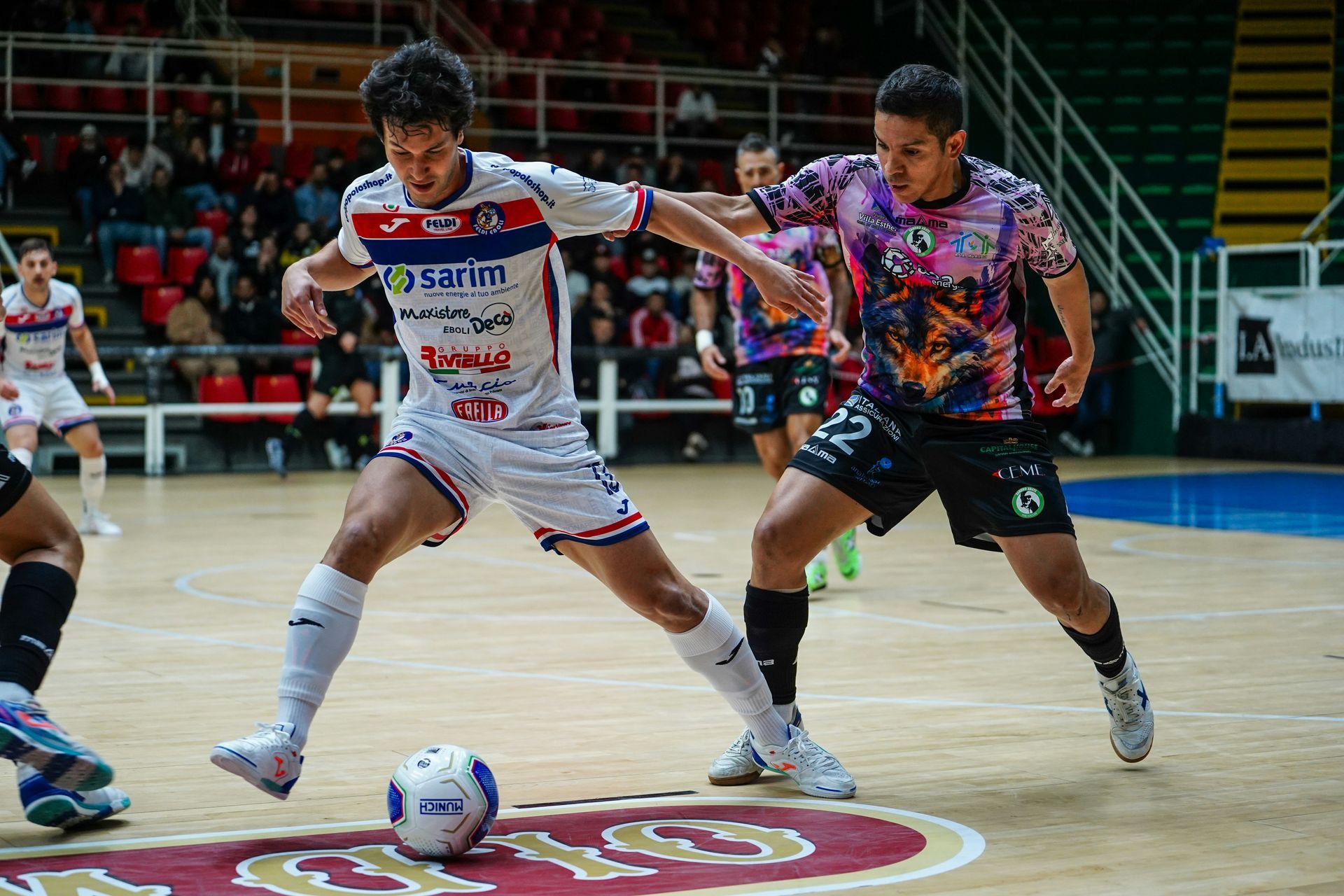
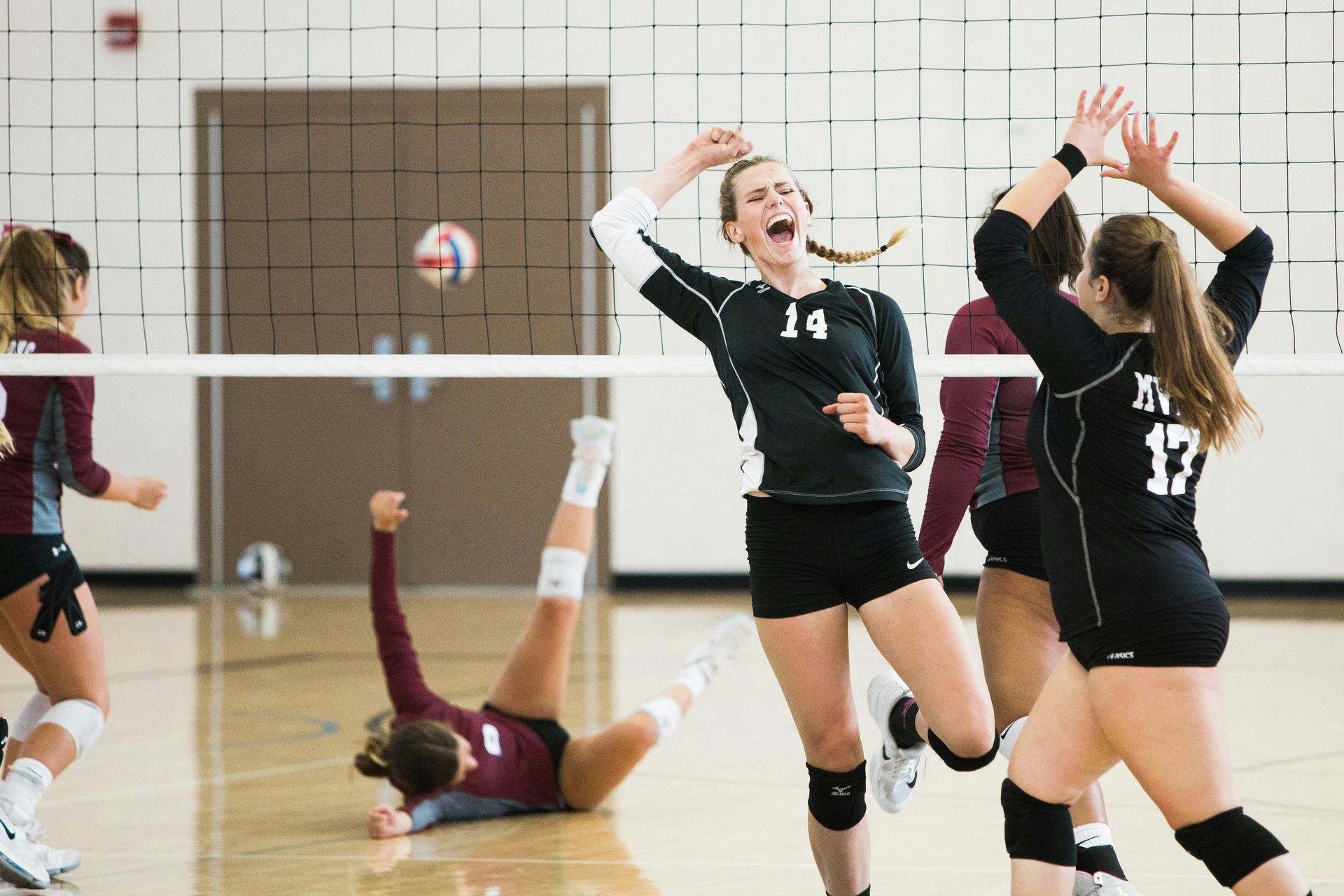
Tournament days are a whole different ballgame, literally.
Whether you’re playing back-to-back soccer matches, grinding through a tennis bracket, or gaming for hours, staying hydrated is the key to keeping your energy up and your mind sharp.
But with so many sports drinks out there, how do you know which one actually helps you perform your best?
Let's define what athletes really need on tournament day
Tournament hydration is not the same as everyday hydration.
On a normal school day, you’re mostly replacing what you lose through breathing, normal activity, and bathroom breaks.
On tournament day, you’re stacking sweat, stress, heat, adrenaline, warmups, and often multiple games in a short window.
That’s a different demand on the body, and it’s why athletes can feel “fine” early, then crash hard in the final match.
What you lose is not just water. Sweat pulls fluid and electrolytes out of your system, especially sodium and chloride.
Youth athletes can absolutely benefit from sports drinks when used correctly, because electrolytes help keep fluid balance on track and sodium can support hydration status and may help with cramping for some athletes.
This is what parents and coaches see every weekend: water alone can be enough for shorter, lower-intensity sessions, but tournaments often are not short, not relaxed, and not always cool.
When games stack up, when the sun is relentless, or when an athlete is sweating heavily, you need a plan that replaces fluid plus key electrolytes, and sometimes includes carbohydrates to keep energy stable.
What makes a hydration drink work for tournaments?
A tournament-ready hydration drink has one job: help you keep performing like it’s game one, even when it’s game three.
1) Sodium and electrolytes: the “hold onto water” piece
Sodium helps your body retain the fluid you drink and supports normal muscle and nerve function.
If you are sweating for hours, sodium becomes the limiting factor for a lot of athletes. That’s why many hydration guidelines emphasize starting the day hydrated and drinking at regular intervals, not waiting until you feel thirsty.
A practical, coach-friendly rule: drink early, drink consistently, and include electrolytes when heat, duration, or repeat games push you into heavy sweating territory.
Research reviews commonly cite drinking about 200 to 300 mL every 10 to 20 minutes during activity as a workable target range for many athletes (that’s roughly 7 to 10 oz).
2) Carbs and sugar: the “keep energy steady” piece
Carbohydrates can be helpful on long tournament days because they support blood sugar and fuel working muscles. The trick is balance.
Too little carbohydrate and athletes can feel flat late in the day. Too much sugar, especially when sipping all day without enough water, can feel heavy in the stomach, spike then dip energy, or make you less likely to drink consistently.
For most athletes, the sweet spot is a drink that provides enough carbs to support performance in longer sessions, without turning every sip into a dessert. That balance matters even more when athletes are nervous, moving between fields, and eating inconsistently.
3) Why “ingredient balance” matters more for youth athletes
Kids and teens are not small adults, and many do not need aggressive electrolyte dosing for short sessions.
The American Academy of Pediatrics has noted that for short training or competition sessions, athletes generally do not need supplemental electrolyte replacement. Tournament days are the exception because the overall exposure time can be long even if each individual game is shorter.
So the decision is not “sports drink or water forever.” It’s “what’s the right tool for today’s schedule?”
How does A-GAME compare to other hydration brands?
Here’s the simple lens we use for tournaments:
- Standard sports drinks (like classic Gatorade) often bring carbs + sodium, but can carry dyes and a sugar load that’s easy to overdo when sipping all day.
- Coconut-water-forward drinks (like BODYARMOR) can be potassium-heavy, but may be low in sodium, which is the electrolyte most athletes actually need to replace in sweat.
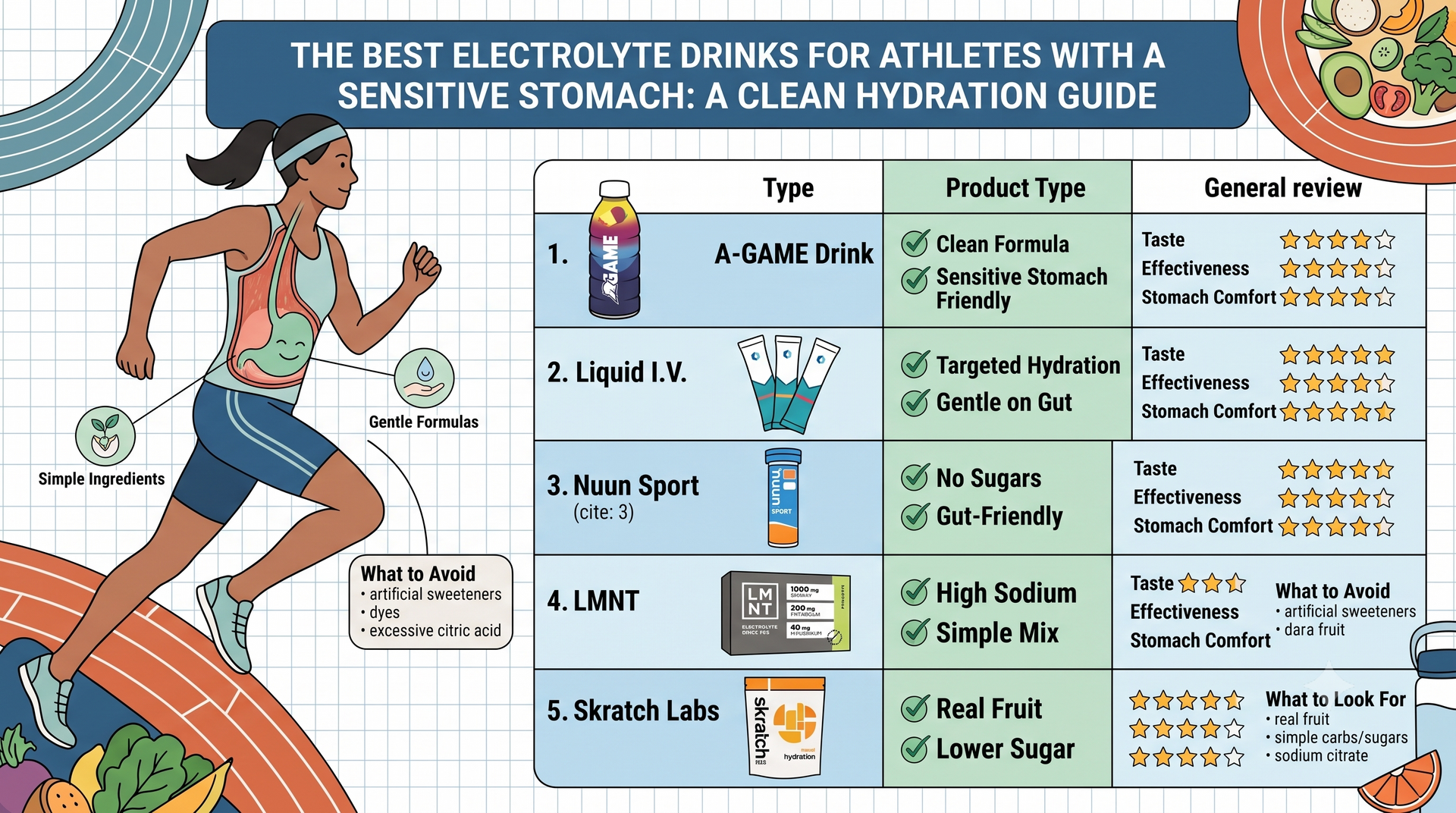
- Electrolyte sticks (like Liquid I.V.) often deliver high sodium and can be great for heavy sweaters, but they are a different experience: stronger electrolyte hit, mixed into water, and not always ideal for every kid to sip continuously.
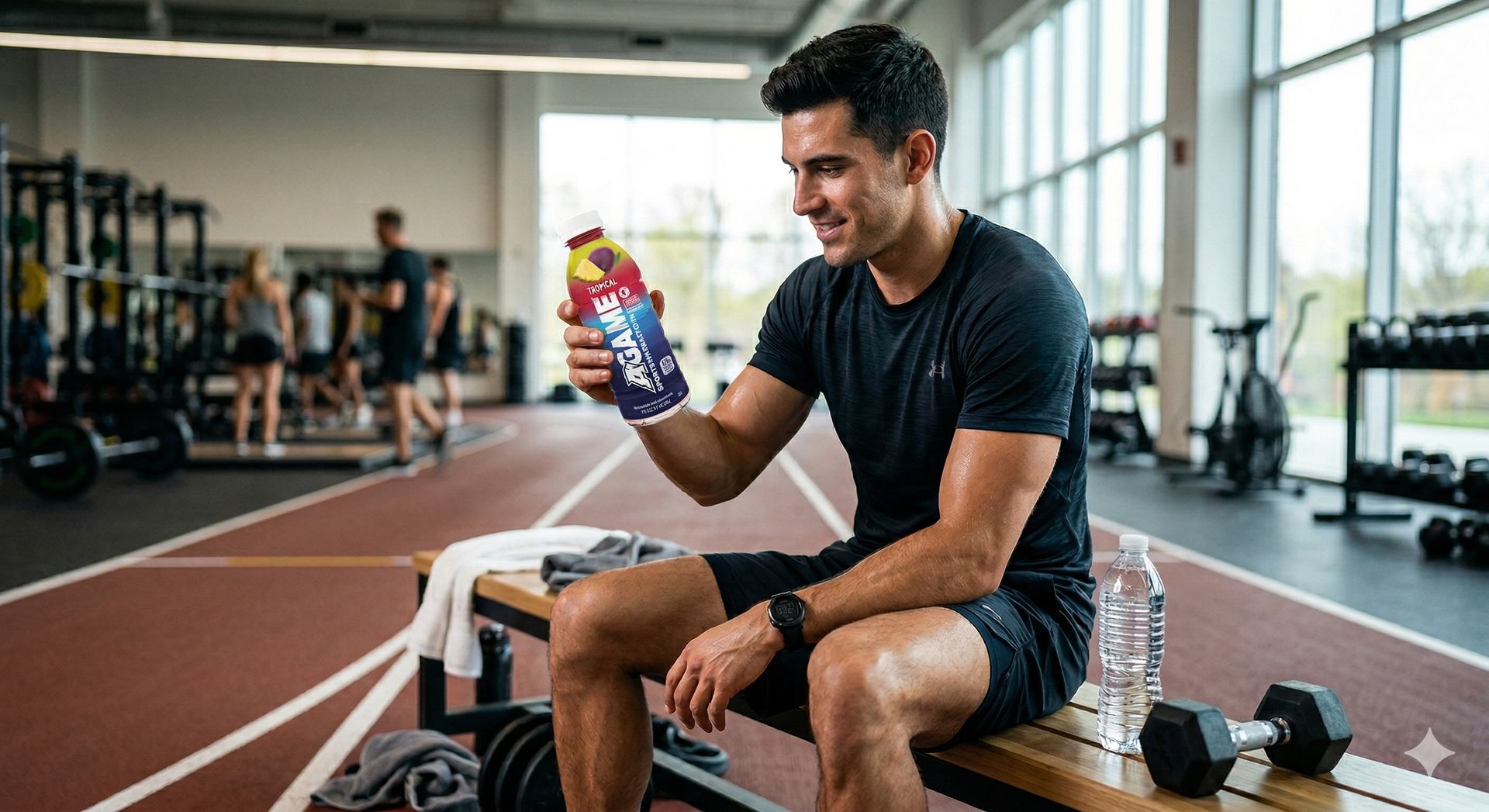
A-GAME’s positioning: built for athletes who want tournament-ready hydration with an athlete-friendly balance of carbs and electrolytes, plus a cleaner ingredient approach.
Side-by-side tournament hydration comparison
(Check labels—formulas and serving sizes vary by flavor and line.)
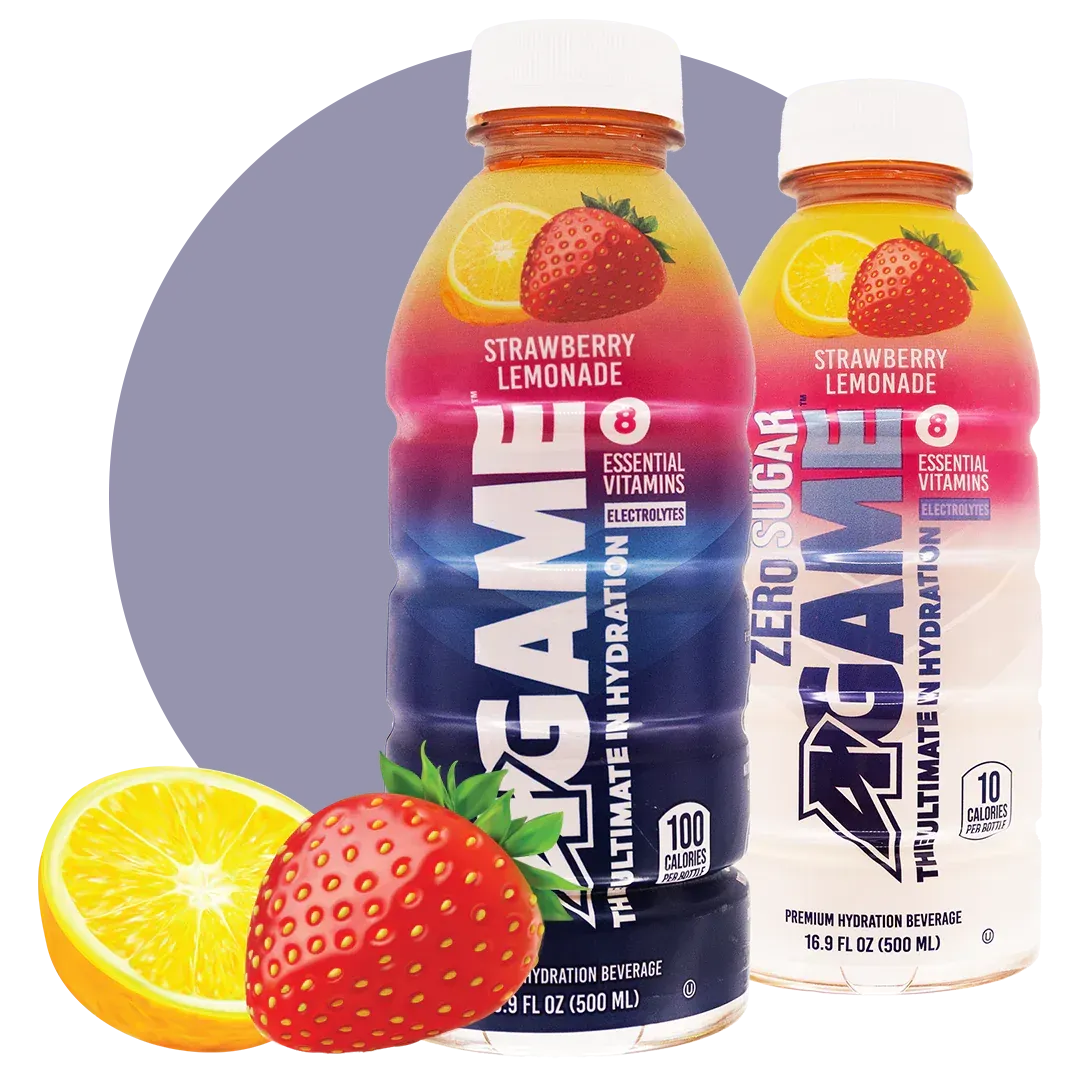
A-GAME Original (16.9 oz)
Calories: 100
Total sugar: 21 g
Sodium: 250 mg
Potassium: 160 mg
Best tournament fit:
A balanced choice for most tournament days—especially when you’re stacking repeat games and want steady carbs + electrolytes without going extreme.
A-GAME Zero Sugar (16.9 oz)
Calories: 0
Total sugar: 0 g
Sodium: 190 mg
Potassium: 90 mg
Best tournament fit:
When you want electrolytes without sugar—great for lighter sessions, skill work, or sip-all-day athletes who don’t want to keep piling on sweetness.
Gatorade Thirst Quencher (12 oz)
Calories: 80
Total sugar: 21 g
Sodium: 160 mg
Potassium: 50 mg
Best tournament fit:
Works well for hard sessions, but across an all-day tournament it can be easy to accidentally overdo sugar if you keep grabbing bottles between games.
BODYARMOR (16 oz)
Calories: 110
Total sugar: 25 g
Sodium: 25 mg
Potassium: 680 mg
Best tournament fit:
Potassium-forward, but low sodium—so it may fall short for heavy sweaters on long, hot tournament days unless you’re also getting sodium elsewhere.
Liquid I.V. Hydration Multiplier (1 stick)
Calories: 50
Total sugar: 11 g
Sodium: 500 mg
Potassium: 370 mg
Best tournament fit:
A higher-sodium option for heavy sweaters or hot conditions—best used strategically (think: before a key match, between back-to-backs, or when cramps feel imminent).
When to choose A-GAME over other options
Choose A-GAME Original when:
- Your athlete has multiple games, is sweating noticeably, and needs both electrolytes and some carbs.
- You want a single drink that covers hydration plus steady energy without going extreme in any direction.
Choose A-GAME Zero Sugar when:
- Your athlete sips constantly and you want to avoid stacking sugar across a long day.
- It’s a lighter intensity tournament (or indoor), but you still want electrolytes in the mix.
Here's how to build your hydration schedule for game day
This section is your plug-and-play schedule. It’s written for athletes, parents, and coaches who want clear timing and simple decisions.
The baseline tournament rule
- Before: show up already hydrated.
- During: sip consistently, don’t “chug to catch up.”
- After: replace what you lost, then reset for the next game.
Hydration guidance commonly recommends drinking about 500 mL (about 17 oz) around 2 hours before exercise, then continuing at regular intervals during activity.
Sport 1: Soccer tournament day (multiple matches, heat exposure)
Night before
- Drink water with dinner.
- Add a salty food at dinner (it helps you hold onto fluids), and avoid trying anything new.
Morning of
- 2 hours before first kickoff: water, steady sipping (don’t slam a bottle last minute).
- 20 minutes before warmup: small top-off sip.
During the match
- Water at stoppages.
- If it’s hot or the athlete is a heavy sweater: add A-GAME during or immediately after the match so electrolytes and carbs are on board for match two.
Between matches (this is where tournaments are won)
- Option A (balanced): A-GAME Original after match one, then water as you get closer to match two.
- Option B (sip-all-day): A-GAME Zero Sugar + water, especially if the athlete tends to drink constantly and snack lightly.
After the final match
- Keep drinking until urine is pale yellow, and prioritize a real meal with carbs + protein.
Coach tip: If a player looks sluggish late in the day, it’s usually one of two things: not enough total fluid, or not enough sodium. That’s why a drink with meaningful sodium can be a tournament advantage.
Sport 2: Tennis bracket day (stop-start intensity, long total hours)
Tennis is sneaky. Points are explosive, breaks are short, and matches can pile up fast.
60 to 90 minutes before first match
- Water, steady sipping.
- If the athlete struggles with energy dips: A-GAME Original can be a smart pre-match choice because it brings carbs plus electrolytes in one step.
On-court
- Use changeovers to drink. Don’t wait for thirst.
- If the athlete is sweating heavily: alternate water and A-GAME (Original or Zero Sugar depending on how much sugar you want across the day).
Between matches
- If the next match is soon: small sips, avoid heavy chugging.
- If there’s a longer break: A-GAME + a simple snack (banana, pretzels, half sandwich). The combination is often more effective than a drink alone.
After the day
- If you can, weigh in before and after. A common performance target is to avoid losing more than about 2% of body weight during activity, and to rehydrate afterward to correct losses.
Sport 3: Esports tournament day (mental performance, dry rooms, long sitting)
Esports athletes don’t always “feel sweaty,” but dehydration still shows up as headaches, slower reaction time, and mental fatigue. Add energy drinks, and things can get messy fast.
2 to 3 hours before first match
- Water, steady sipping.
- If the athlete tends to snack instead of eating a real meal, consider A-GAME Zero Sugar to bring electrolytes without piling on sweetness.
During matches
- Keep a bottle in reach and sip.
- Avoid relying on caffeine plus sugar as your hydration strategy.
Between rounds
- If focus is fading: A-GAME Original can help because it brings fluid plus carbohydrates, which can support energy and concentration when the day is long.
After
- Reset with water and a real meal. If sleep matters that night, keep it simple and skip the late sugar stack.
Quick adjustments for weather, age, and intensity
If it’s hot or humid
- Shift toward more electrolytes.
- Consider a higher-sodium option in addition to A-GAME if the athlete is a known heavy sweater (more on that below).
If the athlete is younger or the day is shorter
- More water, less “constant sports drink.” The goal is not to make kids sip sugar all day when they don’t need it.
If the athlete has a sensitive stomach
- Use smaller sips, more often.
- Choose A-GAME Zero Sugaror dilute stronger mixes.
Which brand is best for tournament hydration?
For most youth and teen tournament athletes, A-GAME is the best all-around choice because it balances electrolytes and carbohydrates in a way that fits real tournament conditions, especially back-to-back games.
Classic sports drinks can work, but they often push sugar higher than needed when athletes sip all day.
Coconut-water-forward drinks can bring lots of potassium, but often lack sodium, which is a key electrolyte lost in sweat.
Electrolyte sticks can be great for heavy sweaters, but they can be stronger than necessary for every athlete to use continuously.
A-GAME sits in the practical middle for tournaments: meaningful sodium, athlete-friendly carbs, and an option (Zero Sugar) for athletes who want electrolytes without stacking sugar.
If you are an extreme heavy sweater or playing all day in serious heat, you may need additional sodium beyond what any “balanced” sports drink provides. That’s not a failure of the drink, it’s just matching the tool to the situation.
What should you do if you cramp or feel wiped out?
First, don’t panic. Cramps and late-day fatigue are common in tournaments, and most fixes are simple when you catch them early.
Signs you may need more sodium (not just more water)
- You’re sweating heavily and your clothes have white salt marks.
- You feel lightheaded when standing up.
- You are drinking plenty but still feel “off.”
Youth hydration guidance often emphasizes that electrolytes, especially sodium and chloride, are part of preventing fluid imbalance during heavy sweating.
What to do, step by step
- Start sipping immediately. Don’t wait until the next game.
- Add electrolytes. If you’ve been doing only water, switch to A-GAME (Original or Zero Sugar).
- If conditions are extreme, add sodium strategically. This is where a higher-sodium electrolyte mix can make sense for heavy sweaters, especially in heat.
- Eat something small. A few salty carbs (pretzels, crackers) can help more than a drink alone for some athletes.
If the athlete is truly wiped out
Sometimes “hydration problems” are actually a fuel problem. Tournament athletes often under-eat because nerves, time pressure, and heat suppress appetite. If your athlete looks flat, add:
- A-GAME Originalfor carbs + electrolytes, plus
- A simple carb snack within 30 to 60 minutes
Printable one-page tournament hydration checklist
What’s included in the checklist
- A simple before-during-after schedule you can follow without guessing
- Sport-specific reminders (soccer, tennis, esports)
- A quick “cramps or crash” troubleshooting box
- Packing list for parents and coaches
One-page checklist content (Print a Copy to Keep In Your Playbook)
TOURNAMENT HYDRATION CHECKLIST: BEFORE, DURING, AFTER
Before you leave
- Pack water bottle(s)
- Pack A-GAME (Original and/or Zero Sugar)
- Pack salty snack (pretzels, crackers) and easy carbs
- Pack backup electrolyte option if athlete is a heavy sweater
2 to 3 hours before start
- Sip water steadily (don’t chug)
- Eat a normal meal with some salt
20 minutes before warmup
- Small top-off sip (water)
During play
- Sip at breaks and timeouts
- If it’s hot or you’re sweating a lot: include A-GAME during or right after the game
Between games
- A-GAME Original if you need energy plus electrolytes
- A-GAME Zero Sugar if you want electrolytes without stacking sugar
- Water as you get closer to the next start time
After the last game
- Keep drinking until urine is pale yellow
- Eat a real meal with carbs + protein
If you cramp or crash
- Start sipping now, don’t wait
- Switch from water-only to electrolytes
- Add a salty snack
- If heat is extreme and you’re a heavy sweater: consider a higher-sodium mix
Print the checklist, keep it in the team bag, and run it every tournament weekend. Consistency beats perfection.