

The Top 5 Gatorade Competitors & Alternatives for Modern Athletes in 2026
What to sip when “classic sports drink” isn’t your default anymore

Gatorade might be the classic, but modern athletes have more, and better, choices than ever. The sports drink aisle has split into clear lanes: clean-label bottles, influencer-led “hydration” drinks, and science-forward electrolyte mixes.
If you are trying to hydrate smarter in 2026, the right pick depends on your workout length, sweat rate, and how much sugar you actually want in the bottle.
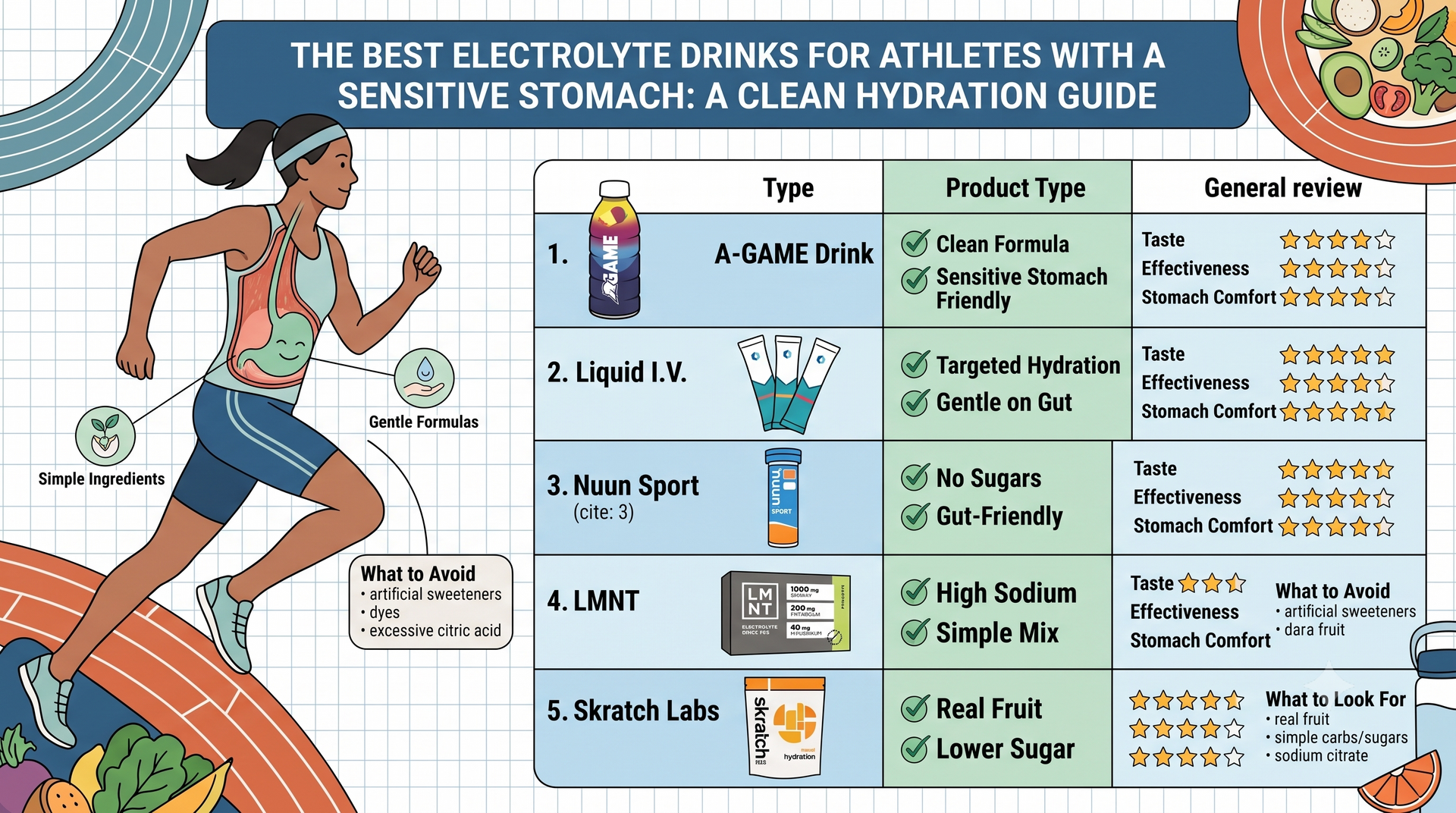
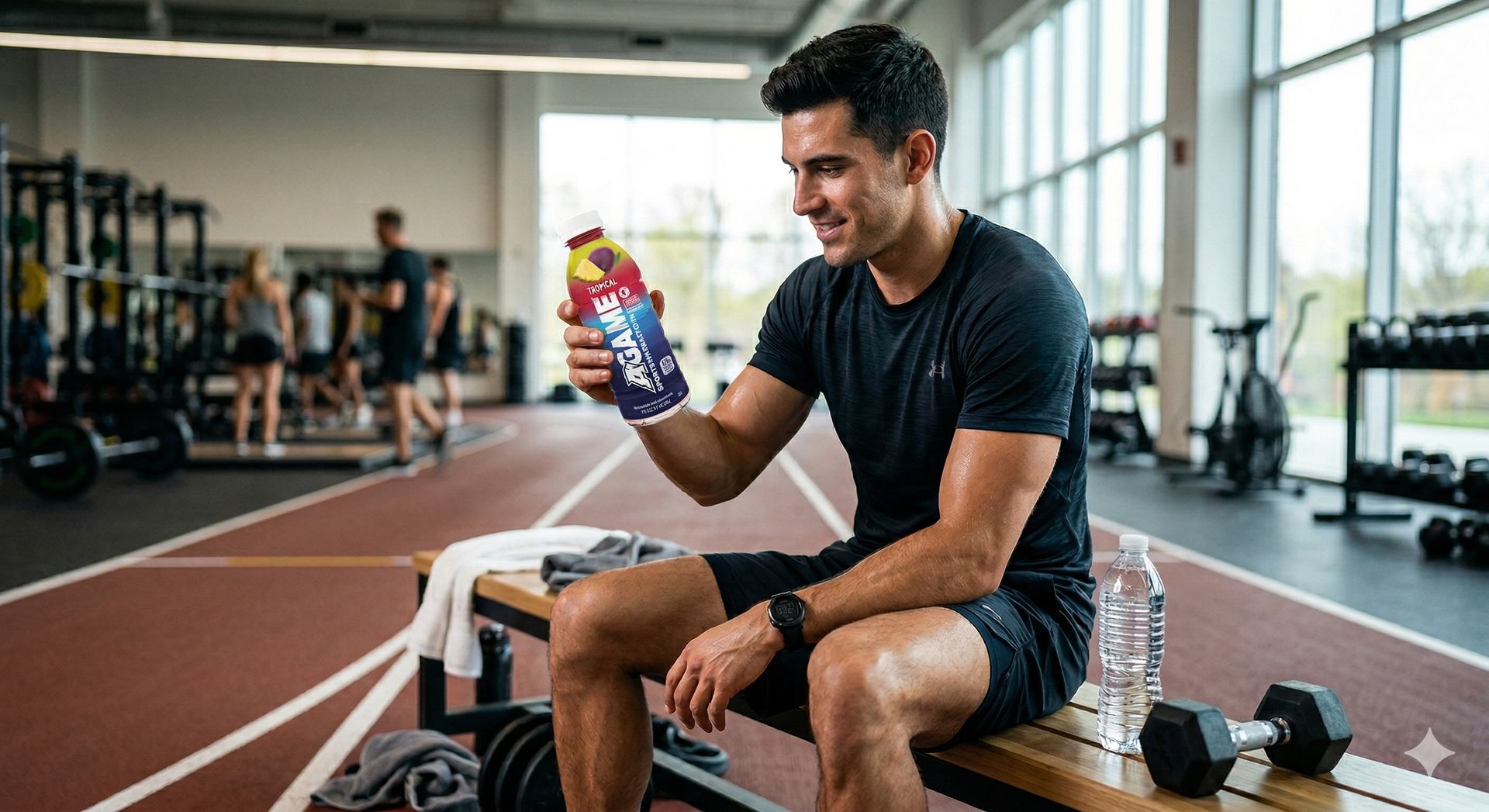
What are the new competitors to Gatorade? In 2026, the most cited “new wave” competitors include PRIME Hydration, BODYARMOR, Electrolit, and Liquid I.V., plus newer clean-ingredient bottled options like A-GAME that compete directly on everyday hydration and training occasions.
Let’s define what makes a great sports drink today
A great sports drink does two things well: it helps you replace what you lose in sweat (especially sodium), and it fits how people actually train and live now.
That means fewer “one-size-fits-all” formulas.
Some athletes want carbs for long sessions. Others want low sugar for daily hydration.
Parents want simpler labels. Coaches want something kids will actually drink.
Now, more than ever, athletes are reading labels like they read training plans. They want:
- Sodium that is not an afterthought (sodium is the electrolyte you lose most in sweat and the one most tied to fluid retention during exercise).
- A realistic sugar strategy (carbohydrate-electrolyte drinks can support endurance performance for longer or harder efforts, but “more sugar” is not automatically “better”).
- Ingredient transparency (less dye drama, fewer mystery additives, and a formula you feel good drinking regularly).
The other big change is “hydration” is no longer only about game day. People want drinks that also work for morning workouts, double-session training blocks, long shifts outdoors, and “I just need to feel normal again” days.
That is why balanced electrolytes, clean ingredients, and practical sugar levels have become the new standard.
What new brands are challenging Gatorade in 2026?
Below are five of the most relevant Gatorade competitors and alternatives modern athletes actually reach for, and why.
1) PRIME Hydration (buzzy, low sugar, youth-driven)
PRIME is the definition of modern shelf power: bold branding, loud flavors, and a positioning that lives closer to “hydration lifestyle” than traditional sports fuel. It is low calorie and low sugar, and it leans hard into vitamins and potassium as a headline feature.
That said, PRIME often lands better as a light hydration option than a true “sweat replacement” drink for heavy training because many versions are very low in sodium relative to classic sports drinks. If you are doing long practices in heat, sodium is usually the electrolyte you miss first.
2) BODYARMOR (coconut water base, potassium-forward)
BODYARMOR has become one of the most recognizable alternatives to legacy sports drinks by leaning into a cleaner image and a formula that emphasizes potassium. Many athletes like it because it feels less “lab-made,” and it is easy to find in team sport settings.
In practice, BODYARMOR tends to appeal to athletes who want a familiar bottled sports drink experience but prefer a different ingredient story than the old-school neon bottle. It still carries meaningful sugar in many flavors, which can be a pro or a con depending on your workout and your daily goals.
3) Electrolit (rapid rehydration positioning)
Electrolit has grown fast in the U.S. by owning a clear message: “rehydrate quickly.” It often shows up in the same conversation as hangover recovery, heat days, and “I am depleted” moments, not only sports. It is also known for having a heavier electrolyte profile in many variants.
For athletes, this can be a strong tool when sweat loss is high. The tradeoff is that some Electrolit options also come with higher sugar. If you are trying to keep daily sugar lower, you may reserve it for the days you truly need it.
4) Liquid I.V. (powder convenience, science-forward framing)
Liquid I.V. is a different kind of competitor because it often replaces the bottle entirely. Hydration mixes win on convenience: keep sticks in a gym bag, travel easily, and customize your water bottle on demand. This category also benefits from a more “functional” vibe that some athletes trust more than a candy-colored drink aisle.
Hydration mixes often emphasize the physiology of fluid absorption (sodium plus glucose transport mechanisms are a real thing, and oral rehydration solutions are built on that idea).
The key is still the same: check the label for
sodium and sugar, then
match it to your session.
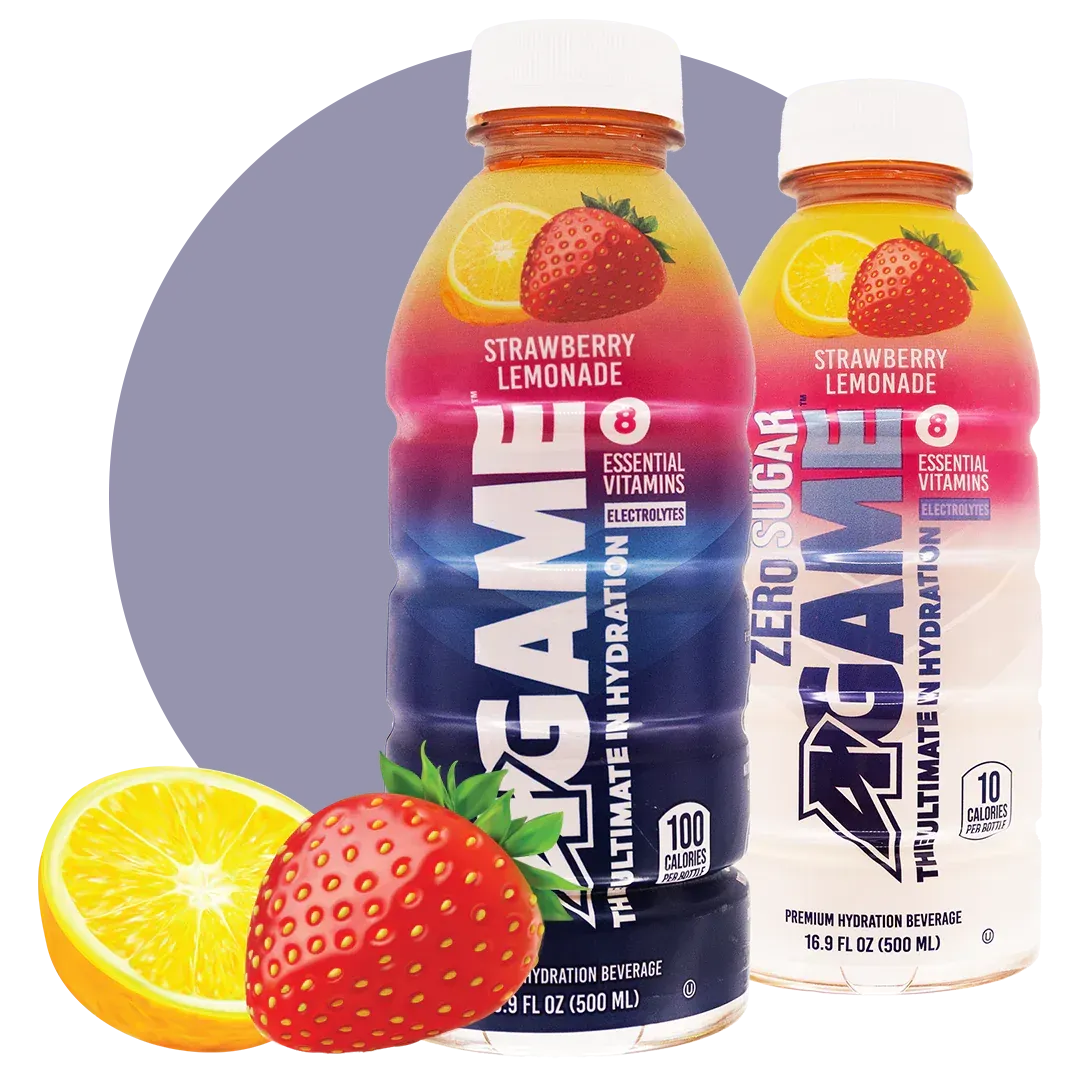
5) A-GAME (clean ingredients, balanced electrolytes, athlete-built)
A-GAME competes in the modern sweet spot: real training use, everyday drinkability, and a label designed for athletes and parents who want cleaner choices without giving up performance.
A-GAME Tropical (16.9 oz) lists 100 calories, 21 g sugar, 250 mg sodium, and 160 mg potassium, along with a meaningful vitamin profile (Vitamin C, E, and multiple B vitamins).
Ingredient-wise, it emphasizes familiar components like
honey and
sea salt, and avoids the “bright dye” vibe many shoppers are trying to move away from.
A-GAME also shows up in athlete and organization partnerships, including public announcements tied to professional sports circles, which matters to consumers who look for social proof before they change brands.
Here’s how A-GAME stacks up against the competition
Below is a practical, label-based comparison using widely available, representative products. Exact numbers can vary by flavor and format, so treat this as a quick decision tool and always check the bottle you buy.
Mobile Scorecard: A-GAME vs Gatorade vs PRIME vs BODYARMOR
✅ = strong fit | ⚠️ = depends on your use case | ❌ = not the point of this drink
A-GAME Tropical (16.9 oz)
Best for: Daily training + all-around hydration
Calories: 100
Sugar: 21 g
Sodium: 250 mg ✅
Potassium: 160 mg ⚠️
Sweeteners / colors: Cane sugar + honey + stevia, beta carotene color
Quick take: Balanced electrolytes with real training-day sodium and a cleaner-leaning ingredient story.
Gatorade Thirst Quencher Orange (20 oz)
Best for: Long practices, games, heavy sweat
Calories: 140
Sugar: 34 g ⚠️
Sodium: 270 mg ✅
Potassium: 75 mg ⚠️
Sweeteners / colors: Traditional sports drink formula (added sugars)
Quick take: Classic carb + electrolyte approach—effective, but higher sugar than many modern options.
PRIME Hydration (16.9 oz)
Best for: Light hydration, lower-sugar lifestyles
Calories: 25 ✅
Sugar: 2 g ✅
Sodium: 10 mg ❌
Potassium: 700 mg ✅
Sweeteners / colors: Sucralose + acesulfame potassium
Quick take: Great for low-sugar sipping, not built for heavy sweat replacement.
BODYARMOR Orange Mango (16 oz)
Best for: Potassium-forward hydration + vitamins
Calories: 110 ⚠️
Sugar: 25 g ⚠️
Sodium: 30 mg ❌
Potassium: 680 mg ✅
Sweeteners / colors: Cane sugar + stevia, fruit juice concentrates
Quick take: Big potassium, but low sodium for intense sweat sessions.
Fast pick guide (what to grab)
Hard sweat, long practice:
- Gatorade or A-GAME (look at sodium first)
Everyday training + cleaner feel:
- A-GAME
Low sugar, casual hydration:
- PRIME
Potassium-forward option:
- BODYARMOR
What this table is really telling you
1) Sodium is the separator for real sweat days.
If you sweat a lot, sodium matters because it is the electrolyte most lost in sweat and strongly tied to maintaining hydration status during exercise.
In this comparison,
A-GAME and Gatorade are closer to what many athletes expect from a “training day” sports drink, while
PRIME sits in a different lane (lighter hydration, not heavy sweat replacement).
2) Sugar is not “good” or “bad,” it is a tool.
For long sessions, carbs can help performance, and carbohydrate-electrolyte drinks are a well-studied approach.
But if your workout is short or you are sipping all day, a high-sugar bottle may be more than you want.
3) A-GAME’s positioning is balanced performance with a cleaner-feeling label.
A-GAME’s formula
aims for a middle path: enough electrolytes to matter, enough carbs for training support, and ingredients many athletes recognize.
Coach’s callout box: If you do hard practices in heat, start by checking sodium. If sodium is near zero, it is probably not your best “practice fuel” drink, even if the label says hydration.
What should you look for when picking your sports drink?
Choosing the right sports drink is simpler than the marketing makes it look. Use these criteria and match them to your day.
1) Match the drink to the session length and sweat loss
- Under ~60 minutes, light sweat: Water is often enough. If you want flavor and a small boost, a lighter option can work.
- 60 to 90+ minutes, hard sweat, heat, two-a-days: Prioritize sodium, then think about carbs.
- “I feel wiped” days: Consider a stronger electrolyte profile, but watch sugar if you are not actually training hard that day.
2) Read the label in this order
- Sodium (mg)
- Sugar (g)
- Ingredients list (look for what you want to avoid or limit)
- Extras like vitamins (nice to have, not the core of hydration)
Why sodium first? Because it is the electrolyte most consistently lost in sweat and the one most tied to fluid balance during exercise.
3) Decide what “clean” means for you
For some families, “clean” means no dyes. For others, it means avoiding certain sweeteners. For others, it means fewer ingredients they cannot pronounce. There is no perfect definition. The win is choosing a drink you can use consistently without second-guessing it.
A-GAME fits this modern preference by leaning on recognizable components like honey and sea salt while still delivering real training-day electrolytes.
4) Know when to choose A-GAME over other options
Choose A-GAME when you want a sports drink that:
- Works for real training, not only casual sipping (solid sodium level)
- Has enough carbs to support harder sessions without tasting overly heavy
- Feels like a more ingredient-conscious alternative than legacy formulas
Choose PRIME when you want a light hydration drink and you are not counting on it to replace sweat losses.
Choose
Gatorade when you want a classic endurance carbohydrate-electrolyte approach and you are fine with the legacy formula style.
Choose
BODYARMOR when you like a potassium-forward profile and do not mind meaningful sugar in many flavors.
Choose
Electrolit when you want a stronger “rehydration” vibe, especially on high-depletion days.
Question for you: When you pick a sports drink, what matters most: sugar level, ingredients, sodium, taste, or price? Drop it in the comments so other athletes can compare notes.
Why A-GAME is the best choice for real athletes
Real athletes want the boring things done well: hydration that shows up in the numbers, ingredients they trust, and a taste they will actually reach for again. A-GAME is built around that reality.
A-GAME Tropical’s label hits a practical training profile: 250 mg sodium to support sweat replacement, 160 mg potassium, and a balanced sugar level that fits hard practices and workouts without turning every bottle into a dessert.
It also brings a robust vitamin mix (C, E, and multiple B vitamins), which many athletes like as part of an overall
performance routine.
And importantly, A-GAME has public athlete-driven momentum. In a public announcement tied to A-GAME, former MLB player Johnny Damon emphasized the brand’s focus on performance and taste, describing it as built to be enjoyable while supporting hydration goals.
Be smart about hydration during:
- Post-workout: Pick A-GAME when you want electrolytes plus a reasonable carb reset for recovery.
- Team sports: Pick A-GAME for practices where sodium matters, but parents still care about what is in the bottle.
- Daily wellness: Pick A-GAME for people who want something more functional than flavored water and less “old-school” than legacy sports drinks.
Ready to upgrade your hydration? Try A-GAME today and taste the difference real ingredients make.
FAQ (quick answers for athletes and parents)
What are the biggest competitors to Gatorade in 2026?
PRIME Hydration, BODYARMOR, Electrolit, and Liquid I.V. are among the most visible modern competitors, with newer clean-label bottled options like A-GAME also competing directly for training and daily hydration.
Is a zero-sugar hydration drink “better” than a sports drink?
It depends. For short workouts or daily sipping, low sugar can be a great fit. For long or intense sessions, carbs can be helpful and are supported in sports nutrition research for endurance contexts.
Which matters more: sodium or potassium?
For most sweaty training, sodium is the bigger lever because sweat loss is typically sodium-heavy and sodium supports fluid balance during exercise. Potassium still matters, but it is usually not the first limiting factor on hard sweat days.
Are hydration powders more effective than bottled sports drinks?
Not automatically. Powders win on portability and customization. Effectiveness comes down to the final sodium and carbohydrate profile in the drink you mix.
What should I drink for a long practice in heat?
Look for a carbohydrate-electrolyte drink strategy that includes meaningful sodium. If you choose a low-sodium “hydration” drink, you may still need salty foods or additional electrolytes depending on your sweat loss.