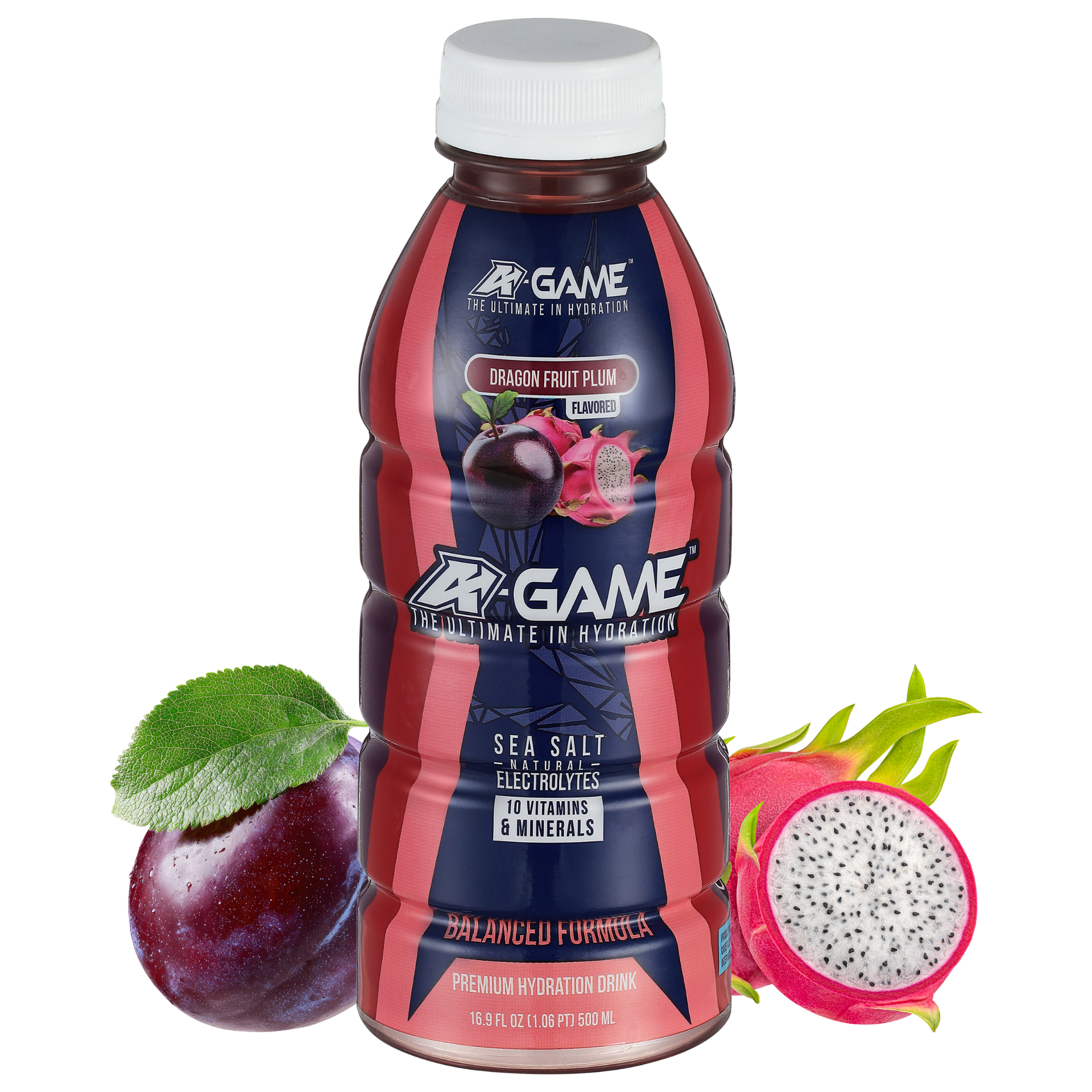


A Guide to Keto-Friendly Sports Drinks
Looking for keto-friendly sports drinks in 2026?
Compare A-GAME, LMNT, and Gatorade Zero, plus label tips to choose the best low-carb hydration option.
If you’re following a keto diet, finding a sports drink that keeps you hydrated without hidden sugars or chemicals can feel like a challenge.
In this guide, we’ll break down exactly what makes a drink keto-friendly, compare the top brands, and show you why A-GAME is changing the game for low-carb athletes in 2026.
Before we dive in, here’s the quick answer most people want:
Most keto-friendly sports drinks are those with very low sugar and very low net carbs (often 0 to 2 g net carbs per serving), plus meaningful electrolytes, especially sodium. If you sweat a lot, train in heat, or feel “keto slump,” you usually need more electrolytes than you think.
Let's define what makes a drink keto-friendly
A keto-friendly sports drink is simple in theory: it keeps carbs low enough that you stay in ketosis, while still helping you hydrate and replace electrolytes.
For most keto athletes, that means no added sugar, very low net carbs, and a label that is transparent about what’s inside.
A quick way to think about it is this: keto is a low-carb metabolic state.
When carbs drop, water and electrolytes often drop with them, especially in the early weeks of keto or when you’re sweating heavily.
That’s why a keto sports drink is not just about “zero sugar.” It’s also about whether it contains the electrolytes your body actually uses during training, especially sodium and potassium.
The other piece is ingredient quality. Many “zero sugar” sports drinks are keto-friendly on paper, but some people still avoid them because of certain additives or sweeteners.
That’s personal preference, but it matters for real-world consistency. Keto-friendly hydration should help you feel better during workouts, not trigger cravings or GI issues.
Common ingredients keto athletes often avoid (or double-check):
- Cane sugar, dextrose, glucose, fructose, corn syrup
- Maltodextrin (can spike glucose in some people, and it adds fast carbs)
- Juice concentrates (can quietly raise total carbs)
- “Natural flavors” without clarity on carb contribution (usually fine, but worth checking if strict)
What should you look for in a sports drink on keto?
When you’re standing in a store aisle (or scrolling online), don’t overthink it. Use a label-first checklist that maps to keto reality: carbs, sugars, sweeteners, and electrolytes.
The keto hydration checklist
- Net carbs: ideally 0 to 2 g net carbs per serving
- Added sugar: 0 g (and confirm via ingredients list)
- Total sugar: ideally 0 g (some “low sugar” drinks still have 2 g or more)
- Sweetener type: choose what you tolerate best
- Common keto-friendly options include stevia and monk fruit
- Sugar alcohols like erythritol can be keto-friendly for many people, but tolerance varies
- Some drinks use sucralose and acesulfame potassium (keto-friendly on carbs, but not everyone prefers them)
- Electrolytes that matter:
- Sodium: your most important training electrolyte on keto
- Potassium: supports fluid balance and muscle function
- Magnesium: often overlooked, can matter for cramps and recovery
- Red flags:
- Hidden sugars (dextrose, glucose, syrup)
- “Energy” blends with carbs
- High-carb “recovery” drinks are marketed as hydration
- Artificial dye load if you’re trying to keep ingredients clean
Quick label-reading tips that save time
- Check total carbs first. If it’s 6 g+ per bottle and not clearly sugar alcohol-based, it’s probably not strictly keto-friendly.
- Confirm “0 g added sugar,” then scan the ingredients for sugar forms anyway.
- Look at sodium. Keto athletes often feel better when sodium is not an afterthought.
- Set your sweetener standard once (e.g., stevia only, sugar alcohols OK, no artificial sweeteners), and shop faster every time.
Here's how top brands compare on carbs, electrolytes, and sweeteners
Below is a standardized, label-based comparison of popular keto sports drinks and electrolyte options in the U.S.
The goal is not to “crown” one brand for everyone, but to make it obvious which drinks fit keto, which are borderline, and which are best for performance hydration.
Note: Serving sizes vary by brand. The table uses the brand’s listed serving size for that product and includes notes when a bottle contains multiple servings.
Keto Sports Drinks Comparison Table
⭐ A-GAME Zero Sugar (highlighted)
- Serving size used: 1 bottle (16 oz)
- Net carbs: About 2 g net (7 g total carbs with 5 g sugar alcohol listed)
- Sodium: 240 mg
- Potassium: 150 mg
- Magnesium: Not listed on label image
- Sweetener type: Erythritol + stevia
- Vitamins: Includes multiple vitamins
- Additives and notes: Zero sugar, keto-friendly for many, sugar alcohol tolerance varies
LMNT
- Serving size used: 1 stick mixed in water
- Net carbs: 0 g
- Sodium: 1000 mg
- Potassium: 200 mg
- Magnesium: 60 mg
- Sweetener type: Stevia
- Vitamins: None emphasized
- Additives and notes: High sodium, very “salty,” great for heavy sweaters
Gatorade Zero
- Serving size used: 12 oz serving
- Net carbs: 1 g total carb
- Sodium: 160 mg
- Potassium: 45 mg
- Magnesium: 0 mg
- Sweetener type: Sucralose + acesulfame potassium
- Vitamins: Not a key focus
- Additives and notes: Convenient, very low carb, lighter electrolyte hit
Powerade Zero
- Serving size used: 12 oz serving
- Net carbs: 0 g
- Sodium: 240 mg
- Potassium: 80 mg
- Magnesium: Not significant
- Sweetener type: Sucralose + acesulfame potassium
- Vitamins: Vitamin C + B12 listed
- Additives and notes: Includes additives like EDTA and color additives, depending on flavor
BODYARMOR Lyte
- Serving size used: 16 oz bottle
- Net carbs: 5 g total carbs (includes allulose)
- Sodium: 30 mg
- Potassium: 680 mg
- Magnesium: 75 mg
- Sweetener type: Stevia (and allulose)
- Vitamins: Multiple vitamins
- Additives and notes: Higher total carbs than “zero” drinks, strong potassium, coconut-water positioning
Propel Fitness Water
- Serving size used: 1 bottle (500 mL)
- Net carbs: 0 g
- Sodium: 230 mg
- Potassium: 60 mg
- Magnesium: Not listed
- Sweetener type: Sucralose + acesulfame potassium (often also maltodextrin listed)
- Vitamins: Several vitamins
- Additives and notes: Easy grab-and-go, lighter electrolytes than high-sodium mixes
What the table tells you
- If your main goal is strict keto macros, the cleanest “carb math” typically comes from LMNT, Powerade Zero, Propel, and Gatorade Zero.
- If your main goal is keto performance hydration, the most important differentiator is usually electrolyte strength, especially sodium. LMNT is the high-sodium benchmark here.
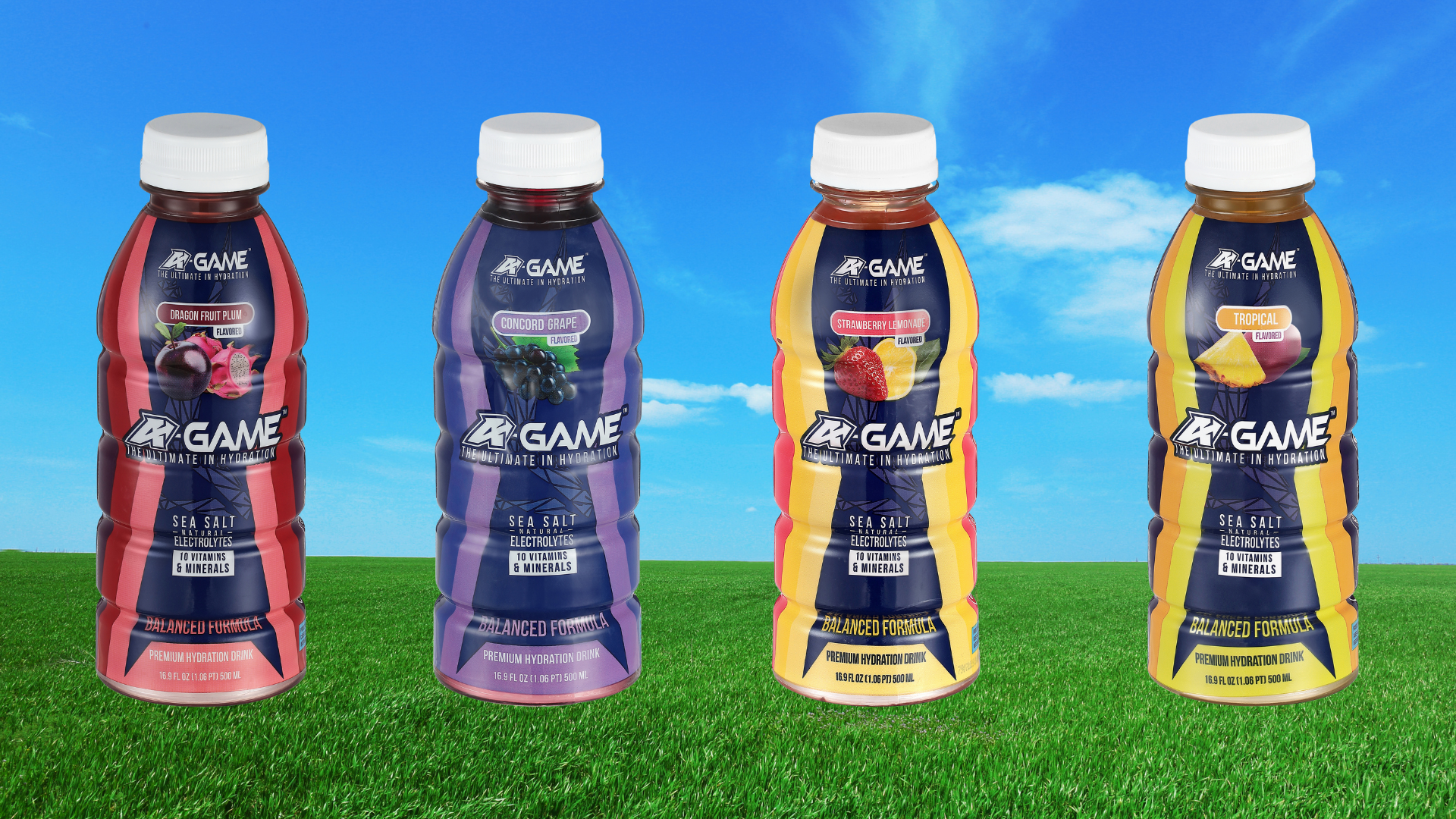
- A-GAME Zero Sugar sits in a practical sweet spot for many keto athletes: zero sugar, electrolyte support, and a more “real drink” experience with vitamins and a cleaner positioning than many neon-colored options.
- BODYARMOR Lyte is often “keto-possible,” but it’s not always “strict keto,” because total carbs can be higher and formulas vary by flavor.
Why A-GAME stands out for keto athletes
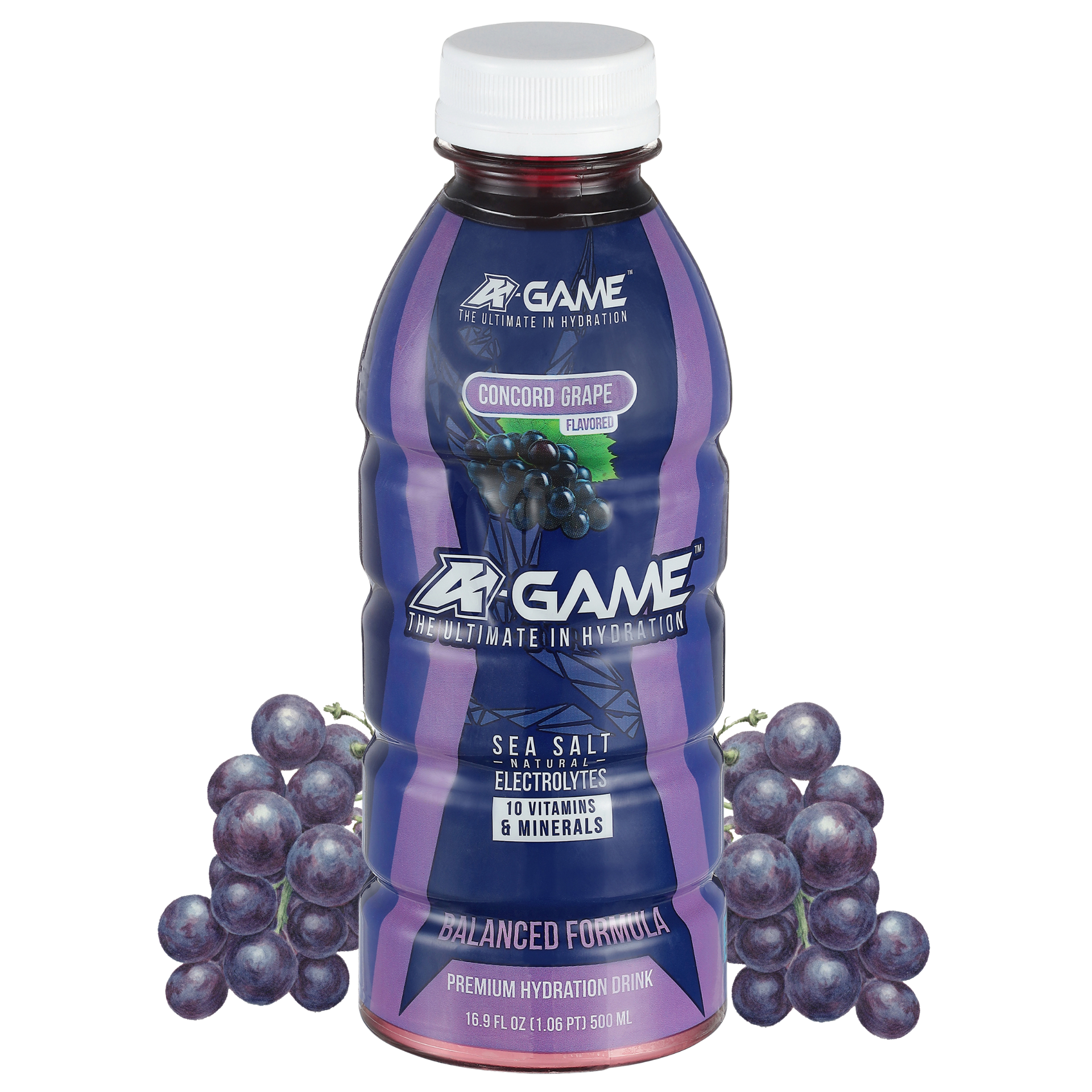
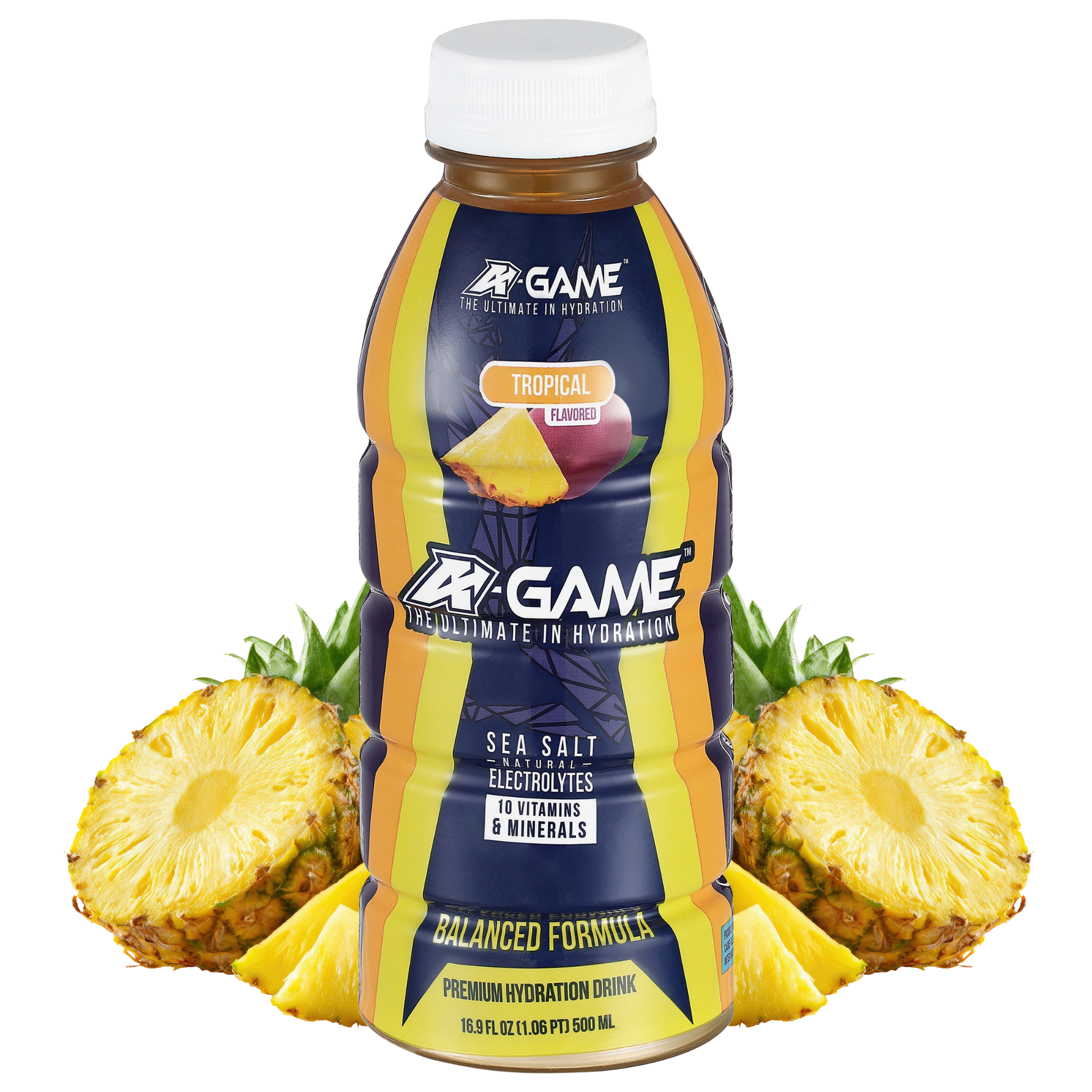
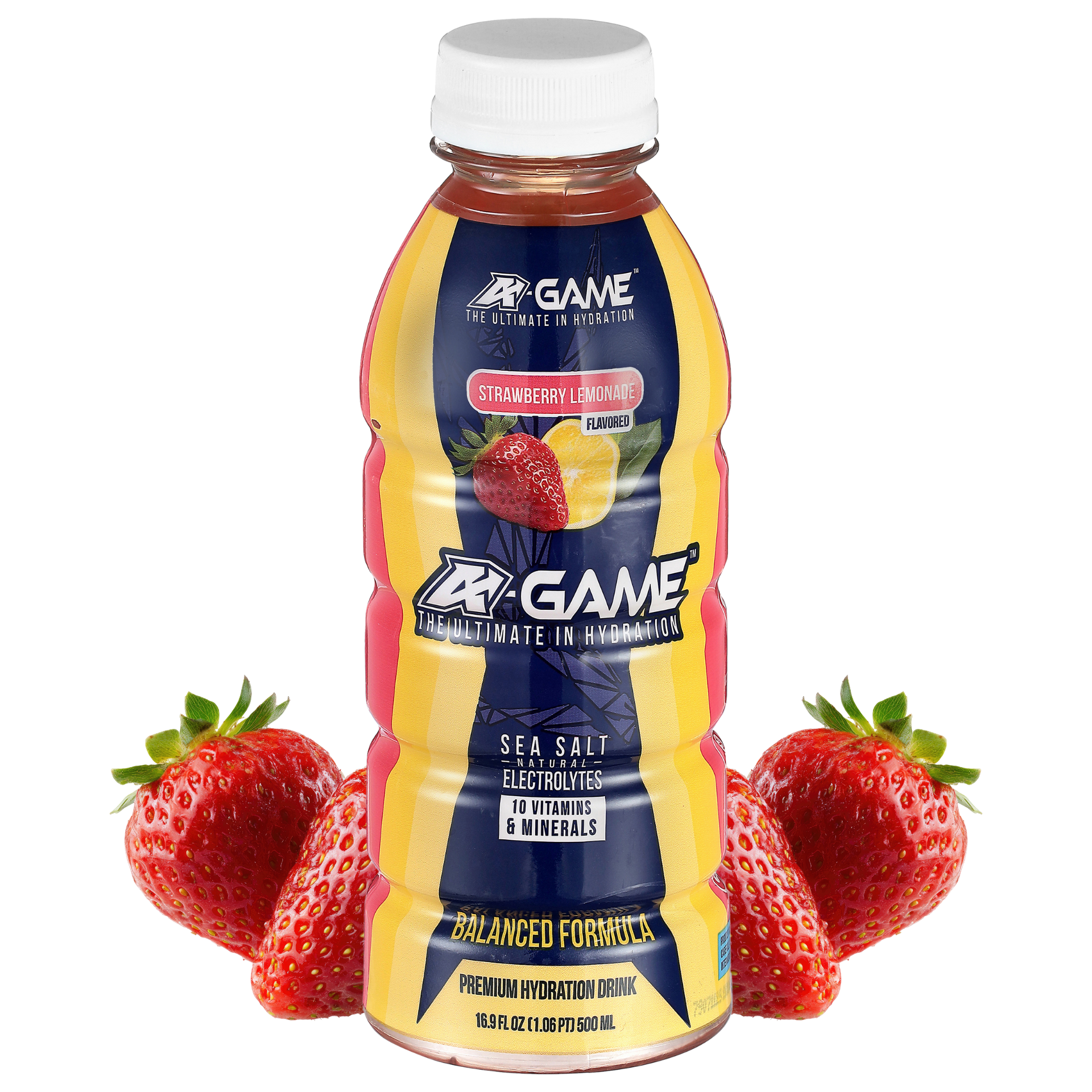
A-GAME’s brand promise is straightforward: premium hydration without fake stuff, built around electrolytes and vitamins for performance-minded people.
For keto athletes, the most important part is choosing the right hydration beverage.
1) A-GAME Zero Sugar is built for low-carb hydration
The A-GAME Zero Sugar label shows 0 g sugar, with sweetening coming from erythritol and stevia.
That combination is popular in keto circles because it keeps sugar at zero while still tasting like a sports drink, not salty water.
Carb note: the label shows total carbs and sugar alcohol. Many keto trackers treat erythritol as 0 net carbs, which is why A-GAME Zero Sugar can land around 2 g net carbs depending on how you calculate.
If you are extremely strict or sensitive to sugar alcohols, this is the one personal variable to consider.
2) Electrolytes that actually support training
A-GAME Zero Sugar’s label shows sodium and potassium per bottle.
That matters because keto athletes often need help with sodium and fluid balance, especially when workouts get longer, sweatier, or hotter.
Is it as high-sodium as LMNT?
No. LMNT is designed to be aggressively salty and high in sodium. But for many people, A-GAME is a more enjoyable, drinkable option for daily training hydration and “everyday keto” workouts.
3) Vitamins for people who train hard
A-GAME positions itself as a hydration beverage “packed with vitamins and electrolytes” to help you perform at your best.
This is a meaningful difference compared with many zero-sugar sports drinks that focus primarily on flavor, sweetness, and a minimal electrolyte profile.
In practice, keto athletes often care about two things:
- Does it keep me in ketosis?
- Do I feel better during training and recovery?
A-GAME’s formula is built to answer both.
4) Trust signal that resonates with keto and biohacking communities
A-GAME also has a strong credibility signal in the “performance lifestyle” world through Gary Brecka’s partnership and endorsement.
“A-GAME is the best hydration beverage… for optimizing performance and staying focused on health.”
Importantly, there is a clear path to purchase tied to that partnership: the A-GAME “Ultimate” page includes a discount code for online orders.
5) “Clean hydration” positioning without the typical sports drink baggage
Many keto shoppers want to avoid the feeling of “diet soda in a sports bottle.”
Some brands lean heavily on artificial colors and additives (even if they’re keto-friendly on paper). Powerade Zero, for example, lists ingredients that may include sucralose, acesulfame potassium, EDTA, and color additives, depending on the flavor.
What sports drinks should you avoid on a keto diet?
This is where keto athletes get tripped up: the words “sports drink” and “hydration” do not automatically mean “keto-friendly.”
Here’s the short list of what usually breaks ketosis or pushes carbs higher than you intended.
Sports drinks to avoid
- Regular Gatorade and regular Powerade
These are designed around sugar as fast fuel and taste, not low-carb hydration. - “Recovery” drinks and carb-forward endurance mixes
Great for high-carb training blocks, usually not keto-compatible. - Coconut water as a primary hydration drink
It’s natural, but it’s also higher in carbs than most keto athletes want for routine hydration. - Fruit juice blends and “natural” drinks sweetened with concentrates
They can look clean, but still carry meaningful sugar. - Anything with hidden carb boosters
Maltodextrin, dextrose, or “energy” blends that quietly add carbs
How to spot misleading marketing claims
- “No added sugar” does not always mean low carb. Total carbs can still be high.
- “Low calorie” does not mean keto. A drink can be low calorie and still be sugary.
- “Natural” does not mean low carb. Honey, juice, and concentrates are natural and still not keto-friendly.
If you want the simplest rule: If total carbs per serving are over 5 g and there’s no clear sugar alcohol or fiber offset, it’s probably not a keto sports drink.
Here's how to make the best choice for your hydration
Keto-friendly hydration comes down to consistency. You want something you will actually drink, that keeps carbs low, and that gives you enough electrolytes to feel strong in training.
Use this decision flow:
- Strict keto and very low carb? Choose carb options between 0 g and 1 g first (LMNT, Powerade Zero, Gatorade Zero, Propel).
- Want a cleaner, premium “real sports drink” feel with zero sugar? Choose A-GAME Zero Sugar as your go-to for workouts and daily hydration.
- Heavy sweater, sauna, extreme heat, long sessions? Add a high-sodium option, such as LMNT, to your toolkit.
- Sensitive to sugar alcohols or sweeteners? Pick the sweetener profile you tolerate best and stick to it.
Try A-GAME for your next keto workout
- Find A-GAME near you with the official Store Locator.