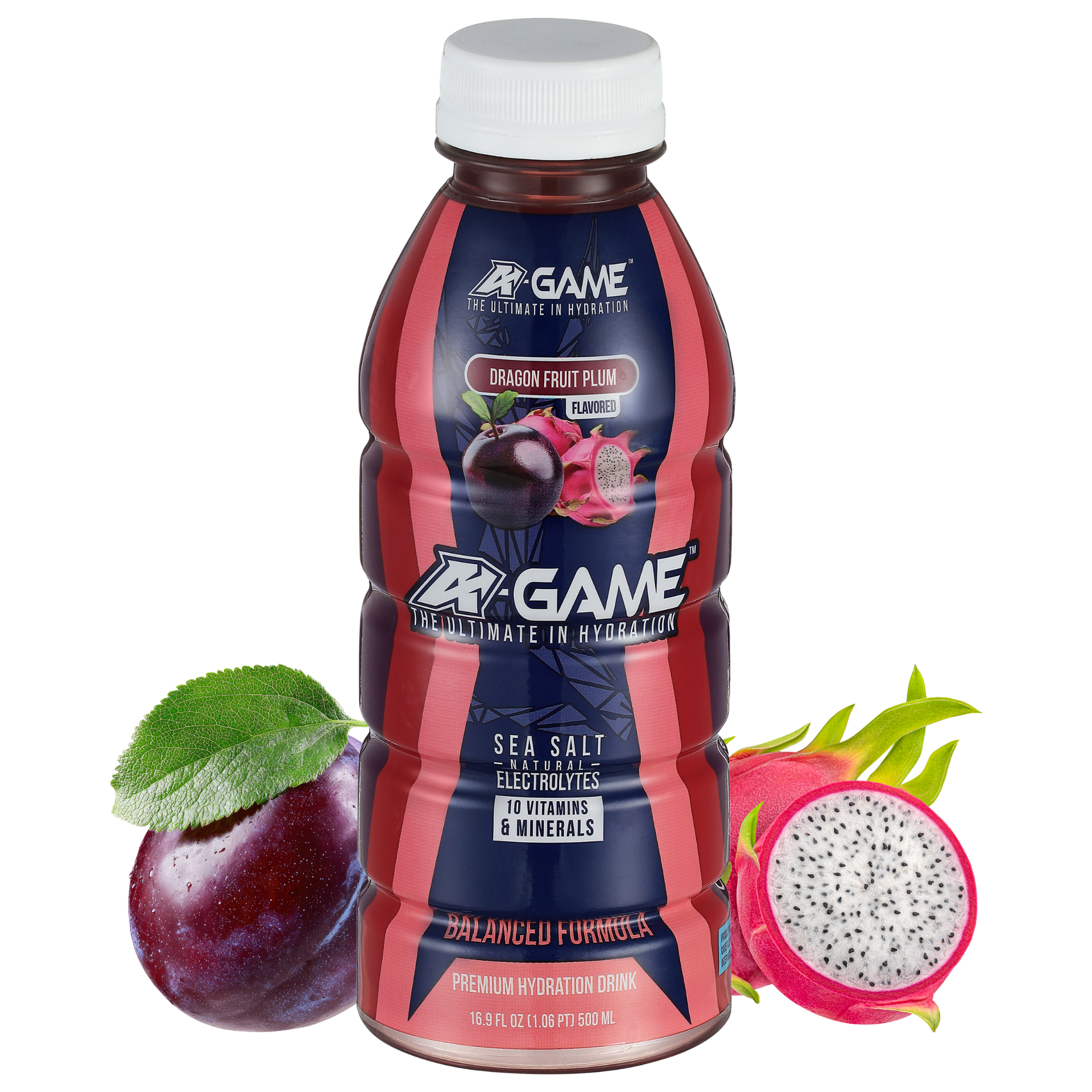


Clean Hydration: A Deep Dive into A-GAME’s Gluten-Free Ingredients
At A-GAME, we know that what you put in your body matters, especially if you are an athlete with dietary restrictions.

We built our sports drink line with a gluten-free commitment and a clean ingredient mindset so that athletes can hydrate with confidence.
In this post, we will define what “gluten-free” really means, explain what to look for on labels, and share a transparent sports drink comparison so you can choose a gluten-free sports drink that fits your training and your stomach.
If you are searching for “comparison of sports drinks for gluten-free diet,” this guide is designed to be the clear answer you can trust.
Why Does Gluten-Free Matter for Athletes?
For some athletes, gluten-free is not a preference. It is a safety issue. Celiac disease affects about 1 percent of people worldwide, and experts estimate that about 2 million people in the United States have celiac disease. For some athletes, gluten can trigger an immune response that damages the small intestine, affecting nutrient absorption and day-to-day energy.
Even outside of celiac disease, many people report symptoms from gluten or wheat. Estimates for non-celiac gluten sensitivity vary widely, with research reviews reporting rates ranging from about 0.6 percent to 6 percent.
The key point for athletes is simple: if gluten makes you feel bloated, foggy, or “off,” training gets harder, and recovery can feel slower.
The tricky part is that hidden gluten is not always obvious. Drinks and powders may include flavor systems, stabilizers, or processed ingredients whose gluten risk is not immediately clear. That is why gluten-free sports drink choices are not only about performance.
They are also about ingredient transparency and risk control.
What Makes a Sports Drink Truly Gluten-Free?
In the U.S., “gluten-free” is a defined labeling claim. The FDA rule sets a threshold of less than 20 parts per million (ppm) gluten for foods that carry a gluten-free claim, along with other requirements. This matters because 20 ppm is not the same as “zero,” and it is not the same as “no gluten ingredients.”
Here is the simple label translation:
- Gluten-free claim on the label: The product is represented as meeting the FDA gluten-free standard (including the <20 ppm threshold).
- No gluten ingredients: The ingredient list does not include wheat, barley, rye, or obvious gluten sources. That can be a good sign, but it is not the same as a gluten-free claim.
One more important detail: the FDA does not require manufacturers to test foods labeled gluten-free. Companies are responsible for compliance, but “gluten-free” on-pack does not automatically mean routine batch testing.
If you are a highly sensitive athlete, this is why brand transparency, manufacturing controls, and clear labeling matter.
How Does A-GAME Compare to Other Gluten-Free Sports Drinks?
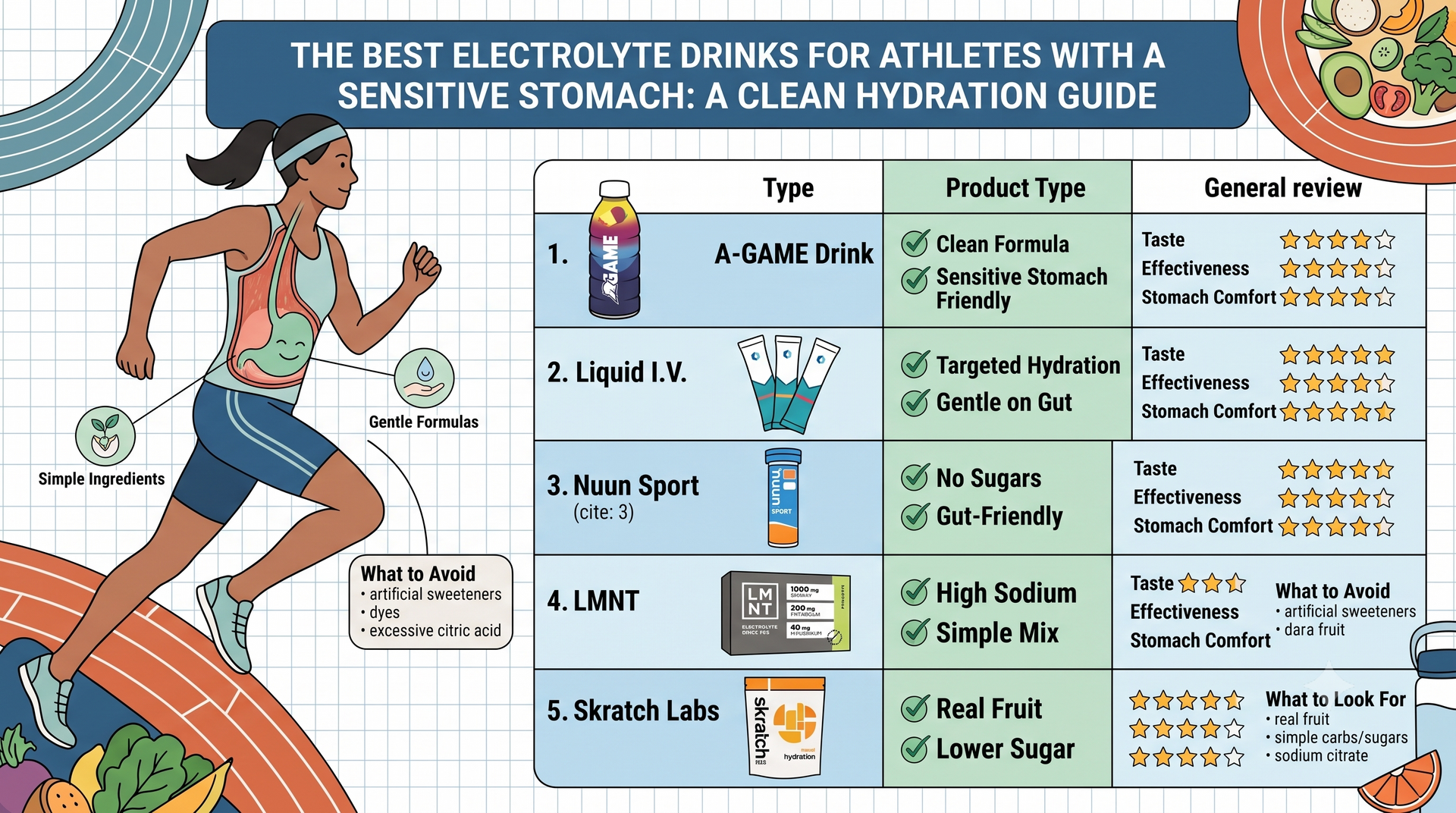
Most people asking for a sports drink comparison for a gluten-free diet want two things: a quick answer and a safer choice. The reality is that “gluten-free” can appear in different ways across brands: some products are labeled gluten-free, some are not formulated with gluten-containing ingredients but are not tested, and some are certified by third parties.
Below is a practical comparison of standard options. It is not a “best brand” verdict. It is a clarity tool, so you can match your needs to the right label signal.
Gluten-free sports drink comparison
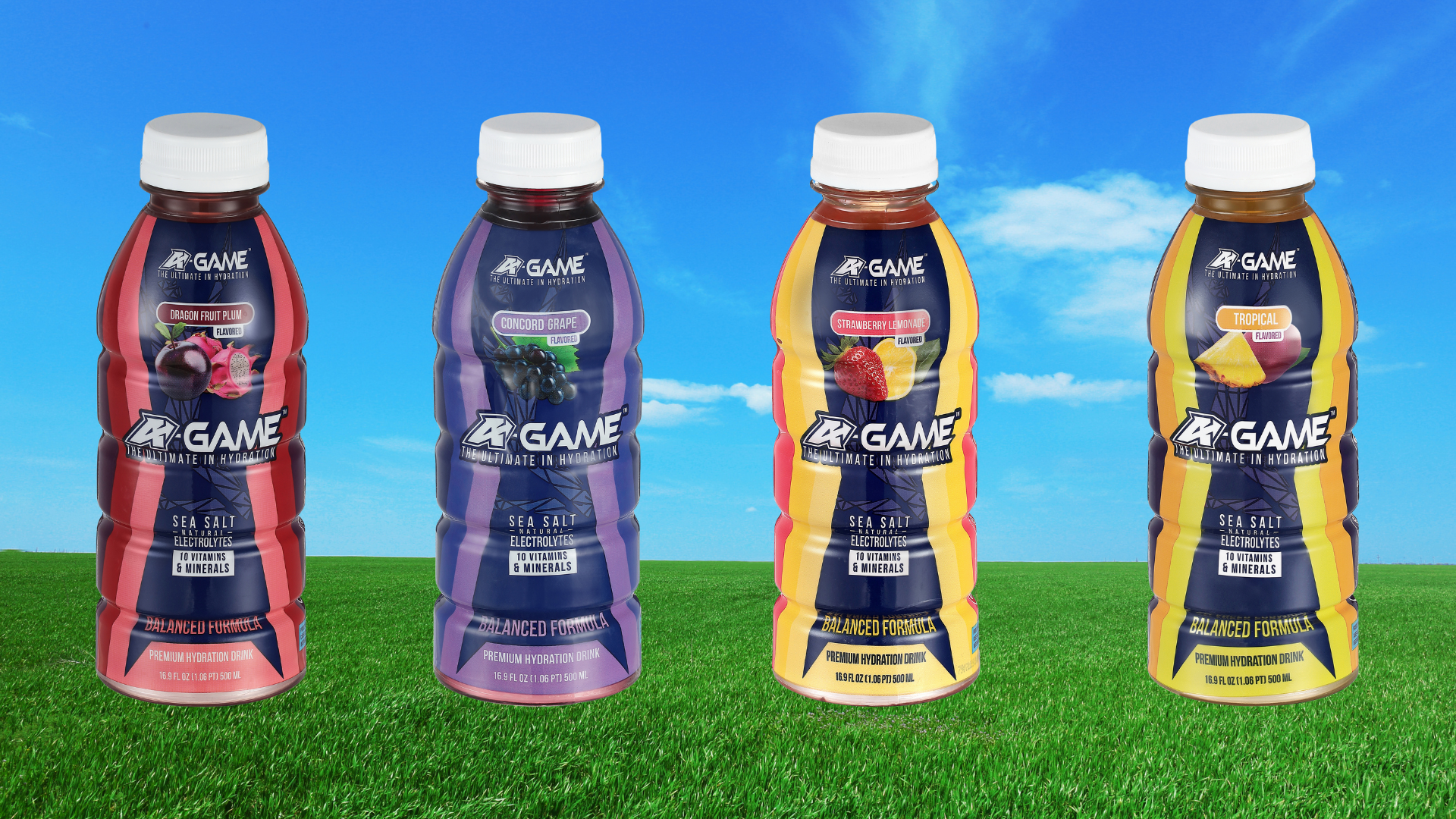
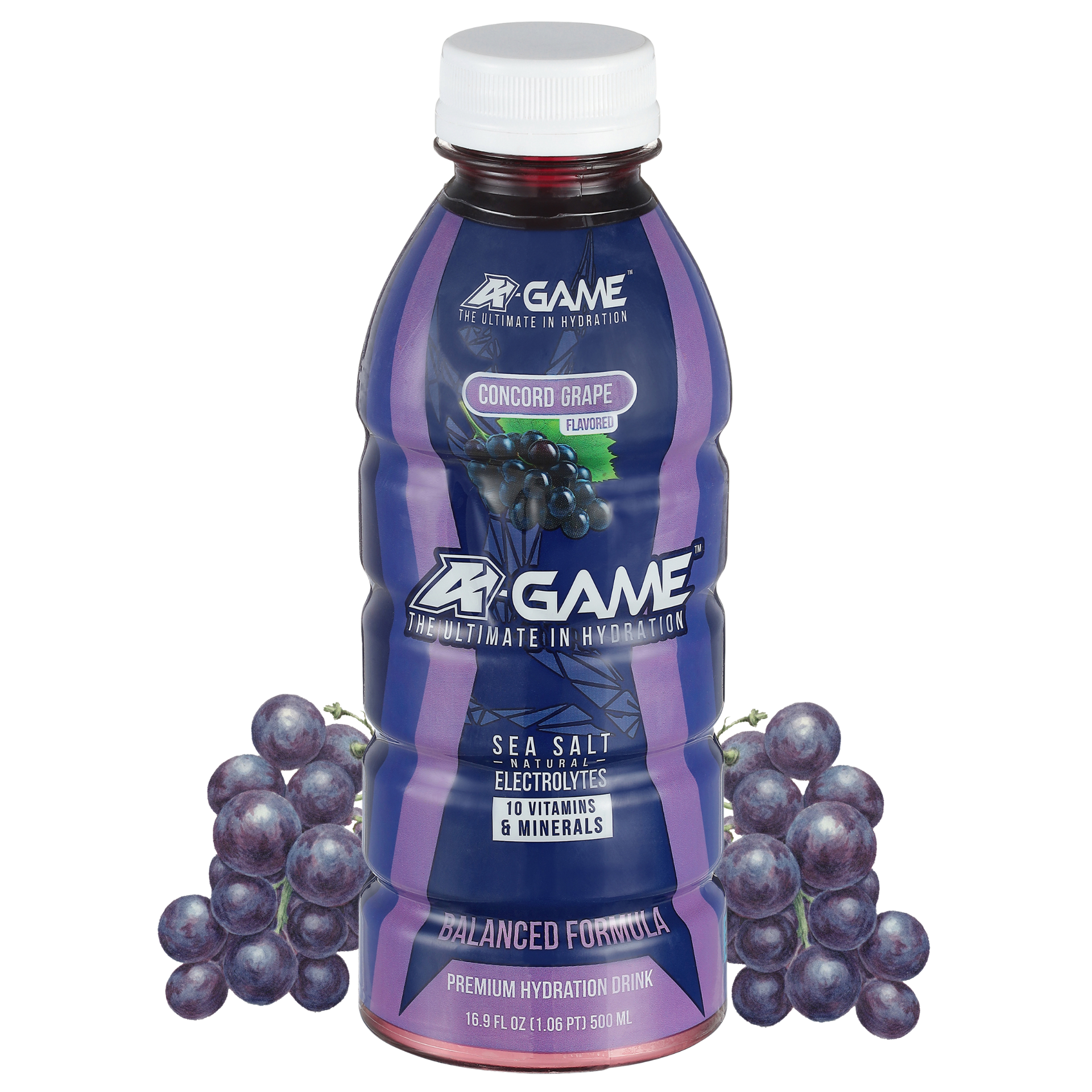
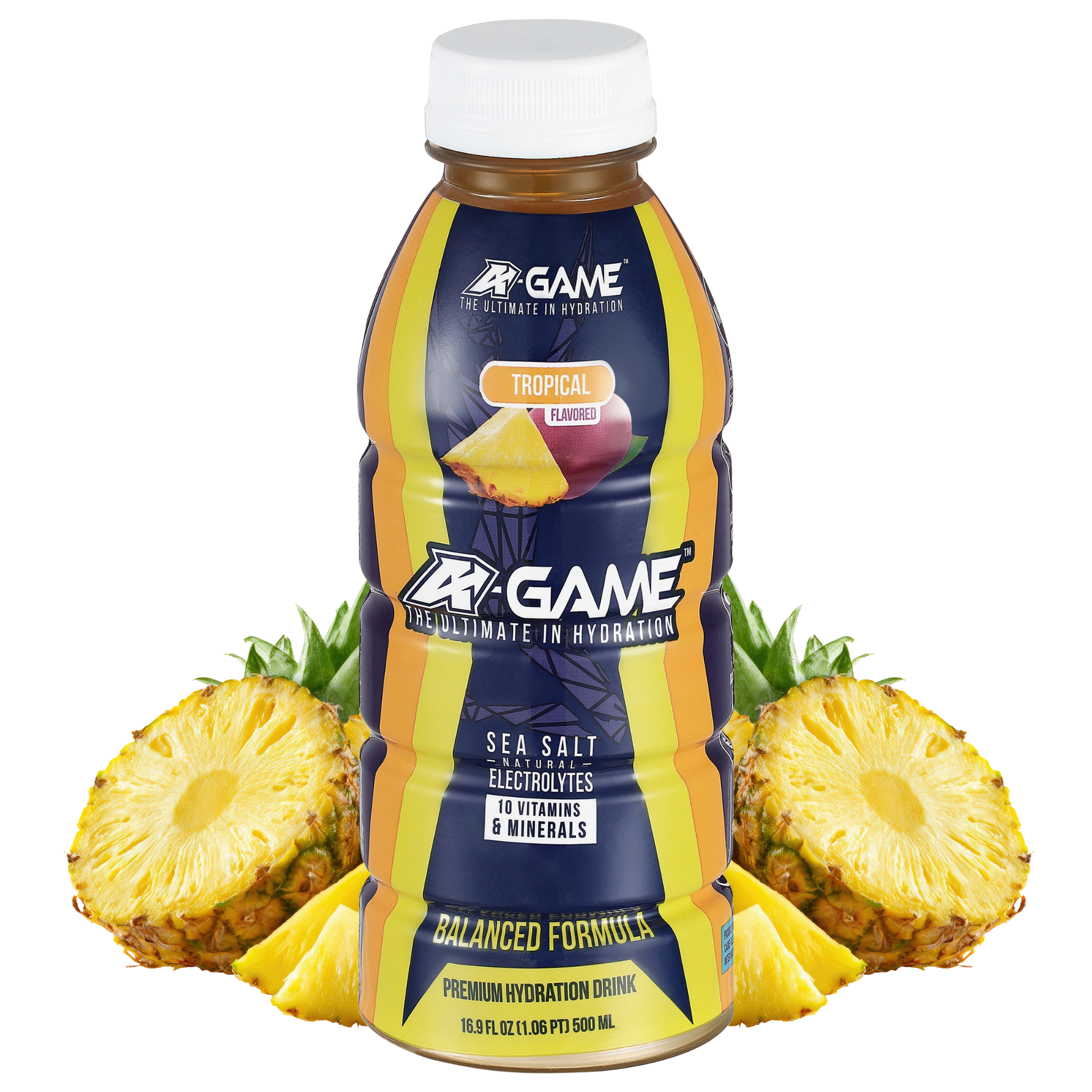
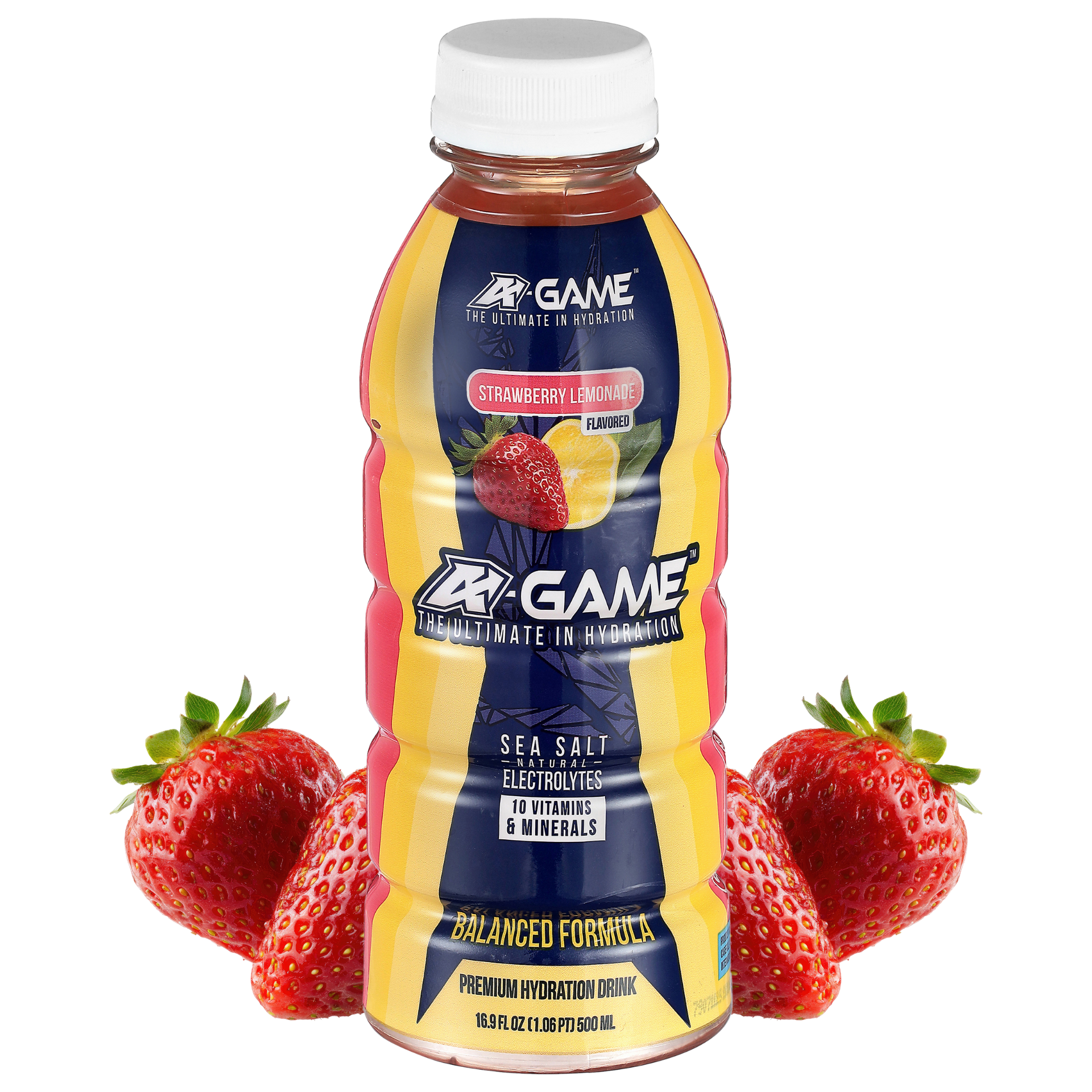
A-GAME
- Gluten-free positioning (what they say): Built with a gluten-free commitment and clean-label ingredient focus as part of the brand promise.
- Best fit for gluten-free athletes: Athletes who want clean hydration and ingredient transparency, and who prioritize a gluten-free sports drink built with dietary needs in mind.
Gatorade
- Gluten-free positioning (what they say): PepsiCo states Gatorade products are not formulated using gluten-containing ingredients, but they have not been tested to be gluten-free.
- Best fit for gluten-free athletes: Athletes avoiding gluten who are comfortable with “no gluten ingredients” and who still check labels and updates.
POWERADE
- Gluten-free positioning (what they say): POWERADE’s FAQ states yes, it is gluten-free.
- Best fit for gluten-free athletes: Athletes wanting a mainstream, easy-to-find option with an explicit gluten-free statement from the brand.
Nuun
- Gluten-free positioning (what they say): Nuun states all products are gluten-free and certified gluten-free by the Gluten Intolerant Group (GIG).
- Best fit for gluten-free athletes: Highly sensitive athletes who prefer certification and a portable format (tablets).
Liquid I.V.
- Gluten-free positioning (what they say): Liquid I.V. markets products as gluten-free on product pages.
- Best fit for gluten-free athletes: Athletes who want a potent electrolyte mix and look for gluten-free labeling on the specific product they buy.
If you are trying to answer “which sports drink is gluten-free,” the safest default is to choose products that clearly state gluten-free on-pack, and to use brands that provide clear public guidance.
Here’s What Sets Our Ingredients Apart
A-GAME’s clean hydration approach is not about throwing in a long list of extras. It is about choosing ingredients that athletes recognize, tolerate, and trust. The three building blocks we highlight most are sea salt, honey, and vitamins.
Sea Salt (electrolytes you actually need)
Electrolytes are minerals that help your body hold onto fluid and support normal muscle function during training. Sodium is a key one. Many athletes lose a significant amount of sodium through sweat, especially in heat or during long sessions.
We use sea salt as a straightforward electrolyte source because it aligns with our clean-label goal. You are not hunting for a chemical-sounding ingredient to understand what it does. You see salt and know why it is there: to support hydration.
Honey (simple carbs that are easier to train with)
When workouts go long or intense, carbs can help. However, some athletes do not tolerate high-sugar drinks, and others prefer a more natural carbohydrate source.
Honey is a familiar ingredient and a practical option for training fuel. It is a carbohydrate source that many athletes find easier to digest than thick syrups or very sweet blends, and it supports the idea of clean hydration with recognizable ingredients.
Vitamins (support without the mystery)
Vitamins are not magic. They will not replace sleep, protein, or smart training. But athletes do care about micronutrients, especially when training volume is high and recovery demands are real.
A-GAME includes vitamins as part of a balanced, athlete-first formula approach, while still keeping the ingredient story simple and aligned with gluten-free expectations.
Which Gluten-Free Sports Drink Is Right for You?
Not every athlete needs the same gluten-free solution. The best gluten-free sports drink is the one that matches your sensitivity level, your training load, and your comfort with labeling.
If you want a fast decision guide, use this:
- If you have celiac disease or you react to very small exposures: prioritize products that clearly state gluten-free, and consider certified gluten-free options when that extra step helps you feel safer. The FDA gluten-free standard is based on a <20 ppm threshold, and cross-contact is a concern.
- If you are gluten-sensitive but not celiac, you may do well with a clearly gluten-free labeled drink, or with a product that is not formulated with gluten ingredients, as long as you read labels and stick with what your body tolerates.
- If your main goal is clean hydration with ingredient transparency, look for a short ingredient list, recognizable components, and a brand that builds for dietary needs from the start. That is the lane A-GAME is in.
Quick real-world scenarios:
- Short workout (lifting, practice, gym class): you may only need light electrolytes and water. Choose a gluten-free sports drink if you like the taste, sweat a lot, or need a reminder to drink.
- Long workout (games, tournaments, long runs, hot days): you may want electrolytes plus carbs. This is where honey-based carbs can feel more athlete-friendly for many people.
- Sensitive stomach days: choose simpler formulas. Avoid surprise ingredients and go with what you have tested in training, not on race day.
What Else Should You Look for in a Clean Sports Drink?
Gluten-free is a big filter, but it is not the only one. If you want clean hydration that supports performance, two additional checks are required.
First, sugar and sweeteners. Some athletes want carbs during long sessions. Others prefer low-sugar options for daily hydration. Neither is “right” for everyone.
The key is to choose intentionally. If you do not need carbs, a very sweet drink can feel heavy. If you need carbs, zero sugar may not be appropriate in the moment.
Second, additives and transparency. Many mainstream drinks work fine for many people. But if you are shopping for “safe for celiac athletes,” you usually want fewer unknowns.
A shorter ingredient list is easier to evaluate, easier to repeat-buy, and easier to trust. The FDA also notes that manufacturers are responsible for gluten-free compliance, and testing is not required, which makes transparency even more valuable.
If you ever feel unsure, ask yourself one question: Can I explain every ingredient in this drink to a parent buying for a teen athlete? If the answer is no, keep looking.
Ready to Try a Cleaner, Safer Hydration Option?
If you want clean hydration designed for gluten-free athletes, A-GAME is for you. Our promise is simple: ingredient transparency, athlete-focused function, and a gluten-free sports drink approach you can feel good about. Ready to fuel your next workout with clean, gluten-free hydration?
Explore A-GAME’slineup today and find the option that fits your training, your stomach, and your standards.