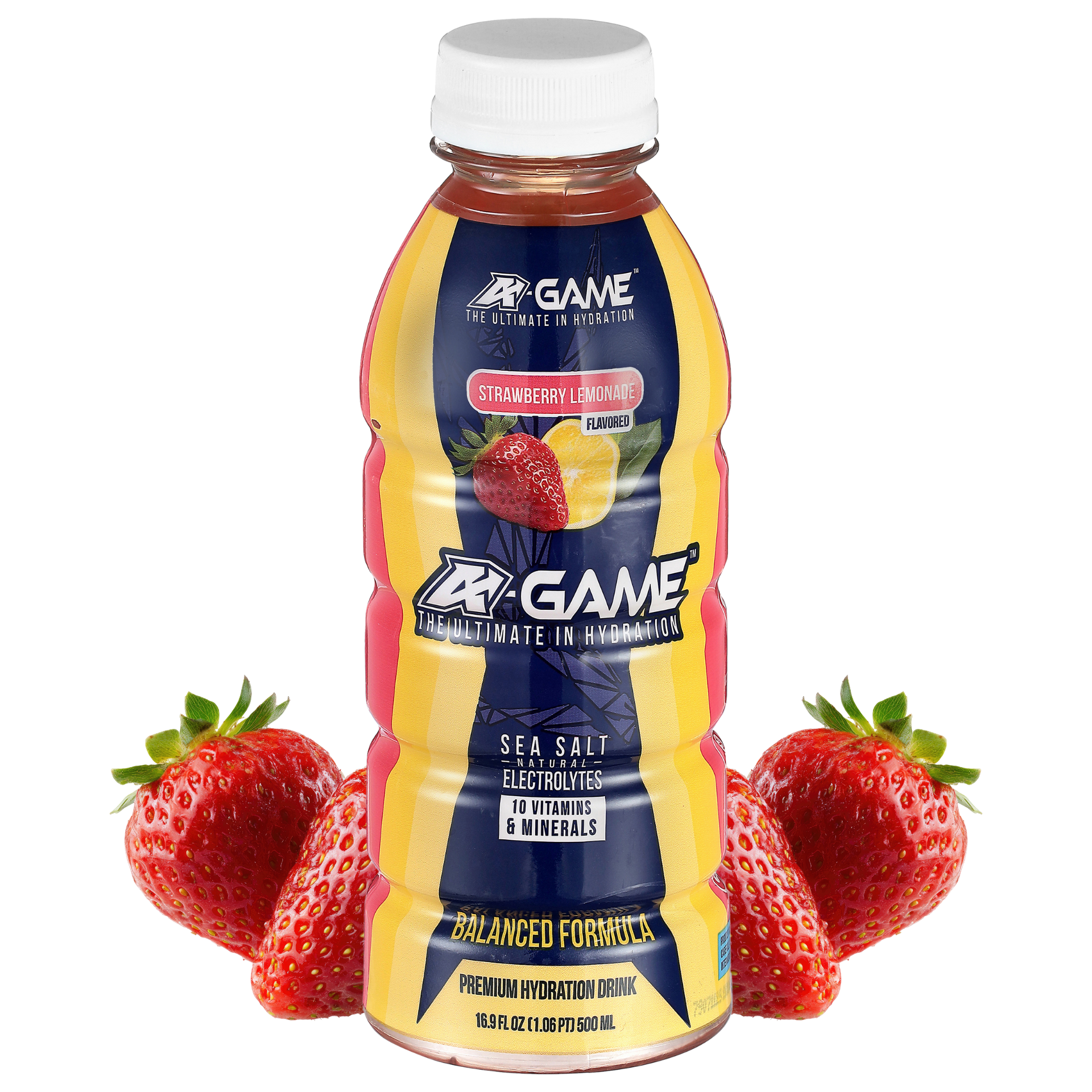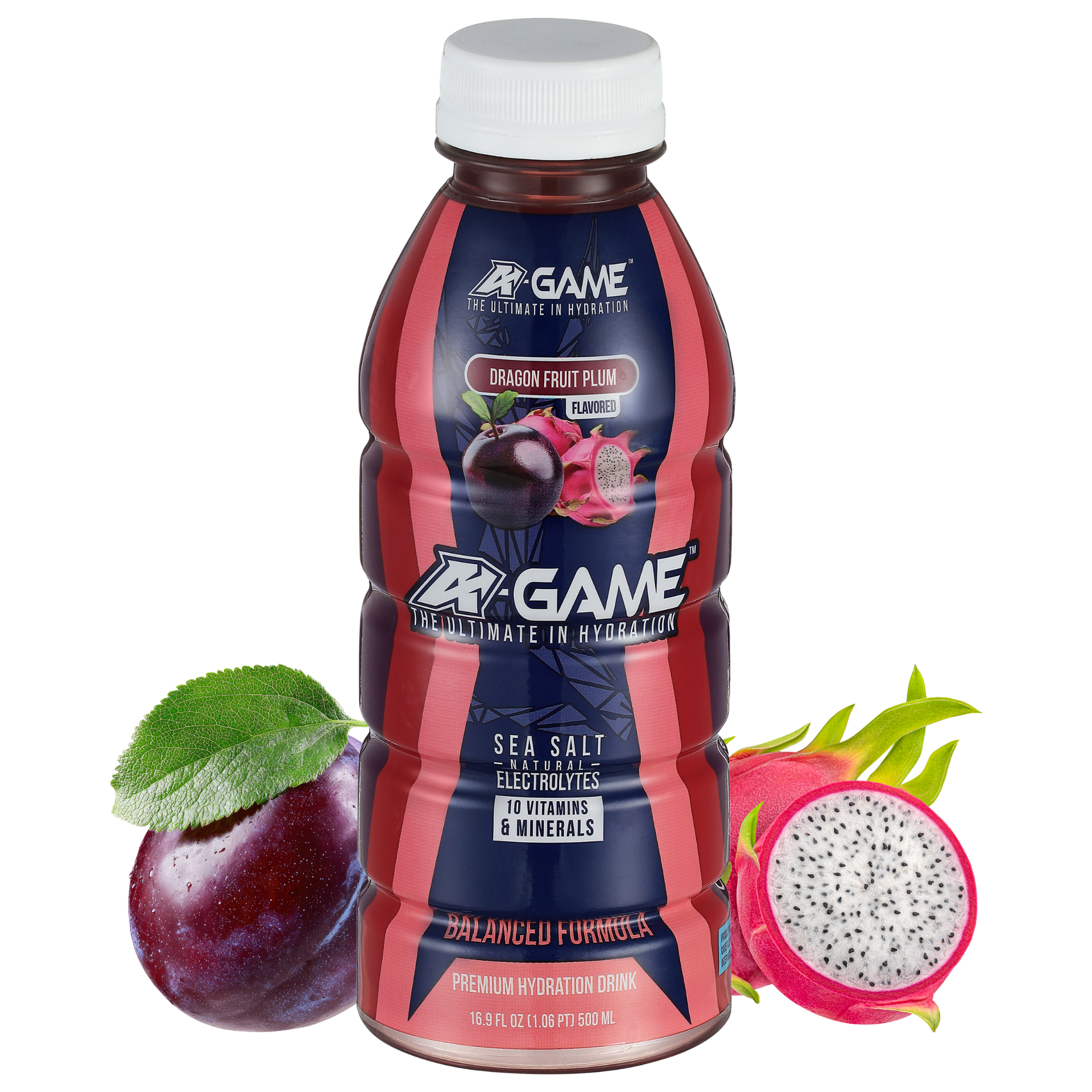


The Best Low-Calorie Sports Drink of 2026: A-GAME vs. Gatorade Zero vs. BODYARMOR Lyte
When you’re trying to cut sugar but still want real performance hydration, the sports drink aisle can get confusing fast.
In this 2026 low-calorie showdown, we put A-GAME, Gatorade Zero, and BODYARMOR Lyte head-to-head on calories, ingredients, taste, and how they actually feel in a workout.
By the end, you’ll know exactly which bottle belongs in your gym bag, and why A-GAME stands out for clean, powerful hydration.
Let’s define what “low-calorie” really means for sports drinks
“Low-calorie” sounds simple. In practice, it gets messy because sports drinks are trying to do two jobs at once:
- Hydrate you (replace fluid plus electrolytes you lose in sweat).
- Fuel you (replace some energy, typically from carbs).
A classic full-sugar sports drink often lands in the ballpark of 80 to 140 calories per bottle, largely because it contains 20 to 35 grams of sugar.
That sugar can be useful when you’re doing long, intense training where your body actually needs fast carbs.
But most people searching for the best low-calorie sports drinks are not asking for race-day fuel. They’re asking for hydration that supports performance without adding a daily sugar habit. That’s where “low-calorie” and “zero-sugar” come in:
- Zero-sugar / zero-calorie: Usually 0 calories (or close), with sweeteners providing taste without sugar.
- Low-calorie: Typically 10 to 30 calories per bottle, often with a small amount of carbs or sweeteners that still keep calories low.
Here’s the simple coach-level rule that actually works: Match the drink to your workout length, sweat rate, and goal.
- If you’re training for under an hour, lifting, doing team practice, or just trying to stay hydrated day-to-day, a low-calorie electrolyte drink often makes more sense than a sugary bottle.
- If you’re going long, racing, or training hard in heat, you may want some carbs, but you can still keep the ingredient list clean and intentional.
Here’s why ingredients matter more than the calorie number
Calories are easy to compare. Ingredients determine whether a sports drink fits your body and your values.
Many “no sugar” bottles follow a pattern: remove sugar, then add artificial sweeteners and bright dyes to maintain the classic sports drink vibe. Some athletes do fine with that. Others notice the aftertaste or stomach feel, or simply want a cleaner label for everyday use.
This is where the conversation shifts from “How many calories?” to “What’s actually doing the hydrating?”
Electrolytes are the point. Sodium and potassium help your body hold onto water and keep nerves and muscles firing smoothly, especially during sweatier sessions.
Gatorade Zero is known for keeping a practical sodium level for a zero-cal option (160 mg sodium per 12 oz bottle, plus potassium).
BODYARMOR Lyte leans more heavily on potassium, which may appeal to consumers seeking a more juice-like hydration profile.
Then there’s the “clean label” layer: sweeteners, colors, and the general vibe of the ingredient list.
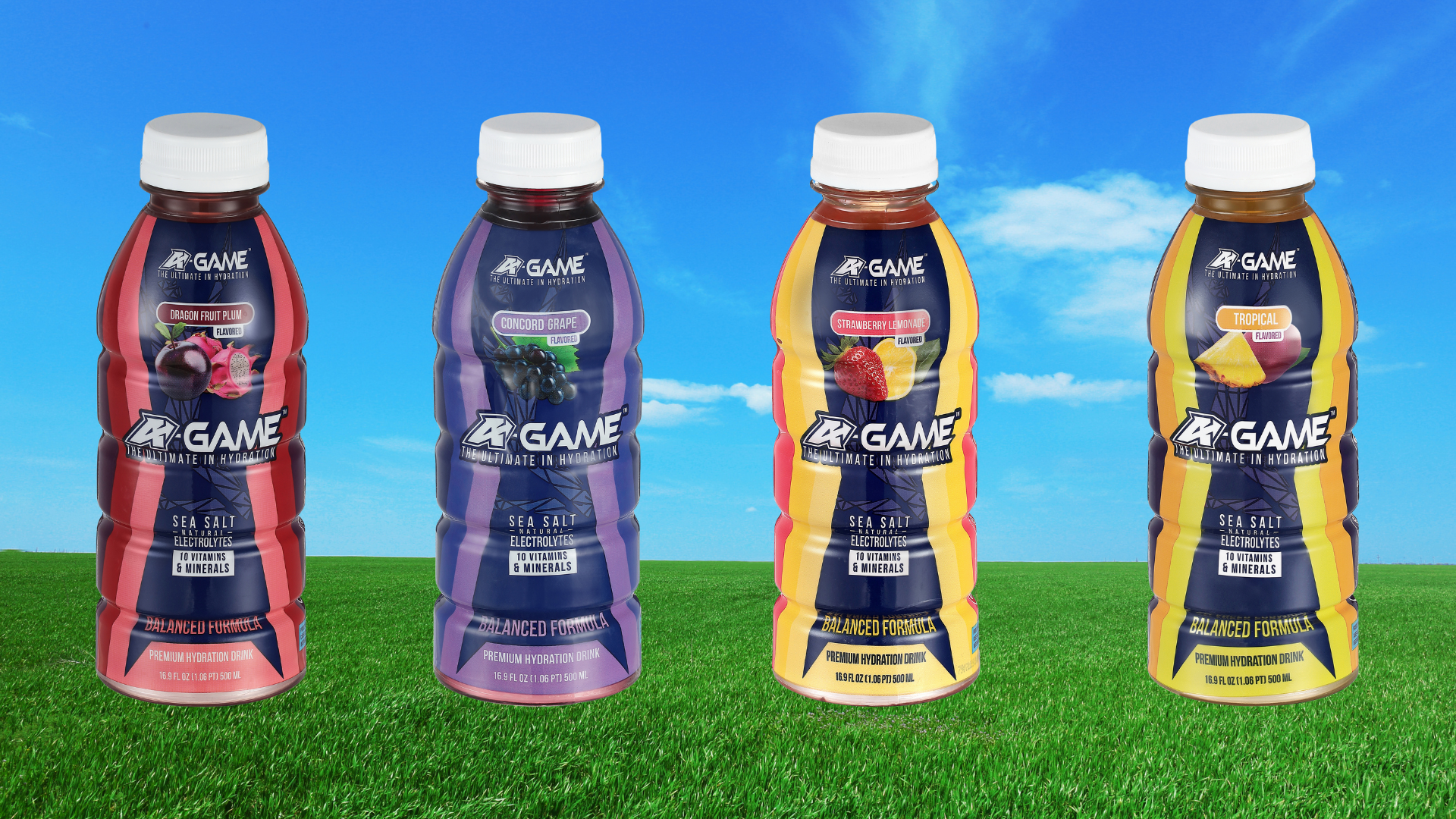
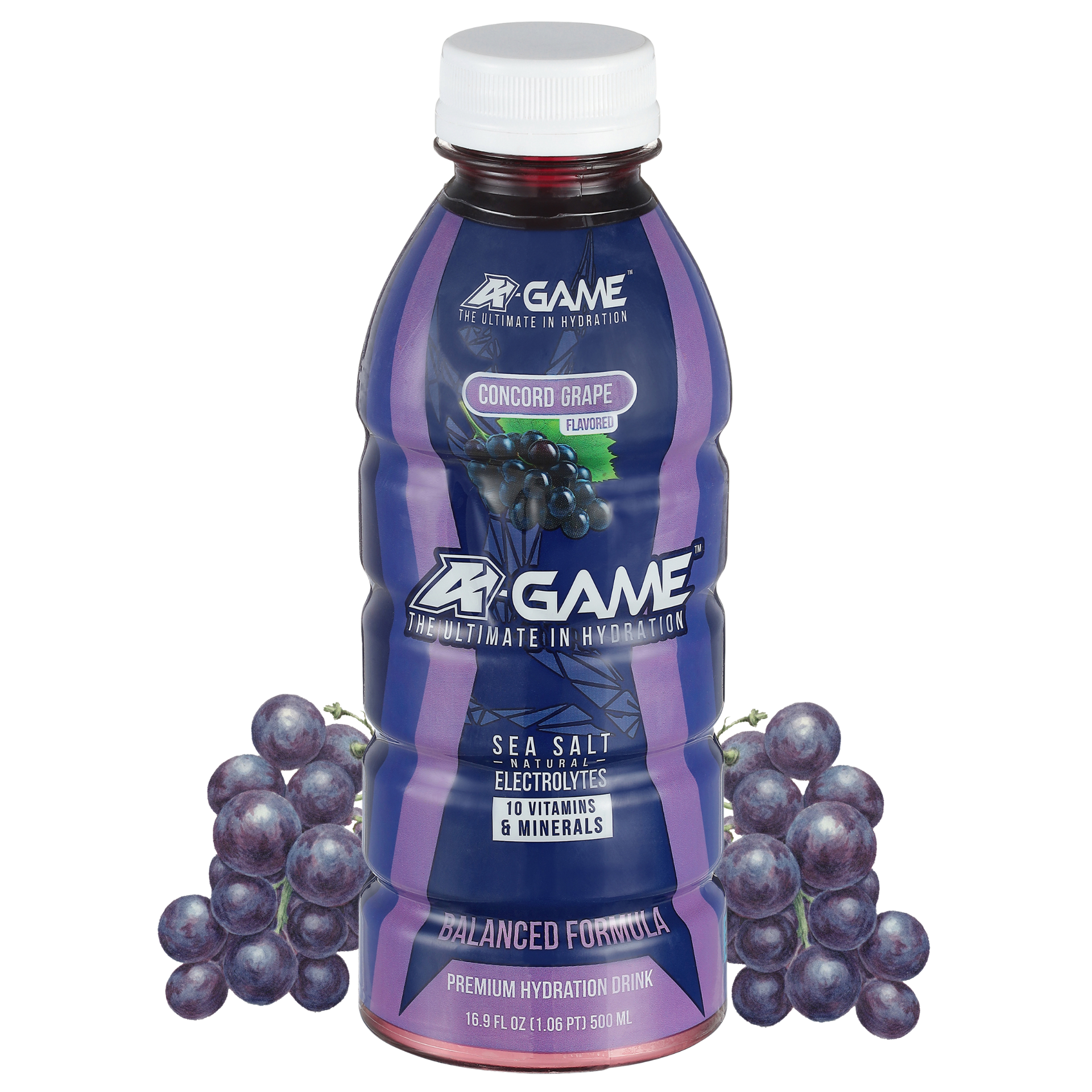
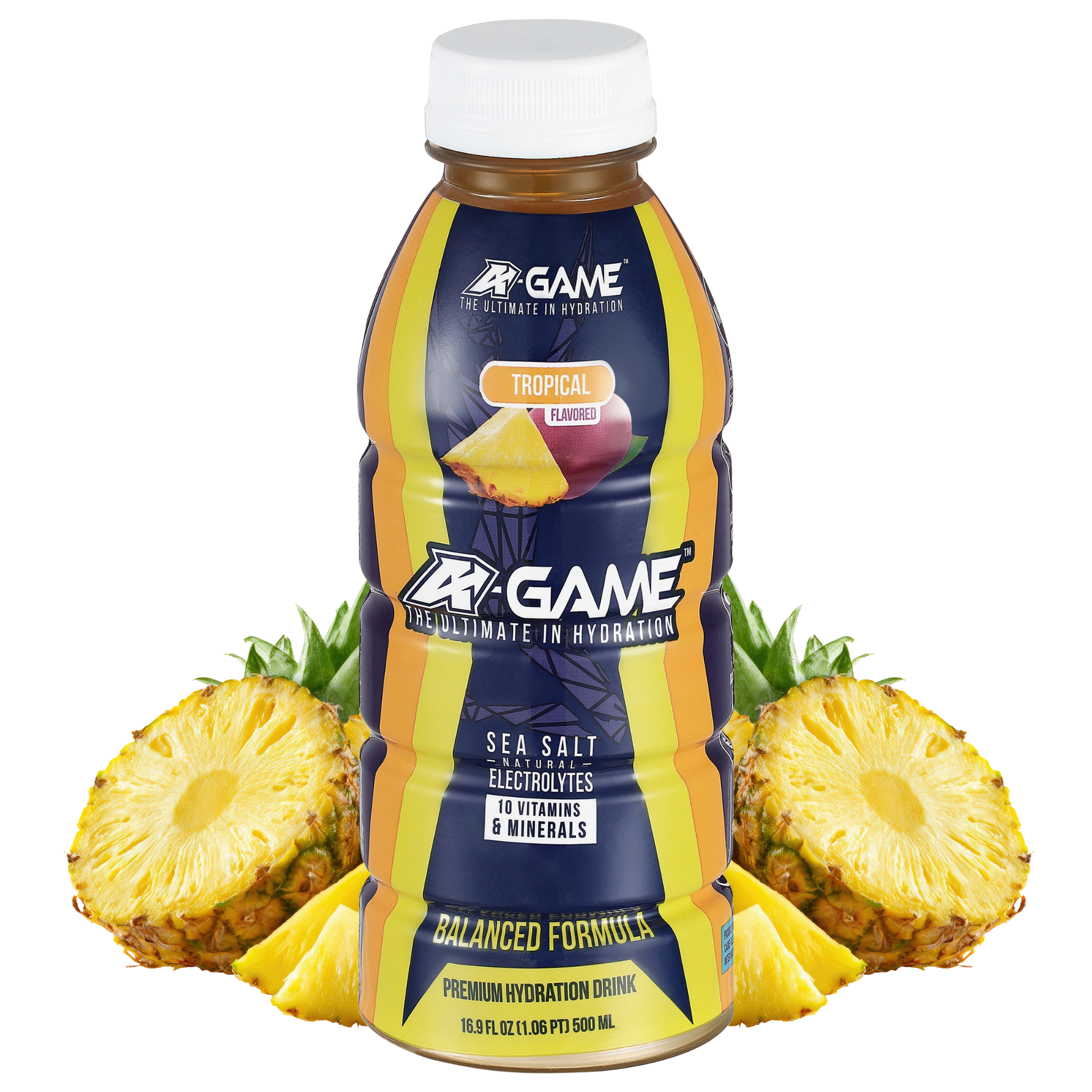
A-GAME is built around recognizable hydration fundamentals: sea salt electrolytes, real fruit flavor cues, and a strong “no chemicals or additives.”
In the Zero Sugar line specifically, A-GAME uses a sweetener approach built around erythritol and stevia, plus sea salt and potassium citrate, and avoids synthetic dyes by using color sources like fruit juice or similar label-friendly color components, depending on flavor.
So yes, calories matter. But if you’re drinking this multiple days per week, ingredient quality often matters more.
How do A-GAME, Gatorade Zero, and BODYARMOR Lyte stack up on paper?
Below is a clean, side-by-side low-calorie sports drink comparison using widely listed label facts. Exact numbers can vary by flavor and bottle size, so always verify the label on the specific SKU you’re buying.
Calorie Comparison at a Glance
- A-GAME Zero Sugar (16.9 oz bottle): 10-15 cal (flavor/retailer listings vary)
- Gatorade Zero (12 oz bottle): 0 cal
- BODYARMOR Lyte (16 oz bottle): 20 cal
Total sugar
- A-GAME Zero Sugar (16.9 oz bottle): 0 g
- Gatorade Zero (12 oz bottle): 0 g
- BODYARMOR Lyte (16 oz bottle): ~2 g (0 g added sugar listed on many labels)
Total carbs
- A-GAME Zero Sugar (16.9 oz bottle): ~7 g (label listings vary)
- Gatorade Zero (12 oz bottle): 1 g
- BODYARMOR Lyte (16 oz bottle): 5 g
Sodium
- A-GAME Zero Sugar (16.9 oz bottle): 250 mg
- Gatorade Zero (12 oz bottle): 160 mg
- BODYARMOR Lyte (16 oz bottle): 30 mg
Potassium
- A-GAME Zero Sugar (16.9 oz bottle): 160 mg
- Gatorade Zero (12 oz bottle): 50 mg
- BODYARMOR Lyte (16 oz bottle): 680 mg
Sweetener approach
- A-GAME Zero Sugar (16.9 oz bottle): Erythritol + stevia (label wording varies) + natural flavors
- Gatorade Zero (12 oz bottle): Zero sugar sweeteners (varies by flavor; classic zero-cal profile)
- BODYARMOR Lyte (16 oz bottle): Stevia + erythritol style profile (brand describes Lyte as low-cal)
Ingredients snapshot
- A-GAME Zero Sugar (16.9 oz bottle): Sea salt + potassium citrate + vitamins; avoids synthetic dyes (uses fruit-derived color sources by flavor)
- Gatorade Zero (12 oz bottle): Electrolytes for sweat replacement; classic “sports drink” taste profile
- BODYARMOR Lyte (16 oz bottle): Coconut water base + vitamins; more “juice-like” feel
Best for
- A-GAME Zero Sugar (16.9 oz bottle): Clean-label seekers who still want real sports-drink taste + practical sodium
- Gatorade Zero (12 oz bottle): Budget-friendly, widely available zero-cal option with classic electrolyte feel
- BODYARMOR Lyte (16 oz bottle): Flavor-first drinkers who want higher potassium and a lighter sodium hit
Note
Nutrition can vary by flavor and bottle size. Always check the label on the specific item you buy.
The headline takeaways are clear:
- Gatorade Zero wins the pure “0 calories” stat.
- BODYARMOR Lyte wins potassium by a mile.
- A-GAME Zero Sugar is the clean-label performance middle ground, with practical sodium (250 mg) plus sea salt positioning and an ingredient list designed to feel less “chemical.”
What’s actually in your bottle: a closer look at each drink
This is the part most “best low-calorie sports drinks” lists skip. The ingredient list and electrolyte strategy determine how the drink feels in real training.
A-GAME Zero Sugar: clean-leaning hydration with sea salt electrolytes
A-GAME focuses on premium hydration built around sea salt, vitamins, and a no-junk stance.
In the Zero Sugar line, the ingredient pattern is straightforward: water, erythritol, natural flavors, citric acid, sea salt, potassium citrate, and stevia, plus a vitamin blend.
On paper, A-GAME Zero Sugar is not the “lowest sodium” option.
That is beneficial for athletes.
Sodium drives thirst and helps you retain the water you drink, which matters during practices, hot workouts, and long days where you’re sweating without thinking about it.
If you’re sensitive to sugar alcohols, erythritol is the thing to notice. But for many people, this blend hits a sweet spot: a low-calorie, sugar-free sports drink feel, a cleaner ingredient story, and a sports-drink-level sodium hit.
Further reading (optional, but helpful):
- Clean ingredient explanation: https://www.drinkagame.com/what-does-a-clean-sports-drink-really-mean-a-2026-ingredient-guide
- No artificial dyes breakdown: https://www.drinkagame.com/a-2026-guide-to-sports-drinks-without-artificial-dyes-how-a-game-compares
Gatorade Zero: the familiar zero-cal classic, built for mass appeal
Gatorade Zero is simple: it aims to feel like a classic sports drink without sugar.
The label is clean in the “numbers” sense: 0 calories, 0 grams sugar, with electrolytes and a consistent sports drink flavor profile.
If you want the most widely available bottle with a classic taste, Gatorade Zero usually wins on convenience and price.
It also has a respectable sodium level for a zero-calorie bottle (160 mg per 12 oz).
The trade-off is that it isn't positioned around clean ingredients the way newer brands are.
If you care about “clean sports drink ingredients” and want to avoid certain sweeteners, colors, or that classic “diet” finish, this is where some athletes opt out.
Not because it is “bad,” but because it tastes like what it is: a mainstream zero-sugar sports drink.
BODYARMOR Lyte: low-calorie, coconut water vibe, potassium-heavy
BODYARMOR Lyte plays a different game. It leans into coconut water and a more juice-like feel, which is why many people say it goes down easier than some zero-calorie bottles.
From a label standpoint, it typically shows 20 calories with high potassium (around 680 mg) and relatively low sodium (around 30 mg) for a 16 oz bottle.
That potassium number stands out.
The trade-off is performance context: if you are a heavy sweater or training in heat, low-sodium intake can matter.
BODYARMOR Lyte remains a great choice for light training days, casual hydration, or athletes who dislike the “diet sports drink” taste and want something smoother.
Which low-calorie option is best for your workouts?
This is the decision layer. The best drink is the one you will actually drink, that matches your sweat and your goals.
Scenario picks
1) Rec league athlete (basketball, soccer, volleyball)
- You need something you can sip through practice without getting sticky, and that replaces what you sweat out.
- Pick: A-GAME Zero Sugar for the sodium + clean-leaning ingredient approach, or Gatorade Zero if you want the classic taste and easy availability.
2) Endurance runner (easy runs, long runs, weekend events)
- Under an hour: low-calorie is usually fine.
- Long runs: you may want actual carbs, but not necessarily in every bottle.
- Pick: A-GAME Zero Sugar for daily training hydration, then add fuel separately on long days. A-GAME also has an Original line for higher-energy needs, depending on your strategy.
3) Hot-weather training or outdoor work
- Sodium is critical here because sweat loss is the primary issue.
- Pick: A-GAME Zero Sugar or Gatorade Zero. BODYARMOR Lyte is often too low in sodium for heavy-sweat days.
4) Student athlete (daily practices, tournaments, busy schedule)
- You want something that tastes good enough to drink consistently, without a sugar habit.
- Pick: A-GAME Zero Sugar if the family prioritizes cleaner ingredients and taste; Gatorade Zero if budget and availability are top priorities.
5) Everyday sipper (gym, errands, desk job hydration)
- You want something that feels clean and easy on the stomach.
- Pick: A-GAME Zero Sugar or BODYARMOR Lyte, depending on whether you prefer a sports drink finish (A-GAME) or a juice-like finish.
If you care most about…
- Clean label and ingredient clarity: A-GAME (sea salt electrolytes, straightforward ingredient story, no synthetic dye positioning).
- Maximum “zero” simplicity: Gatorade Zero (0 calories, 0 sugar, classic sports drink profile).
- Juice-like taste and potassium-forward hydration: BODYARMOR Lyte.
- Budget and always-on-shelf availability: Gatorade Zero.
What questions should you ask before picking a sports drink?
Is a low-calorie sports drink better than water?
Not always.
Water is perfect for many workouts, especially short, low-intensity sessions.
A low-calorie electrolyte drink becomes more useful when you are sweating, training in heat, doing longer practices, or if you know you cramp easily.
Electrolytes help you retain fluid and support normal muscle function.
Can I drink a sugar-free sports drink every day?
Many active adults do, especially when it helps them stay hydrated consistently.
The key is choosing a formula you feel good drinking regularly.
If you want a cleaner label approach, look for recognizable electrolyte sources and avoid long lists of additives you do not want.
Will a sugar-free drink still hydrate me?
Yes. Hydration is primarily about fluid plus electrolytes.
Sugar can help with absorption during longer endurance efforts, but it is not required for hydration in everyday training.
Gatorade Zero is a clear example of a zero-cal electrolyte drink used for hydration support.
Are zero-calorie sports drinks good for athletes?
They can be a great tool, especially for practices, training blocks, and daily hydration where you do not need extra carbs.
If you want a sugar-free sports drink that still leans “clean,” A-GAME positions its Zero Sugar formula around sea salt electrolytes and a more ingredient-forward approach compared with many mainstream zero options.
What should I avoid in a sports drink label?
If your goal is cleaner, everyday hydration, most shoppers try to limit:
- Heavy added sugars (especially if you are not doing long endurance training)
- Artificial dyes or overly neon color additives
- Ingredient lists that feel more like a chemistry set than a hydration product
A-GAME publishes ingredient education content specifically around this “clean sports drink ingredients” lens, including explainers on dyes and what “clean” means in 2026.
Here’s how to make the switch to a cleaner, low-calorie sports drink
If you are currently using a zero-calorie bottle and want something that feels cleaner without sacrificing the sports drink experience, do this like an athlete, not a shopper.
Step 1: Swap one or two workouts per week
Pick two sessions where hydration matters, like a longer lift, a team practice, or a hot-weather run. Replace your usual bottle with A-GAME Zero Sugar and pay attention to:
- How easy it is to finish the bottle
- Whether the sweetness feels clean or cloying
- How you feel after training (headache, cravings, thirst rebound)
Step 2: Choose a flavor like you choose a training plan
If you normally like classic fruit flavors, start with something familiar. If you prefer a lighter sweetness, choose a lighter flavor profile. A-GAME also has flavor guidance content to help you pick.
Step 3: Buy it the easy way
- Find it nearby: Store Locator
- Shop online: Amazon
Step 4: Run your own “low-calorie showdown”
Apply a blind test to your training group.
Keep it simple: unmarked cups, same temperature, and a quick score on flavor and finish.
Then share the results with your team or tag the brand if you post it.
Why A-GAME wins this low-calorie showdown
- Clean-leaning ingredient story: sea salt electrolytes, fruit-derived color cues, and a clear “no chemicals or additives” stance
- Practical sodium for real sweat days:
not just flavored water vibes
- Low-calorie and sugar-free: without tasting like a “diet” compromise for most tasters
- Built for “any sport, any fit, any occasion”: athlete-first positioning
FAQ
Is a low-calorie sports drink better than water?
Not always. Water is enough for many short, low-intensity workouts. A low-calorie electrolyte drink is most useful when you sweat a lot, train in heat, or need electrolytes to help retain fluid.
Can I drink a sugar-free sports drink every day?
Many active adults do. The key is to choose a formula you tolerate well and that aligns with your goals. If you want a cleaner label, prioritize recognizable electrolyte sources and avoid long additive-heavy ingredient lists.
Will a sugar-free drink still hydrate me?
Yes. Hydration is primarily fluid plus electrolytes. Sugar can help during longer endurance sessions, but it is not required for everyday hydration or most workouts under an hour.
Are zero-calorie sports drinks good for athletes?
They can be a great tool for practices and daily training when you do not need extra carbs. Choose based on taste, electrolyte needs, and ingredient preferences.
What should I avoid in a sports drink label?
If your goal is cleaner everyday hydration, many shoppers limit heavy added sugars, artificial dyes, and ingredient lists that feel overly chemical for a drink they use frequently.
TRY A-GAME TODAY
If you’re searching for the best low-calorie sports drinks because you want performance hydration without the sugar habit, this showdown makes the choice clearer: Gatorade Zero is the easiest zero-cal classic, BODYARMOR Lyte is the potassium-forward juice-like option, and A-GAME is the clean-label performance winner on balance.
Try A-GAME in your next workout, then run your own low-calorie showdown with your training crew: