

The Best Hydration Strategy for Landscaping and Construction Crews
Built for crews in the heat, here’s what actually keeps your team safe, steady, and energized on the job (and why A-GAME does it better).

The Best Hydration Strategy for Landscaping and Construction Crews
When your crew is out in the sun, the right hydration can mean the difference between powering through the day or risking heat exhaustion. But not all sports drinks are built for the demands of landscaping and construction. Let’s break down what your team really needs, and why A-GAME is changing the way crews stay safe and energized on the job.
What Makes Hydration So Important on the Job?
Hydration matters because even mild dehydration can lower focus, slow reaction time, and raise the risk of heat illness on a job site. Landscaping and construction are inherently physical: lifting, walking, pushing equipment, working on uneven ground, and doing so for hours in direct sun or high humidity.
Picture a common scenario. It is mid-afternoon. A crew member starts getting a headache, feels lightheaded, and “just wants to sit down for a second.” That is often not laziness. It is a warning sign.
Heat exhaustion symptoms can include headache, nausea, dizziness, weakness, heavy sweating, and decreased urine output. Those symptoms also appear just before mistakes occur: missteps on ladders, sloppy cuts, skipped safety checks, and slower responses to hazards.
The key point for owners and crew leaders is simple: hydration is a safety system, not a personal preference. NIOSH notes that dehydration is a primary contributor to heat exhaustion and that work performance may suffer even if you do not notice it at first.
Here's Why Low Sugar Keeps Your Crew Safer and Stronger
Low-sugar hydration helps crews stay steady by avoiding the “spike then crash” that can occur when people rely on high-sugar drinks throughout the day. Traditional sports drinks can be useful in specific conditions, but many crews unintentionally turn them into an all-shift beverage.
That is where problems start.
High-sugar drinks can create an energy rollercoaster: a quick lift, followed by a drop that can cause fatigue, brain fog, and irritability. On a job site, that “crash” can manifest as slower decision-making, lower motivation, and greater risk-taking to complete tasks faster.
Because crews often drink these products repeatedly, sugar consumption adds up quickly.
NIOSH guidance on working in the heat supports being intentional about what you drink. Their workplace recommendations emphasize drinking water regularly, using sports drinks with balanced electrolytes when sweating lasts for several hours, and avoiding drinks with high caffeine or sugar content.
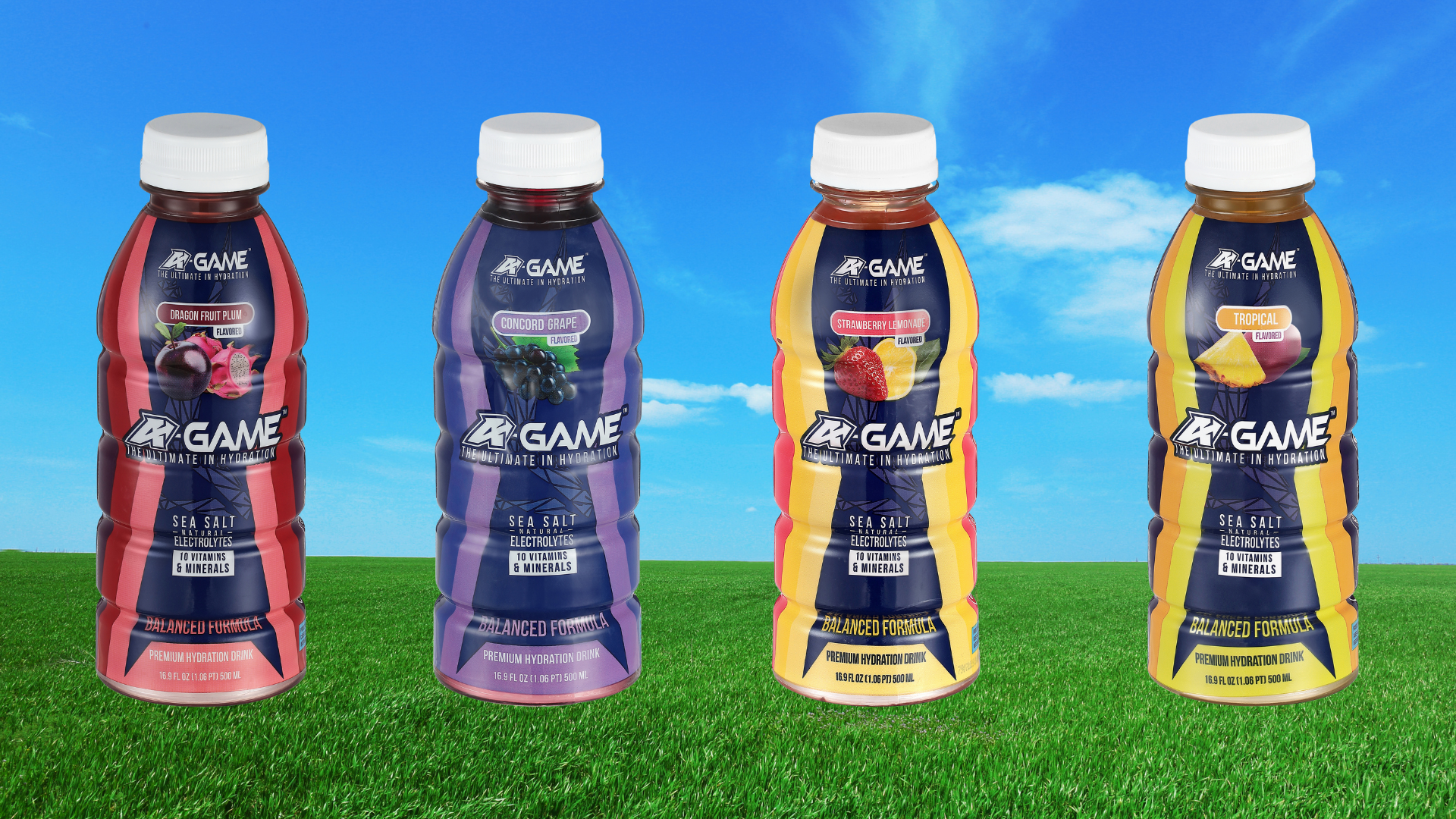
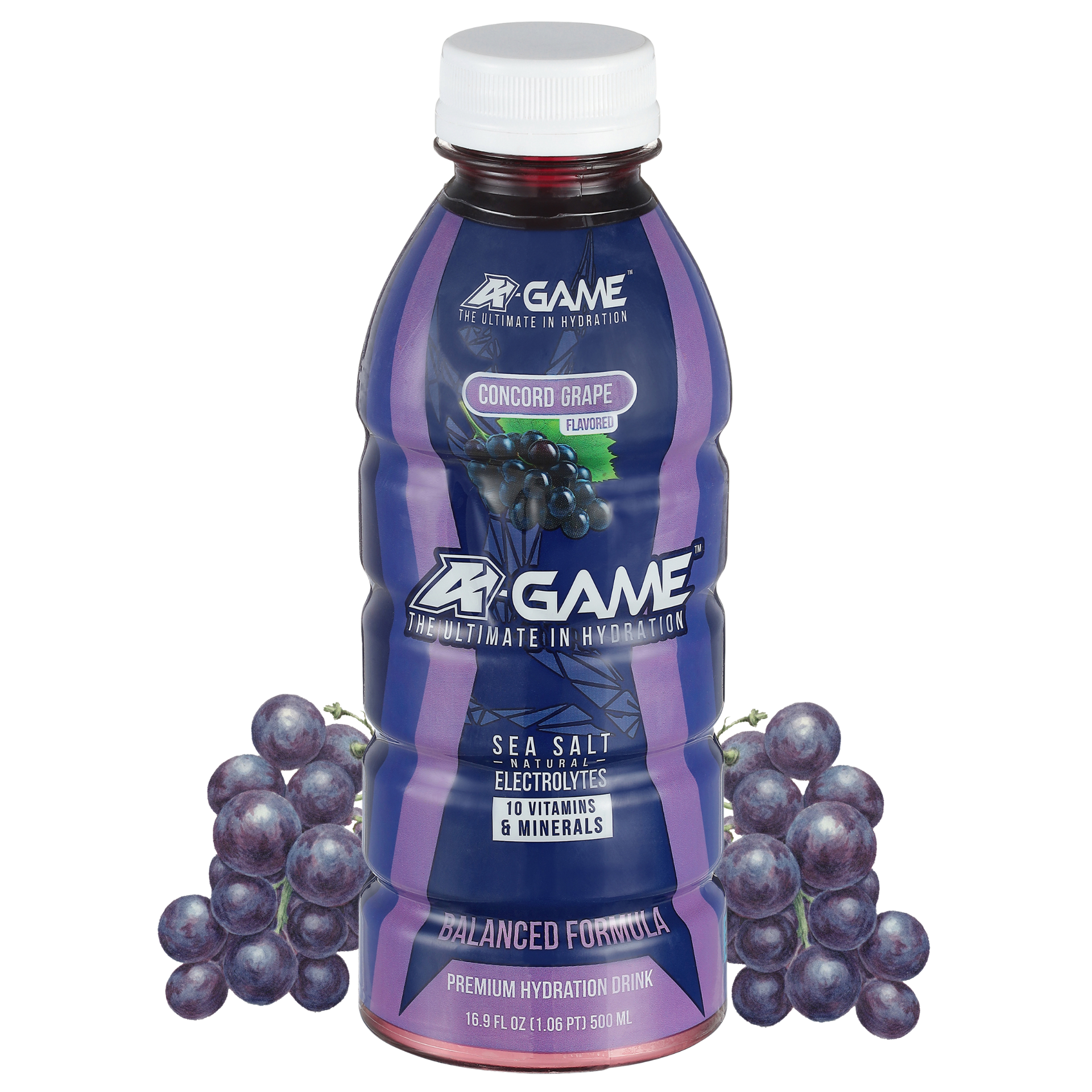
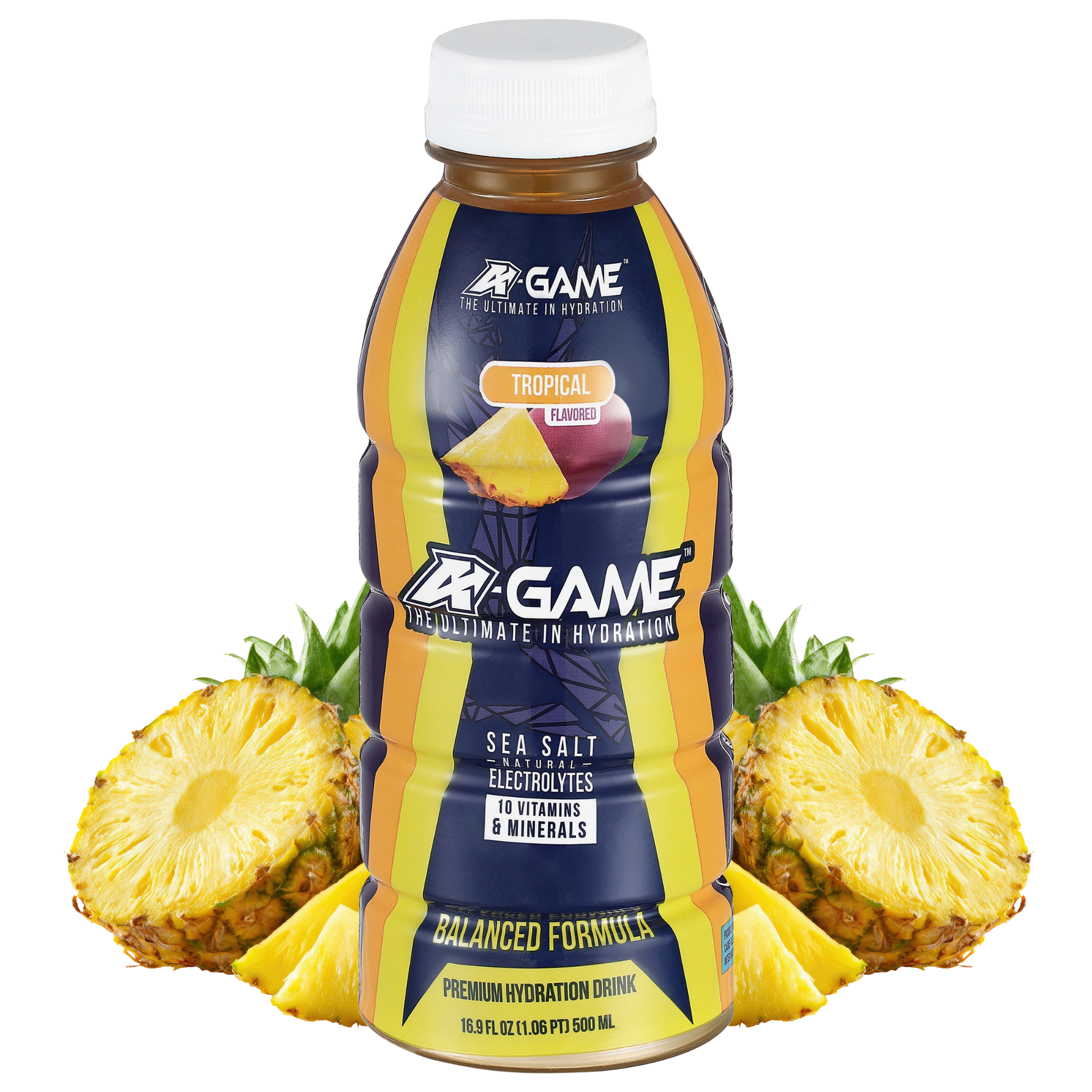
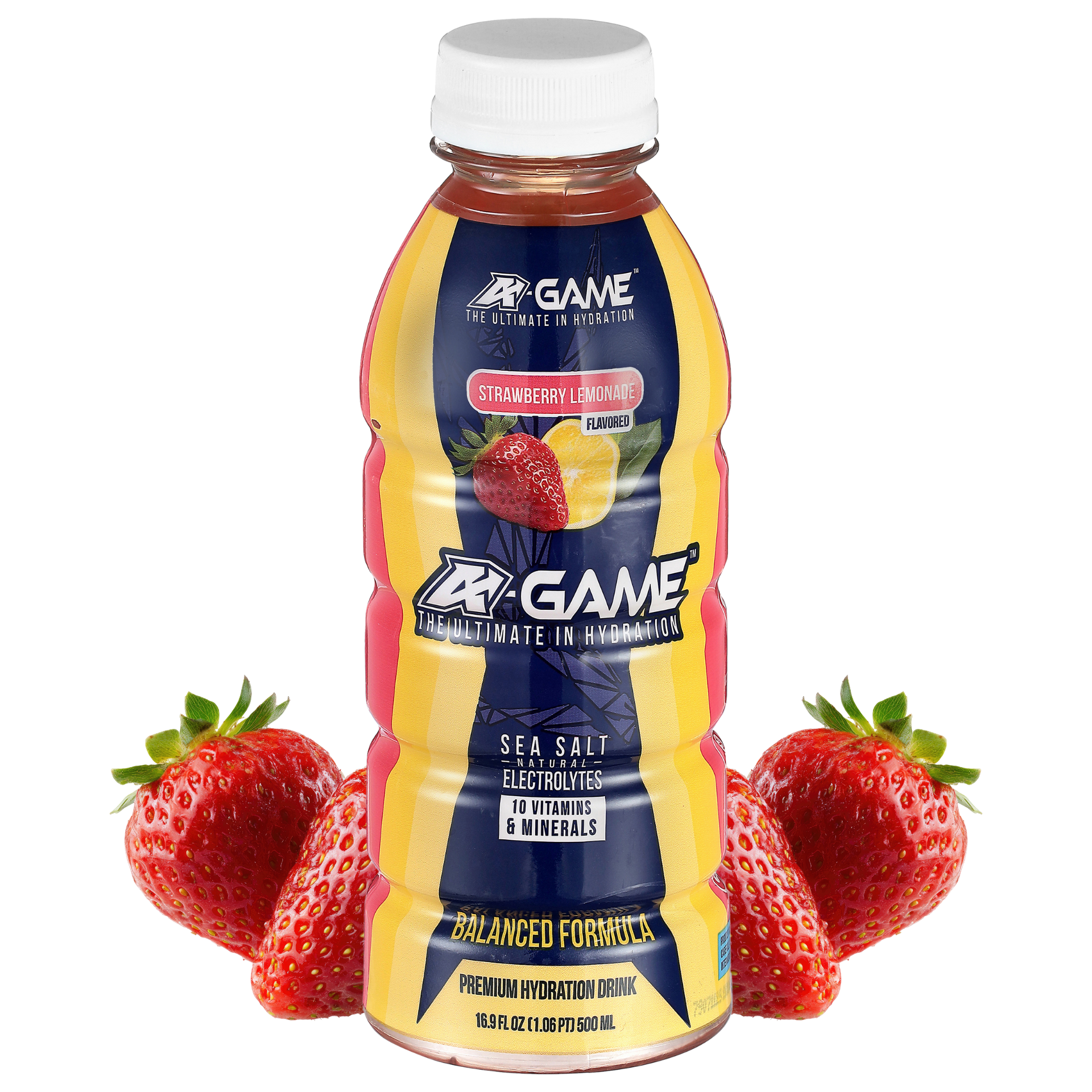
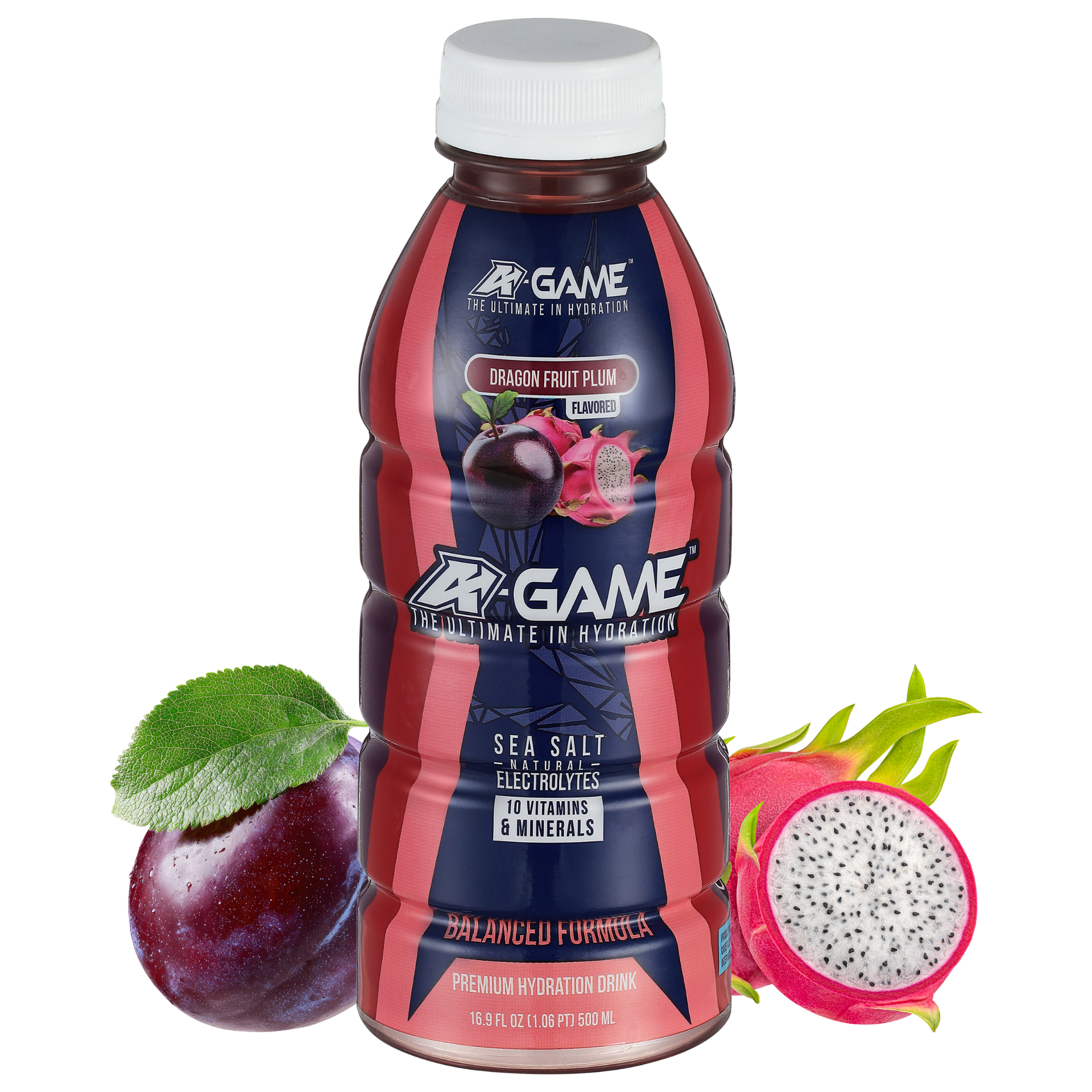
Where A-GAME fits: A-GAME gives crews a way to get electrolytes without turning the day into a sugar marathon. A-GAME Zero Sugar is positioned as a sports drink with natural sea salt electrolytes and zero sugar (16 fl oz, 12-pack).
That matters for real crews, where you may have workers managing weight, prediabetes, or simply trying not to feel exhausted at 2:30 pm.
How Do Popular Sports Drinks Stack Up for Outdoor Work?
The best sports drink comparison for landscaping comes down to three practical factors: sugar, electrolyte source, and cost per serving.
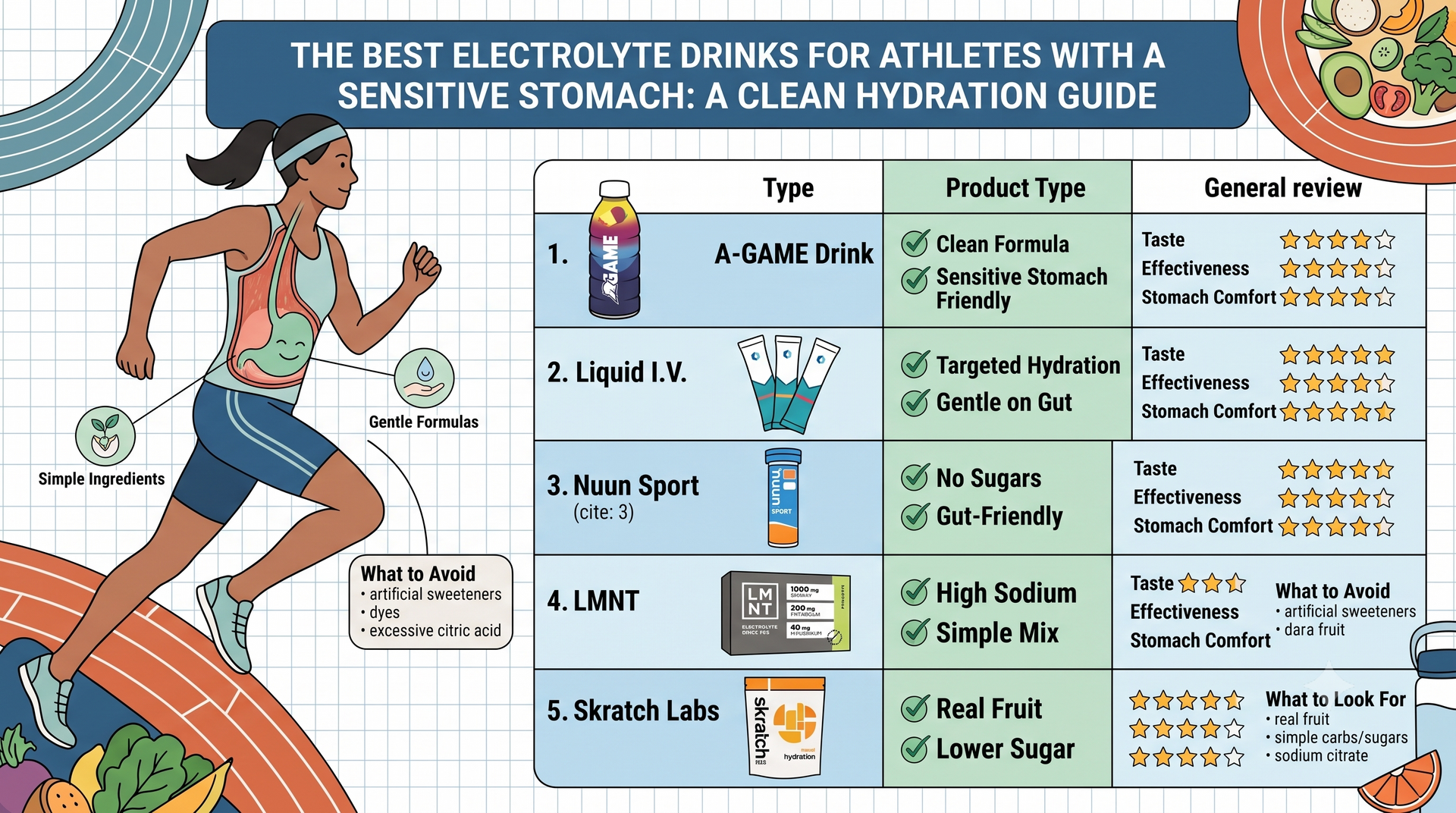
Here’s a quick look at how A-GAME compares to the drinks most crews reach for. Notice how sugar, electrolytes, and cost can make a real difference when you’re working long hours outside.
Brand comparison: sugar, electrolytes, and cost per serving
A-GAME Zero Sugar
- Sugar (per serving): 0 g
- Electrolyte source: Natural sea salt electrolytes
- Cost per serving (case price): ~$2.67 (12-pack)
Water (bottled)
- Sugar (per serving): 0 g
- Electrolyte source: None added
- Cost per serving (case price): ~$0.14 (40-pack)
Gatorade (20 oz)
- Sugar (per serving): 34 g
- Electrolyte source: Salt + sodium citrate + potassium phosphate
- Cost per serving (case price): ~$0.92 (12-pack)
Liquid I.V. (1 stick)
- Sugar (per serving): 11 g
- Electrolyte source: Salt + potassium citrate + sodium citrate
- Cost per serving (case price): ~$1.46 (15-pack)
Plain-English takeaway: Water is essential, but it does not replace electrolytes during long, sweaty shifts. Gatorade is cost-effective, but sugar consumption rises quickly if it becomes the default drink. Liquid I.V. is high in electrolytes but still contains added sugars.
A-GAME Zero Sugar is the clearest “electrolytes without sugar” option in this lineup, which is precisely what many crews need when hydration has to work all day, not just for 30 minutes.
Which Drink Is Right for Your Crew?
The right choice depends on crew size, heat intensity, sweat rate, and health needs, so the smartest plan uses a simple mix rather than one magic bottle. Here are scenario-based mini-guides you can actually use.
For a 3-person crew on a moderate day (75 to 85°F, mixed sun and shade):
Water should do most of the work. Add A-GAME Zero Sugar when you hit the “long stretch” of continuous sweating, like mowing multiple properties back-to-back or hauling materials for a few hours. The goal is not to replace every sip of water; it is to prevent the slow slide into cramps and fatigue.
For a 5-person crew in 95°F heat with high humidity:
Plan for structure, not improvisation. OSHA encourages employers to provide cool water and notes that if people are working for two hours or more in the heat, they should also provide access to fluids that contain electrolytes.
Use water as the base, then schedule electrolytes. A practical approach is one A-GAME Zero Sugar mid-morning and one mid-afternoon, with water in between and a salty snack at lunch.
For a 10-person crew doing heavy work (concrete, roofing support, demo, or sustained lifting):
Use a “hydration station” system rather than handing out random bottles. Stock water for constant sipping, plus a clearly labeled electrolyte option. This is where A-GAME fits well because it supports electrolyte replacement without pushing the whole crew into high sugar intake by default.
For health-conscious or at-risk workers (older workers, diabetes, blood pressure concerns):
Avoid a one-size-fits-all rule. Many workers do better with water plus electrolytes without added sugar. That is the cleanest use case for A-GAME Zero Sugar.
For workers with medical conditions related to sodium or fluid balance, follow clinician guidance and your workplace safety plan.
How to mix and match without overthinking it:
- Water for frequency (small amounts often).
- A-GAME Zero Sugar for electrolyte coverage during long sweat periods.
- Food for energy (sandwich, fruit, salty snacks) so drinks do not have to carry the calorie load.
This approach is also budget-realistic: you are not replacing water with premium drinks. You are using an electrolyte drink for outdoor work where it actually pays off: fewer slowdowns, fewer “I feel off” moments, and fewer heat-related close calls.
What’s the Smartest Way to Keep Everyone Hydrated?
The smartest hydration plan is simple: drink small amounts frequently, add electrolytes for long sweat periods, and build breaks into the workflow. The biggest hydration failures on crews usually come from these patterns: waiting until thirst hits, chugging a large bottle at once, and trying to “catch up” after lunch.
A simple job site hydration schedule (crew-friendly):
- Every 15 to 20 minutes: about 8 oz (1 cup) of water.
- If sweating lasts for several hours: add a sports drink with balanced electrolytes.
- Do not overdo it: OSHA notes guidance that intake should generally not exceed about 48 oz per hour.
How to set up hydration stations (fast, not fancy):
- One cooler = water only. Make it the default. Ice it. Refill it. Put it in the same place every stop.
- One cooler or crate = electrolyte option. Label it clearly so workers do not guess.
- Add a “salt and fuel” bin. Pretzels, salted nuts, crackers, fruit, or granola bars. This improves compliance because people feel better faster.
- Build hydration into transitions. Before mowing, before loading, before mixing, before climbing, quick sip break. This removes the “I’ll do it later” problem.
Safety reminders crews actually remember:
- “Do not wait for thirst.” Thirst can lag behind dehydration.
- “Sip, do not chug.” Short intervals are more effective than large amounts infrequently.
- “Watch the warning signs.” Headache, dizziness, nausea, weakness, irritability, heavy sweating, cramps, confusion.
Common mistakes to correct (without lecturing):
- Mistake: Drinking mostly at lunch.
Fix: Make hydration part of the pace of work, not a break-room event. - Mistake: Only drinking sports drinks.
Fix: Use water as the baseline, then electrolytes strategically. OSHA’s heat guidance supports water first, plus electrolytes for longer heat exposure. - Mistake: Treating energy drinks as hydration.
Fix: Follow heat guidance that discourages high caffeine and high sugar beverages when working in heat.
Ready to Upgrade Your Crew’s Hydration?
Upgrading hydration is one of the simplest ways to improve job site safety and reduce avoidable fatigue. If you want an electrolyte drink for outdoor work that supports steady performance without loading your team with sugar, A-GAME Zero Sugar is built for that use case with natural sea salt electrolytes and zero sugar.
Next steps: request a free A-GAME sample for your crew, download the printable hydration plan, or reach out for a crew quote.