

The Ultimate Hydration Strategy for Volleyball Players: What to Drink and When
Whether you’re spiking at practice or grinding through a weekend tournament,
what you drink can make or break your performance on the volleyball court.
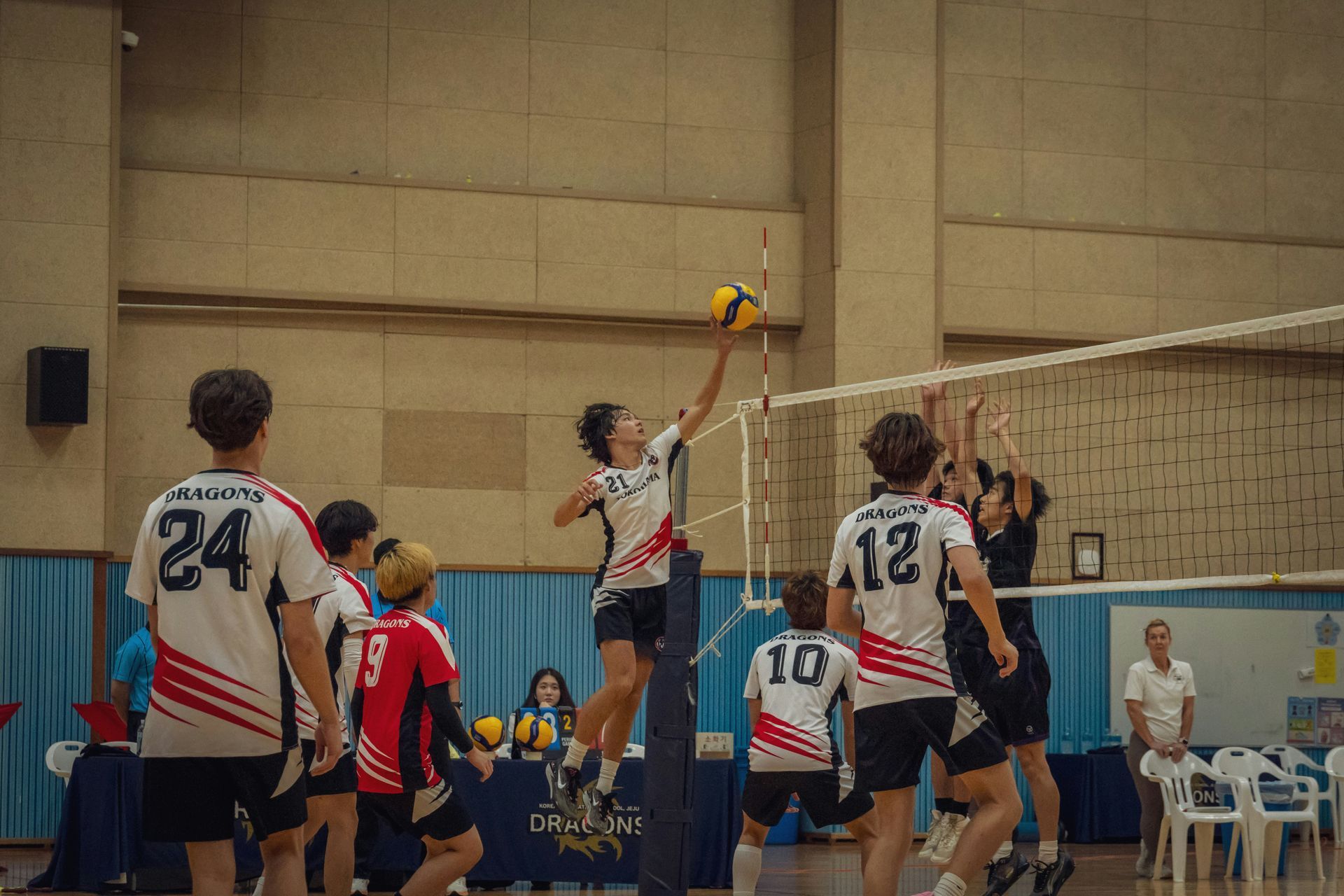
Volleyball is sneaky: you’re not running nonstop like soccer, but you’re repeatedly exploding, landing, sweating in a hot gym, and trying to stay sharp through long stretches of stop-and-go play.
In this guide, you’ll learn exactly what your body needs to stay energized, avoid cramps, and recover faster, plus how to choose the best sports drink for volleyball so you get steady energy without the sugar crash.
Let's define what your body really needs during volleyball
Volleyball performance depends on three hydration basics: fluid, electrolytes, and available energy.
Water addresses fluid needs, but it does not replace what you lose in sweat. In a hot gym, a long practice, or a multi-match day, you can lose enough sodium to feel flat, headachy, cramp-prone, or “weirdly tired” even if you’re drinking plenty of water.
That’s where electrolytes come in, especially sodium (the big one for sweat replacement) and potassium (essential for muscle function). For longer or higher-intensity sessions, carbohydrates matter too, as volleyball is repeated-sprint work: quick bursts, jumps, and rapid recovery between points.
The right drink helps you stay consistent from the first serve to the last set.
Bottom line: water is often enough for short sessions, but for longer practices, hot conditions, or tournament days, you’ll usually perform better with a sports drink or electrolyte drink that includes sodium and a sensible amount of carbs.
What makes a sports drink right for volleyball?
The “best sports drink for volleyball” is the one that matches volleyball’s real demands: repeated high-power bursts, mental focus, and often long total time in the gym.
A volleyball-friendly sports drink should do three jobs:
- Replace sweat losses (especially sodium)
- Provide steady energy (carbs when you need them)
- Go down easy (no stomach slosh, no sticky-sweet overload)
Quick-reference ingredient checklist
Use this checklist when you’re comparing labels in the store:
- Electrolytes: includes sodium (key), plus potassium
- Carbs: enough to support longer play, not so much that it feels syrupy
- Sugar profile: avoid mega-sugar formulas for short sessions to help prevent sugar crashes
- Caffeine: generally avoid for most youth and for athletes prone to jitters
- Artificial colors: many athletes prefer to avoid them, especially for frequent use
- Extras that can help: vitamins (support overall nutrition), simple ingredient list, easy-to-mix format
Volleyball is not one-size-fits-all. A middle hitter who sweats heavily in a humid gym may need more electrolytes than a libero in a cooler facility. The best approach is to choose a drink that works for your typical session length, then adjust based on how you feel.
What to avoid (the common “looks athletic, performs badly” traps)
Some drinks create problems that show up mid-match:
- Excess sugar: can spike energy fast, then drop you hard later
- Caffeine-heavy “energy” drinks: can increase jitters, bathroom urgency, and gut issues
- Very low-sodium flavored waters: taste good but may not replace what you’re actually losing
- Overly concentrated mixes: can slow stomach emptying and feel heavy during play
If you’re trying to prevent sugar crashes, focus on balanced electrolytes + reasonable carbs and use food for extra fuel between matches.
Here's how hydration needs change from practice to tournament day
Volleyball hydration should vary by day. The biggest mistake athletes make is treating a 75-minute practice the same as a 6-hour tournament.
Scenario 1: Short practice (60 to 75 minutes)
Goal: stay hydrated without overdoing sugar.
- If the gym is cool and breaks are normal, water is usually enough.
- If the gym is hot, you sweat a lot, or you cramp easily, add a light electrolyte drink or mix electrolytes into water.
Simple plan
- 60 to 90 minutes before: drink water with your normal meal or snack
- During practice: sip water at breaks
- After: water plus a salty snack if you’re a heavy sweater
This approach keeps you hydrated without turning every practice into a high-sugar day.
Scenario 2: Long practice (90 minutes or intense conditioning)
Goal: replace electrolytes and support repeated bursts.
This is where many players feel the difference between plain water and something more complete.
Simple plan
- Before: water, plus a small snack with carbs
- During: alternate water with an electrolyte drink or a sports drink that is not overly sugary
- After: fluids plus food (carbs + protein)
Scenario 3: Tournament day (multiple matches, long gaps, hot gym)
Goal: steady energy and consistent hydration across hours.
Tournament days are where volleyball hydration becomes a performance tool. You’re not just hydrating for one match, you’re managing output across the whole day. The key is balancing:
- Fluids so you do not fade
- Sodium so you do not cramp or feel drained
- Carbs so you do not bonk between matches
Signs you need more than water
- You get headaches mid-day
- You feel unusually heavy-legged
- You have frequent cramps or twitchy muscles
- Your jersey is crusty with salt or you sweat heavily
- You start strong but fade late in the day
Sample tournament hydration schedule (easy to follow)
Use this as your baseline, then adjust based on sweat and heat:
- 90 minutes before first match: water + light snack
- Warmups: small sips, do not chug
- During match: sip regularly, especially during timeouts and between sets
- Between matches: fluids + salty snack, and carbs if the next match is soon
- End of day: drink enough to feel normal again, then eat a full recovery meal
If your athlete is a teen player, a helpful parent move is to pack “hydration + fuel” together: a bottle plan plus salty snacks and simple carbs.
Why do some drinks cause sugar crashes or cramps?
A sugar crash is not just “feeling tired.” It can show up as heavy legs, slower reaction time, and a sudden drop in focus. Some drinks hit hard with sugar early, then leave you chasing energy later, especially if you’re sipping a high-sugar option all day without enough real food.
Cramps can be more complicated, but a common contributor is an electrolyte imbalance, especially when athletes lose sodium through sweat and only replace fluid. That can leave your body “watered” but not truly rebalanced.
On tournament days, players often report feeling hydrated but still feeling off.
Myth-busting callout:
“Cramps mean you need more water.”
Sometimes. But for many volleyball players, cramps are more likely when you lose a lot of sodium and do not replace it. Water helps.
Electrolytes often help more. For multi-match days, the best strategy is steady energy. Instead of huge sugar hits, aim for consistent hydration and fuel: a balanced sports drink, plus snacks between matches.
How does A-GAME compare to water and traditional sports drinks?
If you’re choosing between water, a classic sports drink, and something designed to support steady performance, it helps to compare what each option does best.
Water is the foundation. But water does not provide electrolytes or energy.
Traditional sports drinks can deliver carbs and electrolytes, but some are high in sugar or include ingredients athletes prefer to avoid.
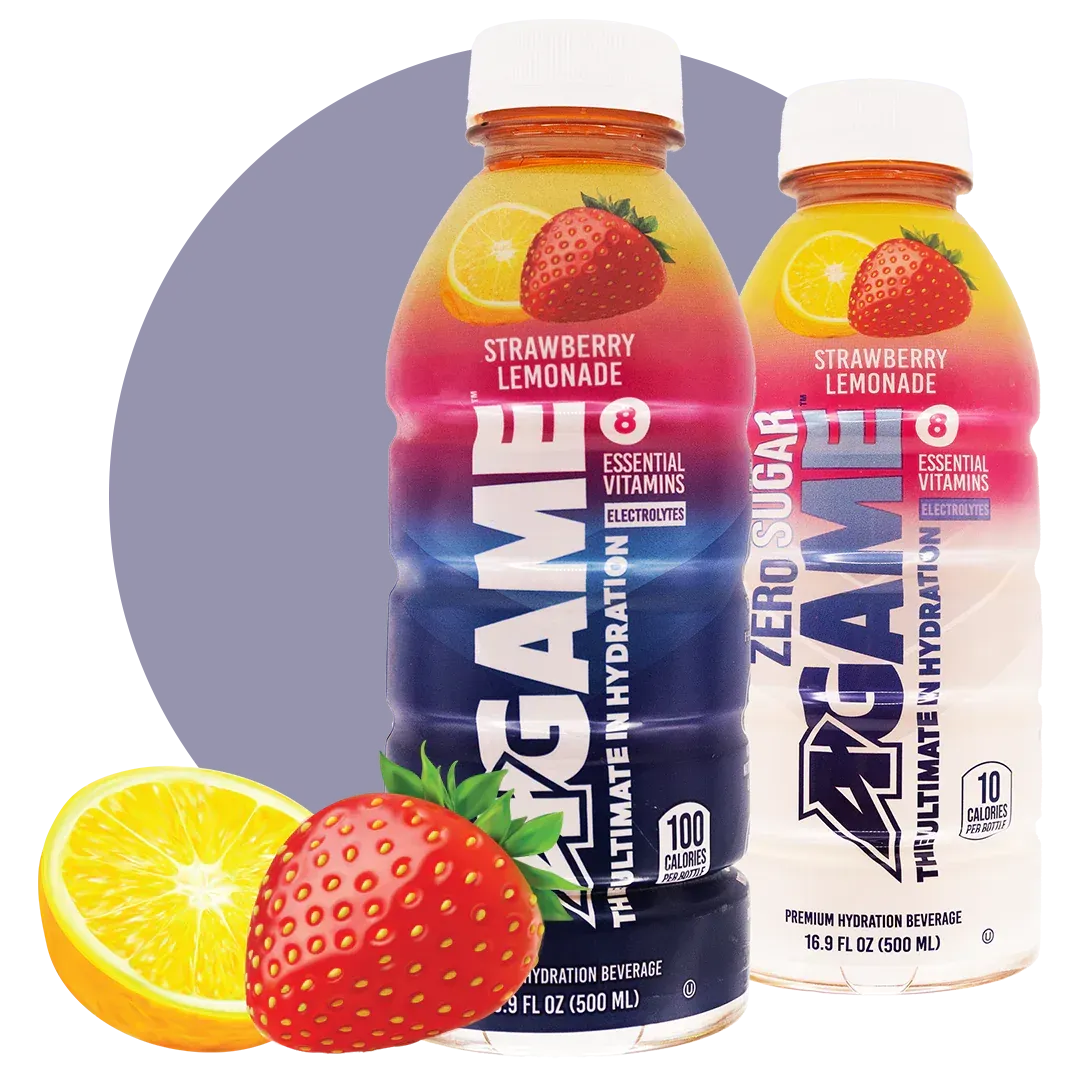
A-GAME positions itself as a smarter option for athletes who want steady energy without the sugar crash, with balanced electrolytes, 8 essential vitamins, and no artificial colors or caffeine.
Comparison table: A-GAME vs. water vs. traditional sports drinks
Hydration (fluids)
- Water: Excellent
- Traditional sports drink (typical): Excellent
- A-GAME sports drink: Excellent
Electrolytes
- Water: None
- Traditional sports drink (typical): Usually yes
- A-GAME sports drink: Balanced electrolytes
Carbs for energy
- Water: None
- Traditional sports drink (typical): Often yes
- A-GAME sports drink: Designed for steady energy support
Sugar crash risk
- Water: Low
- Traditional sports drink (typical): Can be higher if high sugar
- A-GAME sports drink: Lower sugar approach to help prevent crashes
Vitamins
- Water: None
- Traditional sports drink (typical): Varies
- A-GAME sports drink: Includes 8 essential vitamins
Caffeine
- Water: None
- Traditional sports drink (typical): Usually none (varies by product)
- A-GAME sports drink: No caffeine
Artificial colors
- Water: None
- Traditional sports drink (typical): Common in some brands
- A-GAME sports drink: No artificial colors
Best use case
- Water: Short, cool practices
- Traditional sports drink (typical): Long sessions, when carbs are needed
- A-GAME sports drink: Practices and tournament days when you want hydration plus steady energy
What’s the best way to use A-GAME on game day?
A great volleyball hydration plan is boring on purpose. It’s consistent, easy to follow, and repeatable for the whole team.
Below is a practical, step-by-step plan you can use with A-GAME sports drink.
It’s built for youth, high school, and college volleyball players, and it works whether you’re a starter playing six rotations or a role player subbing in and out.
Step-by-step game day plan
1) The night before (for tournament weekends)
- Drink water with dinner.
- Add a salty food if you’re a heavy sweater (soups, salted rice, pretzels).
- Avoid trying a new drink or new supplement the night before.
2) 60 to 90 minutes before match
- Drink water.
- If you have a history of cramps or you know the gym will be hot, start sipping A-GAME here instead of waiting until you feel behind.
3) During warmups
- Small sips only.
- If your stomach feels sloshy, reduce volume but keep sipping.
4) During the match
- Sip consistently during natural breaks: timeouts, between sets, rotations.
- If it’s a longer match, A-GAME can help maintain steady energy and electrolytes without feeling overly sugary.
5) Between matches (tournament days)
Pair A-GAME with quick snacks:
- Salty + carb: pretzels, salted crackers, a sandwich half
- Carb + easy: banana, applesauce, granola bar
- Recovery: yogurt, chocolate milk, or a balanced meal when time allows
6) After the final match
- Finish fluids until you feel normal again.
- Eat a real recovery meal: carbs + protein + salt.
Hot gym or heavy sweater tips
If your athlete is drenched after warmups, treat it like a heat day:
- Start earlier with electrolytes
- Sip more often
- Use salty snacks between matches
- Do not rely on high sugar all day to “feel energy”
Printable hydration schedule
You can copy this into a notes app or print it for the team binder.
VOLLEYBALL HYDRATION PLAN (PRACTICE + GAME DAY)
SHORT PRACTICE (60-75 min)
- Before: Water with snack (30-60 min before)
- During: Water sips at breaks
- After: Water + salty snack if you sweat a lot
LONG PRACTICE (90+ min or intense)
- Before: Water + carb snack
- During: Alternate water and A-GAME
- After: Fluids + meal (carbs + protein)
TOURNAMENT DAY (MULTI-MATCH)
- 90 min before first match: Water + light snack
- Warmups: Small sips (water or A-GAME)
- During match: Sip consistently during breaks
- Between matches: A-GAME + salty snack + carbs
- End of day: Drink until normal, then full recovery meal
CHECKPOINTS
- If you cramp often: Start electrolytes earlier
- If you get sugar crashes: Use lower sugar drink + snacks
- If urine is very dark: Increase fluids
- If stomach feels heavy: Smaller sips, more often
Ready to level up your volleyball performance?
If you want a hydration routine that supports consistent energy, fewer sugar crashes, and better recovery, make your plan simple: water when it’s enough, electrolytes when you need them, and A-GAME on practice and game days where performance matters most.
Try A-GAME sports drink for your next volleyball match and experience the difference in energy and recovery. Shop now or find A-GAME near you.