

Why Top Water Polo Players Are Ditching Sugar: A Hydration Breakdown
A water polo hydration showdown: why athletes are cutting sugar, what electrolytes do, and when to choose
A GAME, classic sports drinks, or zero-sugar options.

Water polo is a hydration trap.
You are in water, so your brain assumes you are “fine.”
Meanwhile, you are sprinting, grappling, treading, and
soaking up heat on a humid pool deck.
Research on elite water polo players shows they still lose body mass from fluid loss during training and competition, even in an aquatic setting.
That is why “comparison of sports drinks for water polo” keeps coming up in locker rooms.
Athletes are not just looking for something to sip.
They are looking for a plan.
And lately, many players are making a single major change first.
They are ditching heavy sugar.
Why water polo players are rethinking sugar
Sugar is not automatically “bad.”
Carbohydrates can help performance during long, hard sessions.
But water polo has two realities that make high sugar drinks feel like a gamble.
First, you often drink in bursts rather than steady sips.
A big hit of sweetness can sit heavy,
especially between quarters.
Second, players want hydration that works beyond game day.
If you use the same drink for practice, lifts, school, and travel,
sugar adds up quickly.
Sports nutrition guidance often recommends carbohydrate-electrolyte drinks at 4% to 8% during longer exercise, as concentration affects absorption and comfort.
So players are getting more intentional:
- Use carbs when you need fuel, and go with lower-sugar options when you need clean hydration.
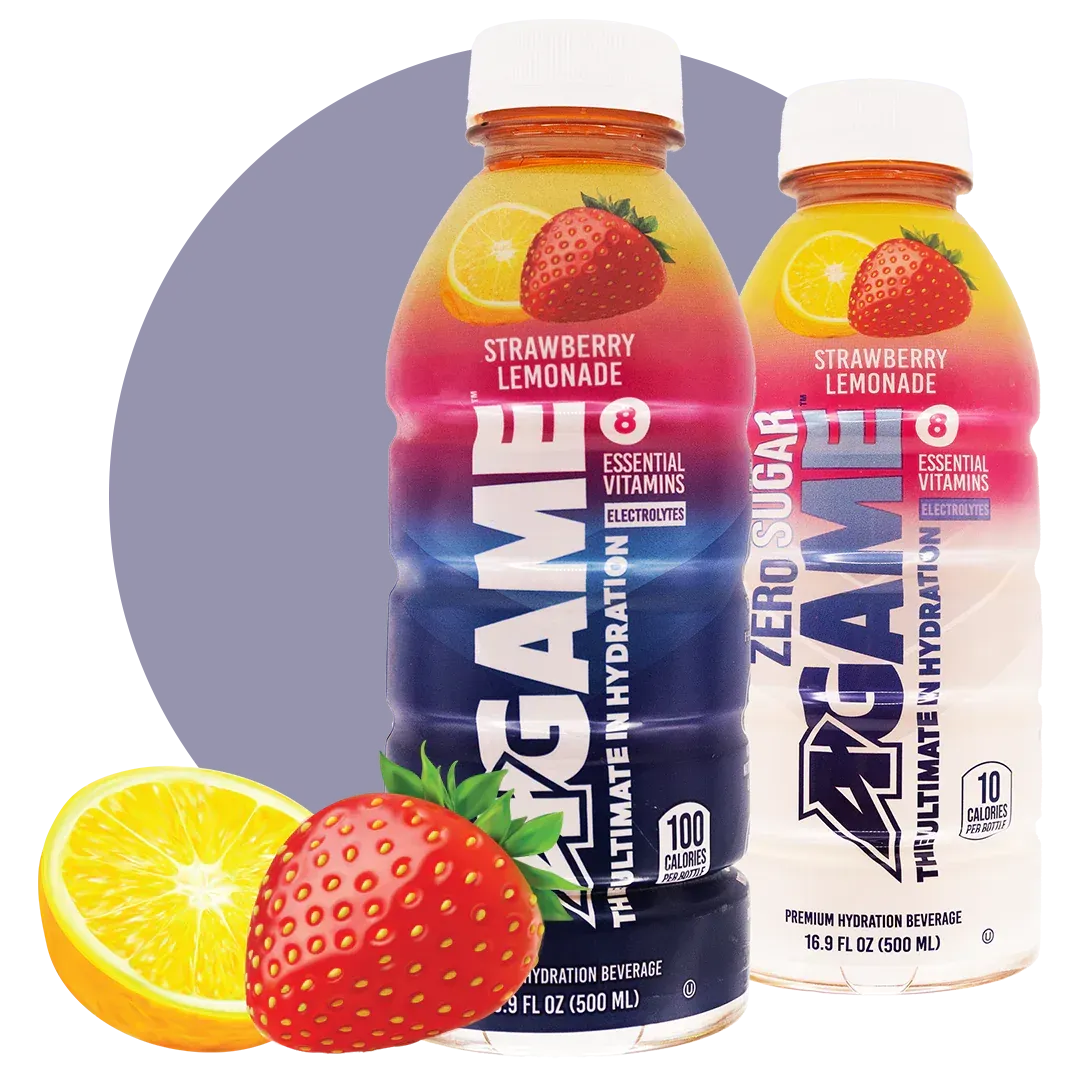
- That is the lane A GAME has leaned into, with both Original and Zero Sugar options available.
The “pool paradox”: You sweat a lot, but you do not feel sweaty
In water polo, sweat does not drip. It disperses.
So athletes underestimate losses and show up underhydrated.
That matters because even moderate hypohydration can impact endurance and decision-making in team sport settings.
There is also a sodium angle.
If you replace long sessions with only plain water, you can dilute blood sodium in specific scenarios, especially if drinking exceeds sweat loss. That is one reason sports medicine sources emphasize matching intake to losses and including sodium when appropriate.
Water polo is not an ultramarathon.
But tournament weekends can lead to extended exposure and repeated bouts.
That is why the smart move is not “more water.”
It is “the right fluid, at the right time.”
Comparison of Sports Drinks for Water Polo: What Matters Most
A good comparison of water polo sports drinks should start with the four variables that actually affect outcomes.
1) Sodium
- Sodium supports fluid retention and helps replace what you lose in sweat.
- It also supports nerve and muscle function during repeated sprint work.
- A GAME Original lists 250 mg of sodium per 16.9 fl oz bottle.
2) Carbohydrate level
- Carbs can fuel performance during longer sessions.
- They can also cause stomach issues if the timing and concentration are off.
- This is where water polo players often choose “less sugar, more targeted fuel.”
- They might get carbs from food between games instead of loading it into every bottle.
3) Palatability and “chug ability”
- You drink when the whistle gives you permission.
- So taste and mouthfeel matter more than runners realize.
A GAME’s founder Johnny Damon put it simply, “A GAME isn’t just about performance… it’s also about great taste.”
4) Ingredients athletes trust
- Many athletes now want “clean label” cues.
- A GAME positions its hydration drink around natural sea salt electrolytes and avoids artificial dyes and artificial sweeteners.
A GAME vs. traditional sports drinks: What is actually different?
Here is the direct, practical comparison most water polo athletes are searching for.
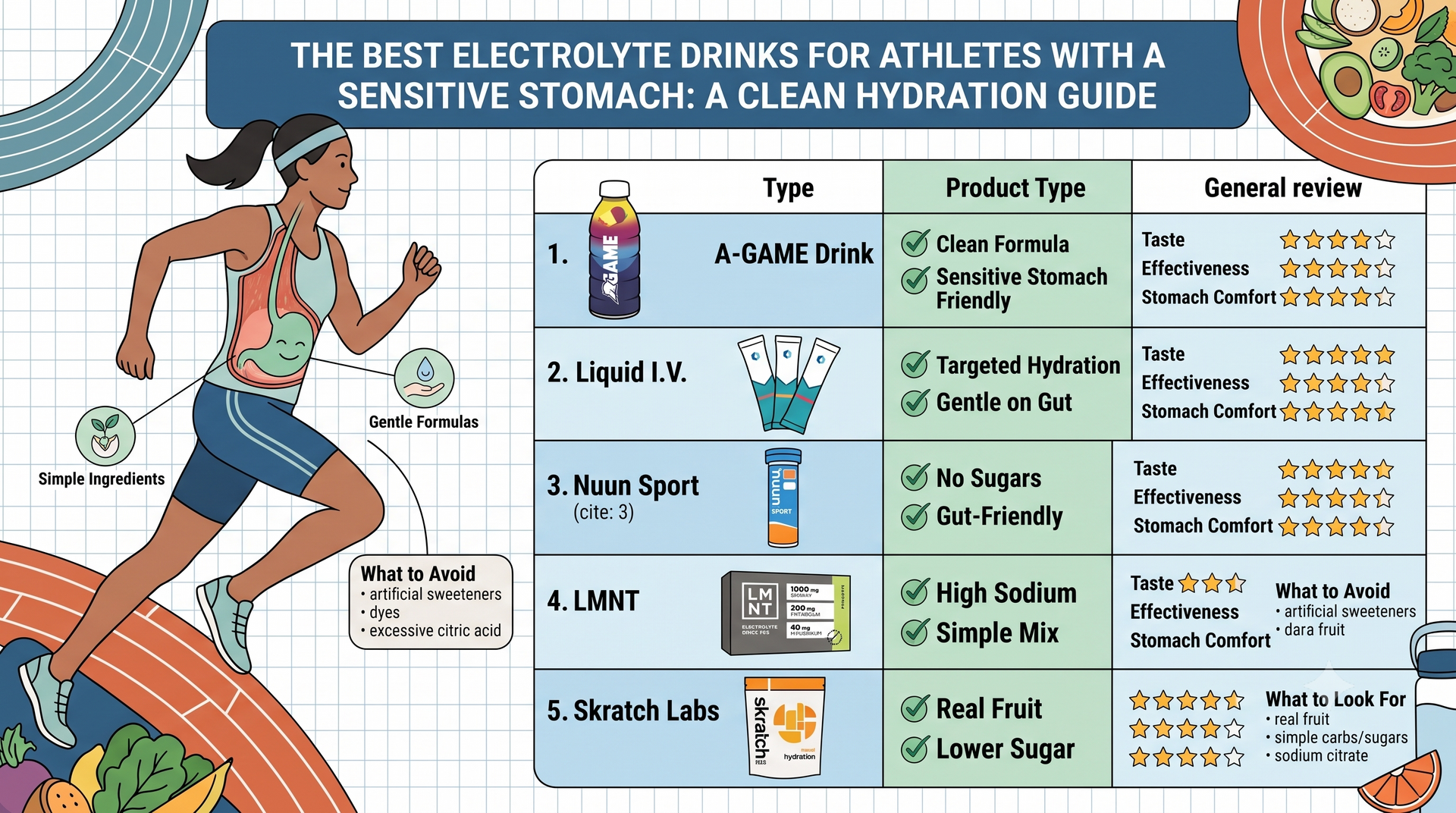
Quick comparison chart for water polo drink options
A GAME Original (16.9 fl oz)
- Sugar and carbs: 21 g total sugars, 21 g added sugars, 22 g carbs, 100 calories
- Sodium focus: 250 mg sodium, 160 mg potassium
- Best for water polo: Games, hard practices, tournaments when you want carbs plus electrolytes
- Watch outs: If you are cutting sugar day to day, this is more of a “performance window” drink
A GAME Zero Sugar
- Sugar and carbs: Zero sugar positioning, low calorie (varies by flavor)
- Sodium focus: Sea salt electrolyte positioning
- Best for water polo: Daily hydration, lighter practices, lifts, between game hydration when you eat carbs separately
- Watch outs: Make sure you still fuel with food on long days
Classic sports drinks (Gatorade, Powerade style)
- Sugar and carbs: Typically moderate to high sugar depending on SKU
- Sodium focus: Typically moderate sodium
- Best for water polo: Widely available, easy for teams, solid baseline for games
- Watch outs: Can feel overly sweet when chugged between quarters
Electrolyte waters and tablets
- Sugar and carbs: Often very low sugar
- Sodium focus: Sodium varies widely by brand
- Best for water polo: Useful when you want low sugar and you can tune sodium
- Watch outs: Some are basically flavored water, check the label
Plain water
- Sugar and carbs: No sugar
- Sodium focus: No sodium
- Best for water polo: Short sessions, background hydration
- Watch outs: Not ideal as the only strategy for long, sweaty sessions
Two takeaways jump out.
- If you want “clean hydration” most of the week, zero-sugar styles are easier to live with.
- If you want fuel inside the bottle on game day, carbs can still be helpful.
A GAME gives you both lanes, which is part of why it fits different roster roles.
The sugar question, honestly
Some players do better with carbs in the drink. Especially on tournament days when eating is chaotic.
Other players prefer a lower sugar approach and fuel with food. That is common in water polo because breaks are predictable and snacks are easy to stage.
The real skill is matching the drink to the session. Not picking one bottle forever.
Why sugar can backfire mid-match
Water polo intensity is spiky. You go from explosive to waiting to explosive again. When you add a big sugar hit on top of that, a few things can happen.
You can feel sloshy if you drink quickly. You may experience taste fatigue, where sweetness becomes hard to tolerate later. And if you are drinking sugary beverages all day, not just during matches, it becomes a lifestyle calorie load that many athletes do not want.
Sports nutrition guidance supports using carbohydrate electrolyte beverages strategically during longer, intense efforts, rather than treating them as an all-day hydration default.
So the trend you are seeing makes sense. Players are not “anti-carb.” They are “pro timing.”
When A GAME makes sense for water polo athletes
Think in scenarios, not marketing.
Hard practice (60 to 90 minutes)
If the set is brutal and you struggle to keep intensity late, A GAME Original can fit.
Its label shows 22 g carbohydrate and 250 mg sodium per bottle.
Tournament days
If you have multiple games and limited real meals, bottled carbs can help bridge the gap.
This is also where taste matters most, because you are repeatedly sipping under stress.
Daily hydration and lifts
This is where many athletes prefer lower sugar, especially off-season.
A GAME Zero Sugar aligns with that use case and helps maintain the “hydration habit.”
A simple water polo hydration playbook
Use this as a starting framework....then adjust based on sweat rate, cramps history, and how you feel in late quarters.
Before training
- Drink enough to produce light yellow urine, not clear.
- If you tend to cramp, include sodium in your pre-session plan.
During training
- If the session is longer than an hour and the intensity is high, consider carbohydrates and electrolytes.
- If the session is technical and lower intensity, a zero-sugar electrolyte option is often plenty.
After training
- Replace fluid losses over the next few hours.
- Use food to handle carbs and sodium when you can.
- This approach also helps reduce the risk of overdrinking plain water in a way that dilutes sodium.
FAQs
What is the best sports drink for water polo players?
The best choice depends on session length, heat, and whether you need carbs during play. For games and hard sets, a carb-and-electrolyte drink can help. For daily hydration, many athletes prefer lower sugar electrolyte options.
Do water polo players really get dehydrated in the pool?
Yes. Studies on elite water polo players show fluid losses and body mass changes that indicate dehydration can occur even in aquatic sports.
Is sugar necessary during a water polo match?
Not always, but it can help during longer, intense play when glycogen demand is high. Many athletes now time sugar intake around matches and use lower-sugar drinks outside that window.
What electrolytes matter most for water polo?
Sodium is the big one for sweat replacement and fluid retention. Potassium plays a role too, but most athletes lose far more sodium than potassium in sweat.
Can I use only water for water polo?
For short, easy sessions, yes. For long or intense sessions, water alone may not replace sodium losses, and in some situations, excessive water intake can contribute to low blood sodium.
Is A GAME good for water polo?
A GAME can fit well because it offers both an Original option with carbs plus electrolytes and a Zero Sugar option for daily hydration. The Original label lists 250 mg of sodium and 22 g of carbs per bottle.
What should I drink between games at tournaments?
Aim for electrolyte replacement plus fluids, then add carbohydrates from food when possible. If you struggle to eat, a carb-containing sports drink can be a helpful bridge.
The bottom line: Ditch sugar, or ditch mindless sugar
The shift is not about banning carbs. It is about using them on purpose.
Water polo players want hydration that matches their reality: humid air, frequent drinking, and repeated high-output.
That is why “comparison of sports drinks for water polo” is becoming a
discussion about sugar timing.
If you want one clean approach, start here:
- Use a lower-sugar hydration option for daily use.
- Use carbohydrates and electrolytes when the session requires them.
That is exactly where A GAME fits: both Original and Zero Sugar options are built around sea-salt electrolyte positioning and athlete-first performance messaging.