

What to Drink for Dance: A Hydration Guide for Class, Rehearsal, and Performance
Hydrate smarter, stay light on your feet, and keep your energy and focus steady from warm-up to final bow—
with dancer-ready fuel that moves as fast as you do.
Why Does Hydration Matter So Much for Dancers?
Dance requires your body to be both athletic and precise. You’re jumping, turning, sprinting across the floor, holding shapes under fatigue, and trying to look effortless while doing it. Hydration affects all of that: muscular endurance, joint comfort, coordination, and how quickly you can recover between combinations.
Sweat loss can be bigger than people expect, especially during long rehearsals, crowded studios, or performances under stage lights. When you lose fluid, you also lose electrolytes like sodium and potassium. That combo is what can make you feel sluggish, cramped, or mentally foggy, even if you “only” missed a little water.
Even mild dehydration can show up as: fatigue that hits earlier than usual, calf or foot cramps, a heavy feeling in your legs, slower reaction time in choreography, and difficulty focusing during corrections. Hydration for dancers is not a luxury. It’s part of your technique, your stamina, and your consistency.
What Should You Drink Before, During, and After Dance Practice?
If you want one simple rule: match your drink to your session. A 45-minute ballet class is different from a 3-hour tech rehearsal with quick changes and heat from costumes.
Before class or rehearsal (60 to 90 minutes prior)
Best choice:
Water, plus a light snack if you need it.
Aim for a steady start, not a last-minute chug.
- Drink: 8 to 16 oz of water in the hour before dance.
- If you’re low on fuel: add a small carb snack (banana, toast, applesauce, a few crackers).
- If you sweat a lot or the studio is hot: consider a light electrolyte drink in the 30 to 60 minutes before you start.
Why it works: Starting hydrated supports cleaner movement and steadier energy from your first plié to your final run.
During practice
Best choice depends on session length and intensity:
- Under 60 to 75 minutes: Water is usually enough.
- 75 to 120+ minutes, or high sweat days: Water plus a light electrolyte drink.
- Long rehearsals with repeated run-throughs: a drink that supports hydration without feeling heavy.
Featured snippet style guidance:
If your class is under an hour: water.
If your rehearsal is over 90 minutes: water plus electrolytes.
If you’re sweating hard: prioritize sodium and steady sipping.
How to sip (simple timing):
- Take small sips every 10 to 20 minutes, especially between combinations.
- Avoid big gulps right before a jump sequence or partnering section.
After practice (within 30 minutes)
Best choice: Water first, then electrolytes if you were drenched.
- Start with water to replace fluid.
- If you had a long or sweaty session, add an electrolyte drink to help restore what you lost.
- Pair it with real food within 1 to 2 hours: carbs plus protein supports recovery.
Dancer reality check: If you’re in a rush after class, even a quick snack plus a balanced electrolyte drink can help you feel less wiped out at your next practice.
Here’s What Makes a Sports Drink Good (or Bad) for Dance
Not all sports drinks are designed with dancers in mind. Many are built for endurance athletes who want lots of sugar and calories, which can feel like a brick in your stomach when you’re trying to turn, leap, and breathe through choreography.
What dancers should look for
A dancer-friendly electrolyte drink for dance practice usually includes:
- Electrolytes (especially sodium): helps your body retain fluid and supports muscle function.
- Some potassium: complements sodium and supports hydration balance.
- Low to moderate sugar: enough to support energy without a syrupy feel.
- No heavy carbonation: carbonation can increase bloating and discomfort.
What often causes problems
Common issues with “typical” sports drinks:
- Too much sugar can leave you sticky-mouthed, sluggish, or nauseated.
- High-calorie formulas can feel heavy during jumps and floor work.
- Some energy drinks are mistaken for hydration, but caffeine-heavy formulas can cause jitters, GI upset, and dehydration risk.
Quick filter: If it feels thick, overly sweet, or leaves you wanting to rinse your mouth, it’s probably not ideal as your go-to dance hydration option.
How Can You Avoid Feeling Heavy or Bloated While Dancing?
A key concern for dancers is staying hydrated without feeling weighed down. That’s real. Many drinks are designed for long-distance fueling, not for fast, dynamic movement with deep core engagement.
Best ways to stay light while staying hydrated:
- Sip consistently instead of chugging.
- Choose lower-sugar options during class and rehearsal.
- Avoid carbonation before dancing.
- Use electrolytes strategically on long or sweaty days so you don’t overdrink plain water and still feel off.
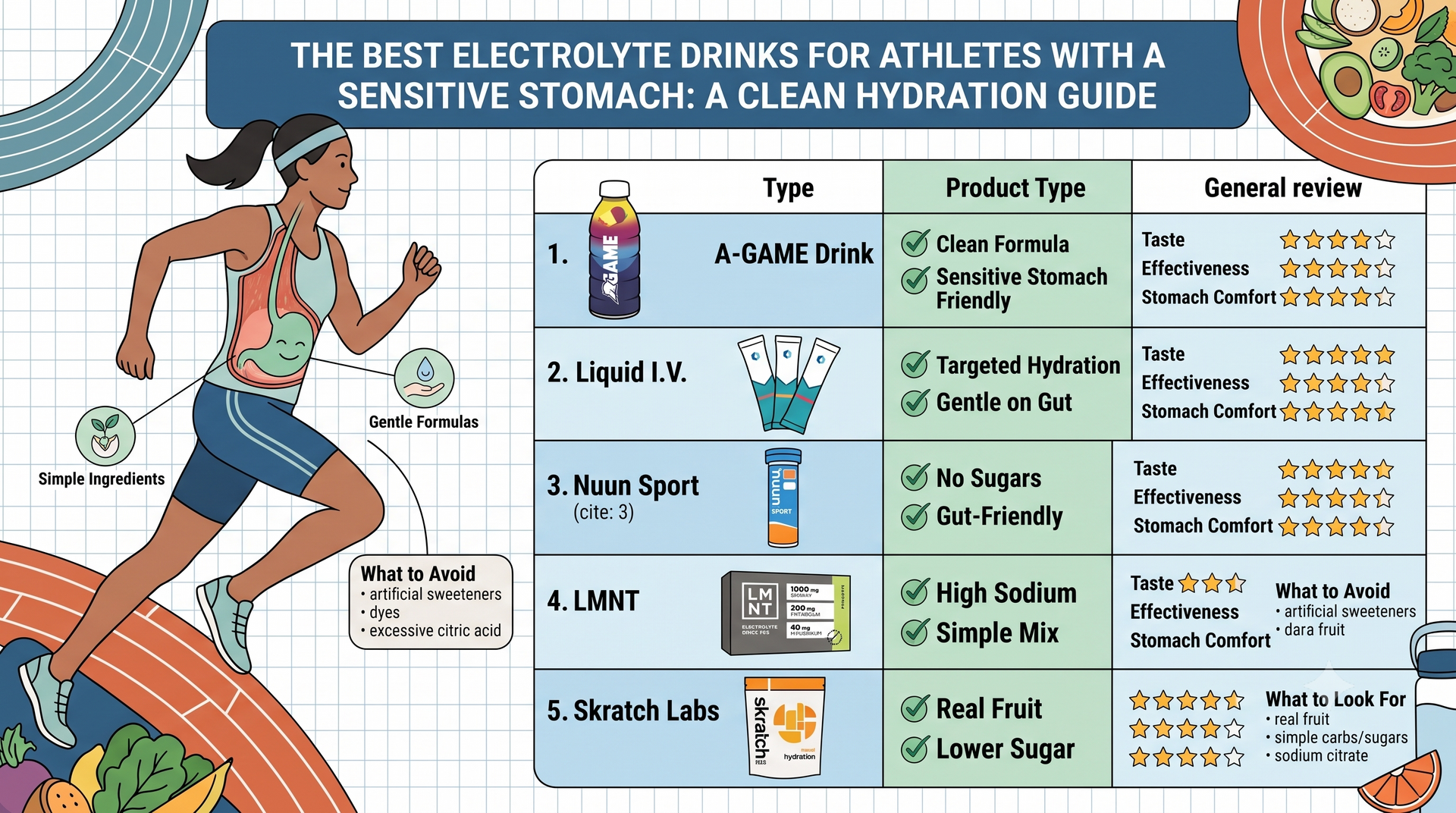
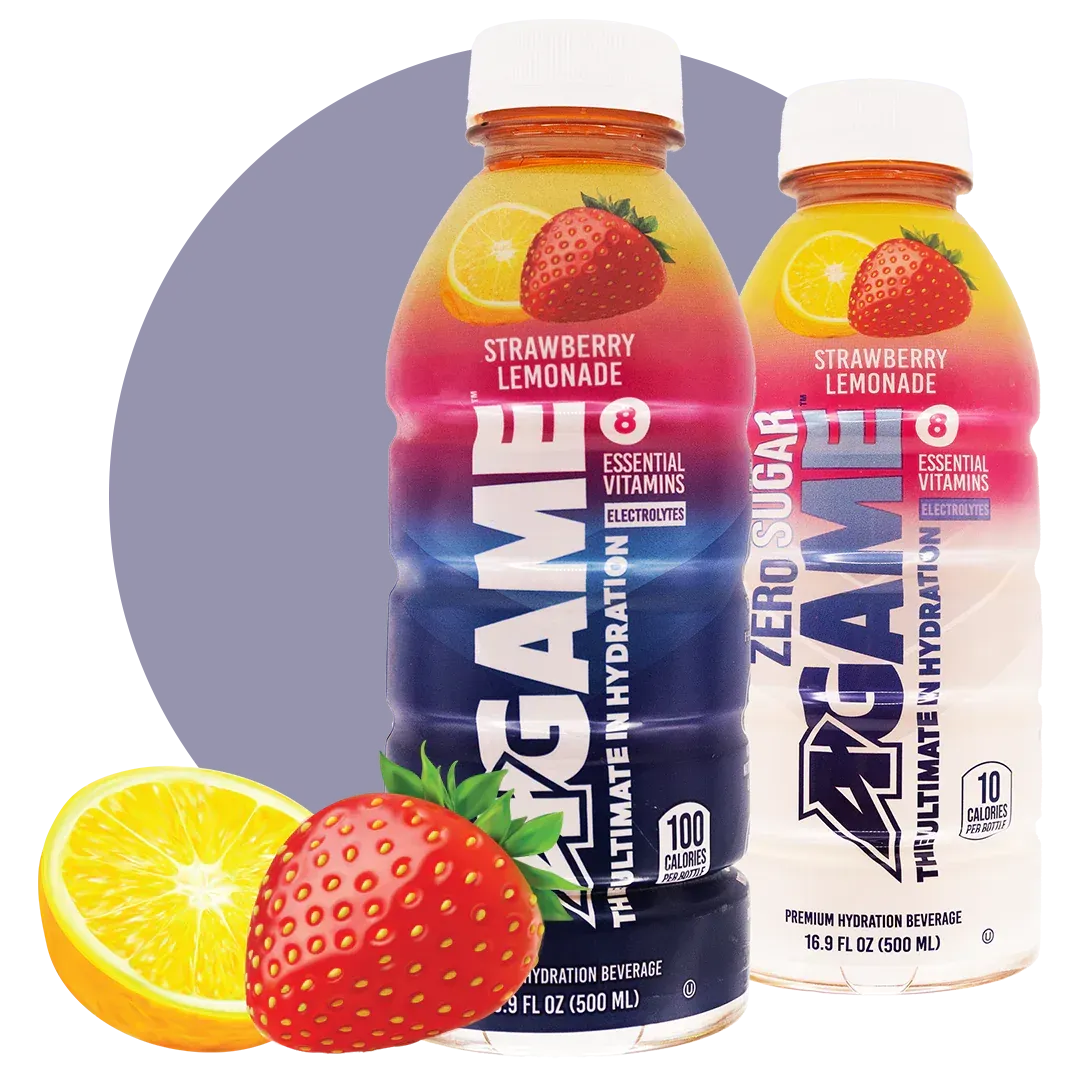
This is where a light, low-sugar sports drink can make a noticeable difference. A-GAME is designed to support hydration and performance without the heavy, syrupy feeling that makes dancers feel sluggish.
What Sets A-GAME Apart for Dancers?
Dancers need a drink that supports performance and recovery while keeping you agile. A-GAME sports drink is positioned for athletes who care about how hydration feels in the body: clean, light, and supportive.
Why dancers like A-GAME:
- Electrolytes for hydration support without adding excess sugar.
- Less sticky mouthfeel than many traditional sports drinks.
- No sugar crash that hits halfway through rehearsal.
- Works for daily classes and scales up for longer rehearsal blocks.
If you’re searching for the best sports drink for dance, the goal is not “maximum calories.” It’s
steady hydration, steady energy, and a light feel so you can stay sharp across combinations, spacing changes, and run-throughs.
Let’s Talk About Choosing the Right Drink for Your Dance Style
Not all dance sessions hit the body the same way. Your best plan depends on intensity, heat, and sweat rate.
Ballet
Ballet classes can be intense: long periods under tension, extensive calf and foot work, repeated jumps, and sustained focus.
Best approach:
- Water for standard class length.
- Add a light electrolyte drink for double classes, pointe, or rehearsal blocks.
Hip-hop and commercial
High power, higher heart rate, more sweat. You may lose electrolytes faster.
Best approach:
- Water plus electrolytes during longer sessions.
- Consider a light electrolyte drink for dance that you can sip without feeling heavy.
Contemporary and modern
Floor work, sustained movement, and breath-driven combos can make bloating feel extra noticeable.
Best approach:
- Smaller sips more often.
- Avoid thick, high-sugar drinks right before intense phases.
Ballroom and Latin
Partnering, costumes, and long rounds can add heat stress. Sweating in layers is real.
Best approach:
- Water pre-session.
- Electrolytes during longer training and performance nights.
Zumba and cardio dance
This is closer to a sweaty conditioning session for many people.
Best approach:
- Water for shorter classes.
- Add electrolytes for longer classes, or if you’re prone to leaving salt on your skin or clothes.
Personalization tip: If A-GAME tastes strong in shorter sessions, dilute it with water to maintain electrolyte benefits while keeping it light.
A-GAME vs. Typical Sports Drinks: Quick Comparison
Use this comparison to make fast choices when you’re packing your dance bag.
Sugar feel
- A-GAME: Light
- Typical full-sugar sports drink: Often sweet or syrupy
- High-electrolyte rehydration drink: Usually low sugar, can taste salty
Electrolytes
- A-GAME: Balanced for performance
- Typical full-sugar sports drink: Moderate
- High-electrolyte rehydration drink: Often higher
Calories
- A-GAME: Lower
- Typical full-sugar sports drink: Often higher
- High-electrolyte rehydration drink: Usually lower to moderate
Best for
- A-GAME: Class, rehearsal, performance
- Typical full-sugar sports drink: Long endurance fueling
- High-electrolyte rehydration drink: Heavy sweat, fast rehydration
Risk of “heavy” feeling
- A-GAME: Lower
- Typical full-sugar sports drink: Higher
- High-electrolyte rehydration drink: Medium (taste can be strong)
Quick pick:
- Daily class: A-GAME or water
- Long rehearsal: A-GAME plus water
- Extreme sweat day: consider a higher-electrolyte option or pair A-GAME with salty snacks
Ready to Fuel Your Next Dance Session?
Hydration is one of the easiest performance upgrades you can make. When you match your drink to your dance day, you stay lighter on your feet, more focused in combinations, and more resilient across rehearsals and performances. If you want a dancer-friendly option that supports hydration without the heavy feel, A-GAME is built for that moment when you need to stay sharp, not sticky.
Ready to feel lighter, stronger, and more focused in class? Try A-GAME today and discover the difference the right hydration can make.
A-GAME product page and dancer offer
Shop now and apply a dancer discount code at checkout.
Discount code: DANCE10
FAQ: Dance Hydration Tips
Can I drink A-GAME if I’m under 18?
In general, electrolyte drinks are commonly used by teen athletes, but every product has its own ingredients and guidelines.
If you are under 18, check the label and ask a parent, coach, or healthcare professional if you have any medical concerns.
Is A-GAME safe for daily use?
Many dancers use electrolyte drinks as part of their daily training, especially during intensive rehearsal periods. The best approach is to use it based on sweat and session length, and to keep water as your baseline.
Do I need a sports drink for a short dance class?
Usually no.
For classes under about 60 to 75 minutes, water is often enough. Use an electrolyte drink for dance when sessions are longer, hotter, or sweatier.
What if sports drinks upset my stomach?
Try a
lower-sugar option, sip more gradually, and avoid carbonation. You can also dilute your drink with water and test what feels best during lighter sessions before using it in performance week.
How do I know if I’m a heavy sweater?
Clues include salt marks on clothes, stinging eyes from sweat, frequent cramps, or feeling drained after long rehearsals even when you drank water. Those dancers often benefit most from electrolytes, especially sodium.
Should I drink electrolytes during performances?
If you’re doing multiple numbers, quick changes, or a long show, small sips of water plus an electrolyte option during longer breaks can help. Keep it light so you don’t feel sloshy on stage.